
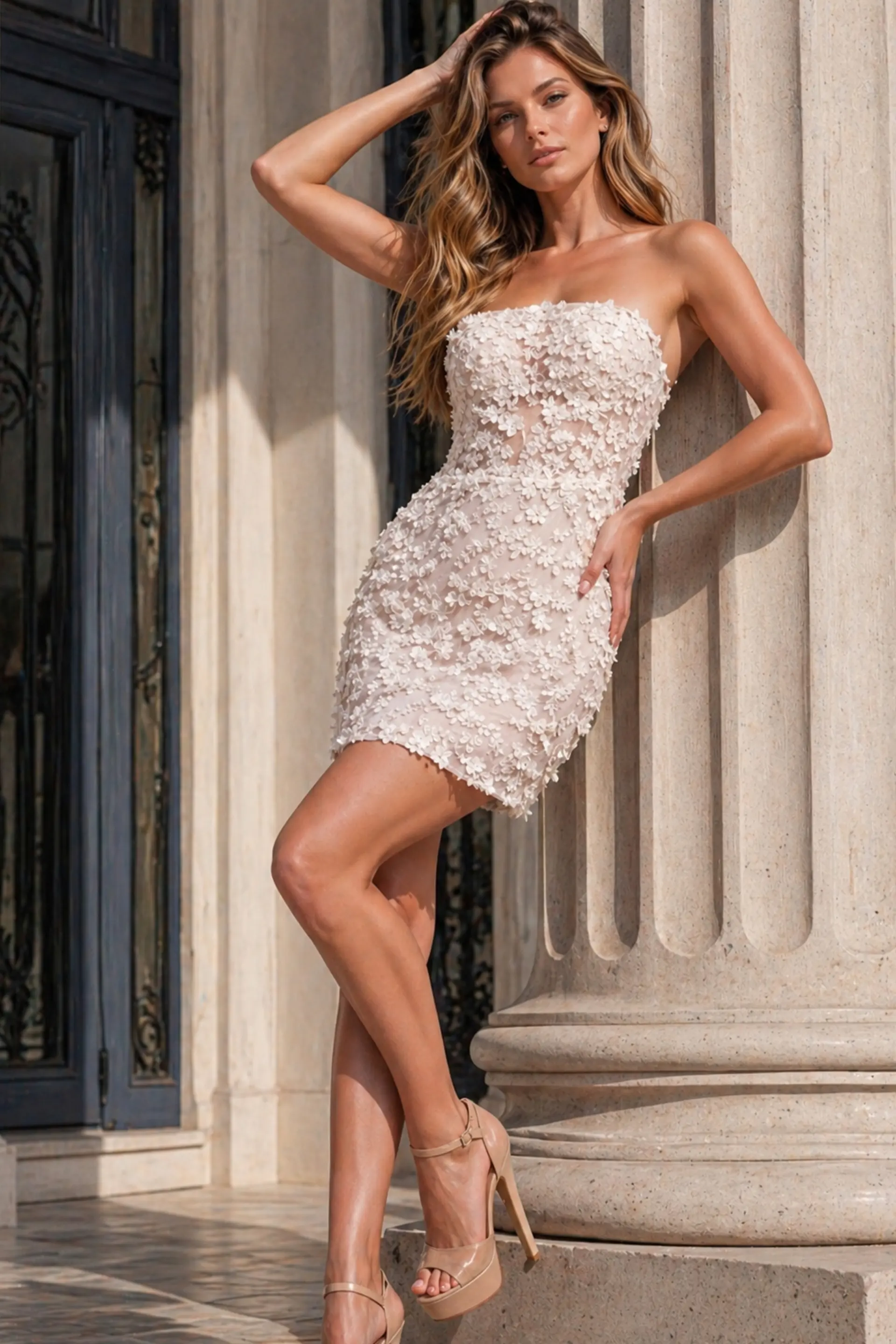
1 Colors
Cake Cutting Dresses
Cake cutting dresses give brides a defined second look for the point in the celebration when formal portraits and dinner give way to cake, cocktails, and more movement. Jovani styles range from sculpted white minis and fitted midis to lace, floral appliqué, beaded, sequin, and feather-detailed designs. Compared with a ceremony gown, the proportions are often lighter and easier to move in, while secure bodices, shaped waists, and polished finishes keep the look distinctly bridal. Brides considering a broader second-look wardrobe can also compare Little White Dresses for additional short and midi options.
Products
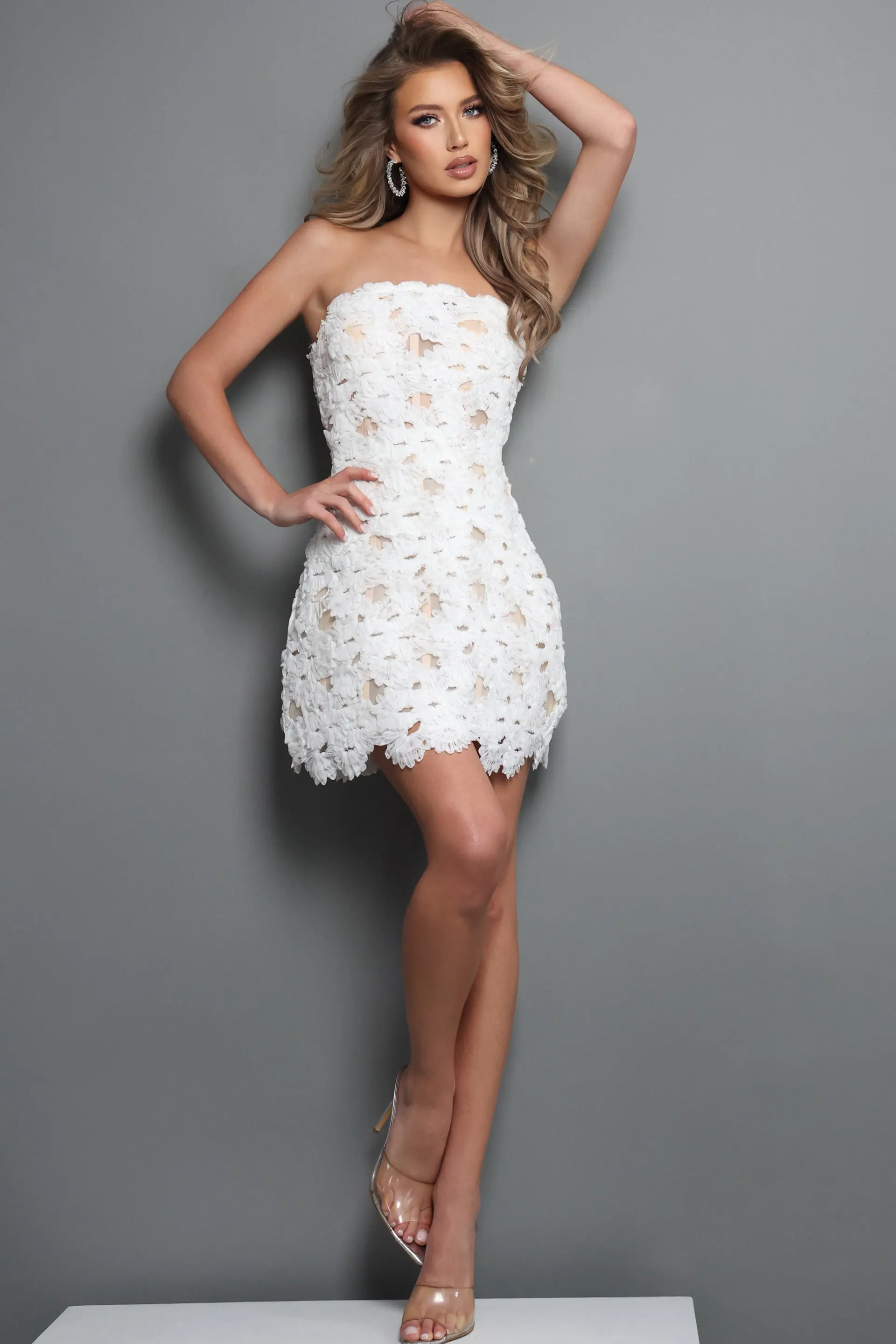
3 Colors
White Lace Strapless Mini Dress 52073
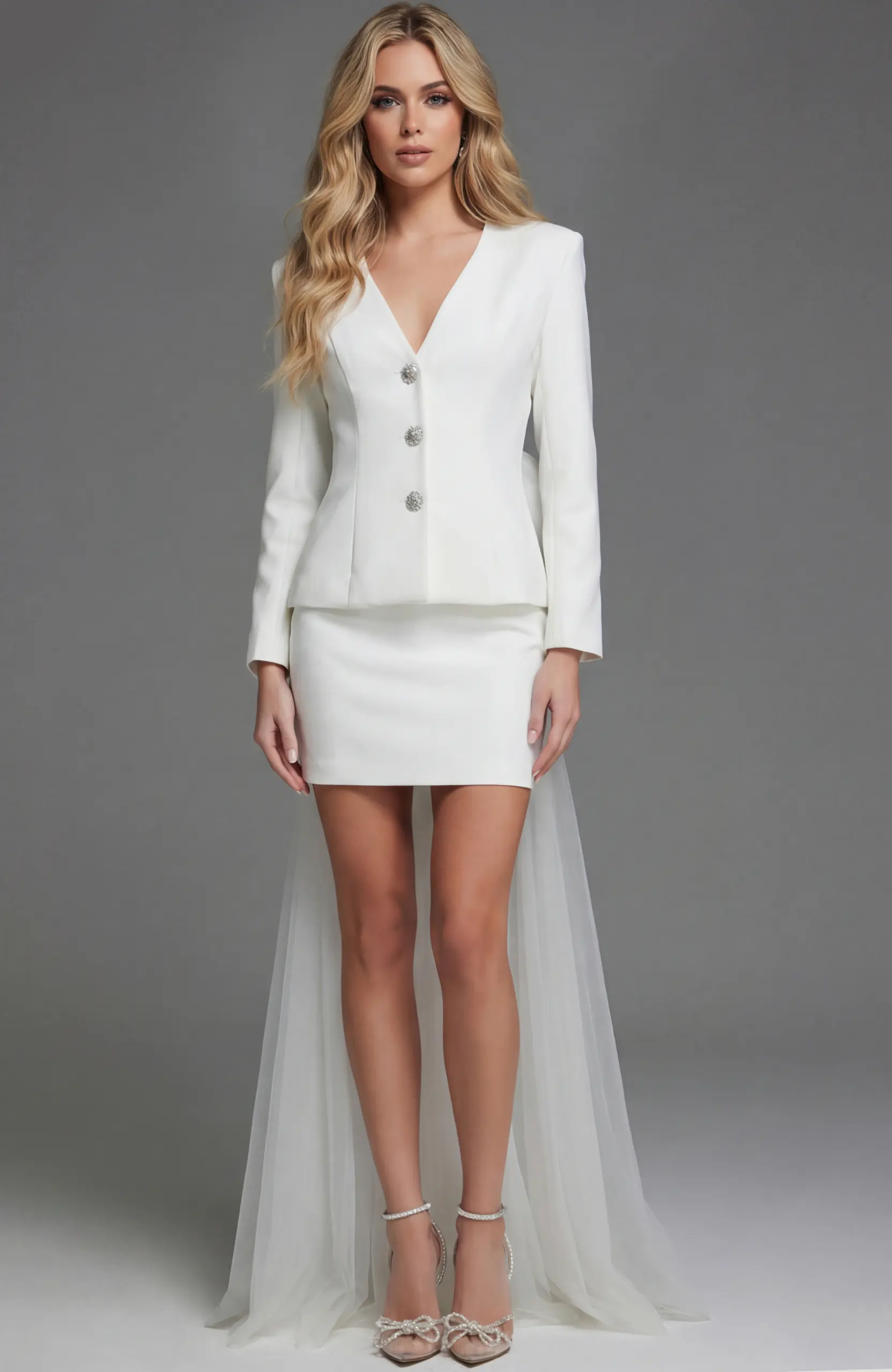
2 Colors
Bridal White Two Piece Skirt and Blazer Set 38084
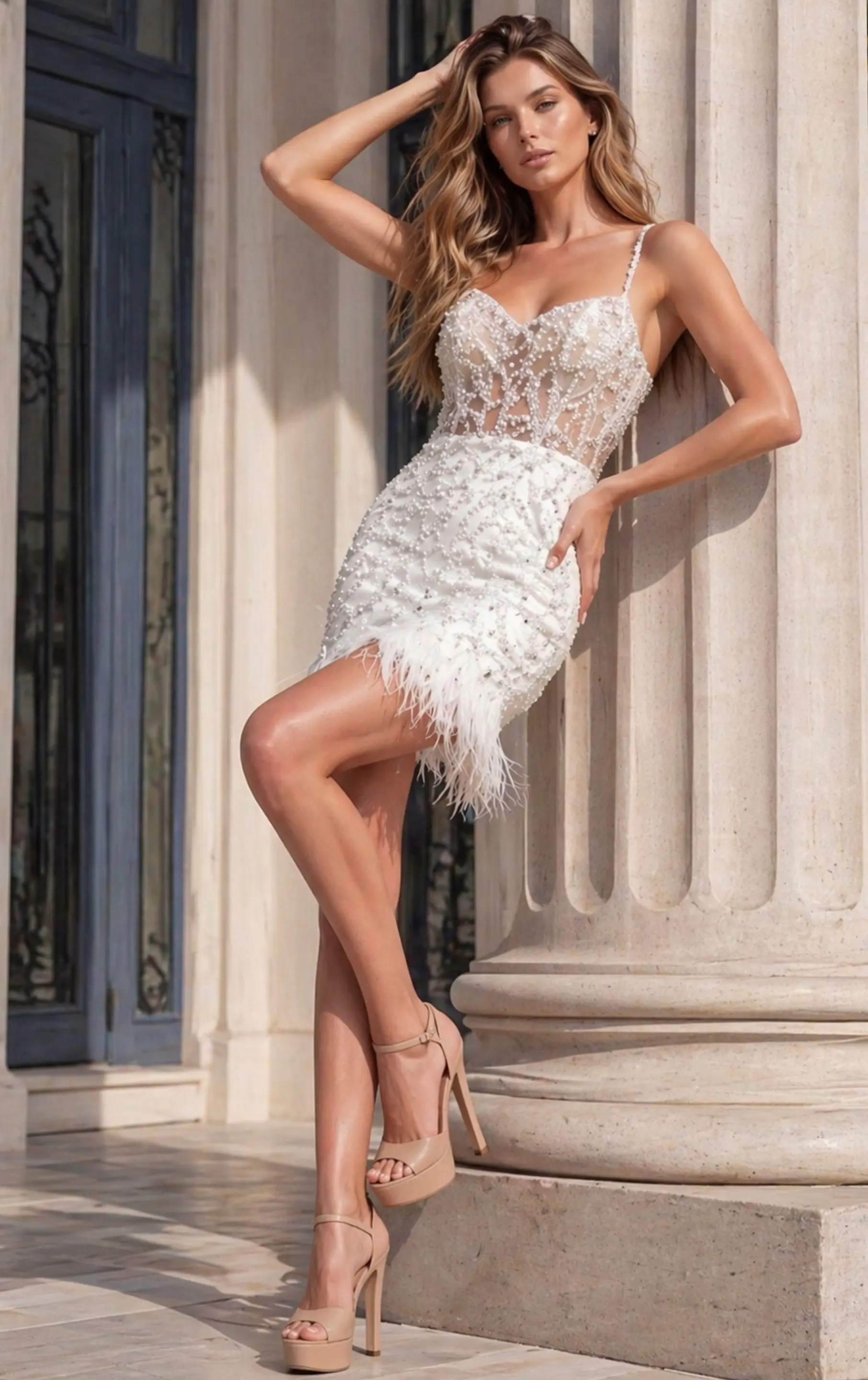
1 Colors
Beaded Feather Hem Dress with Sheer Bodice 40449
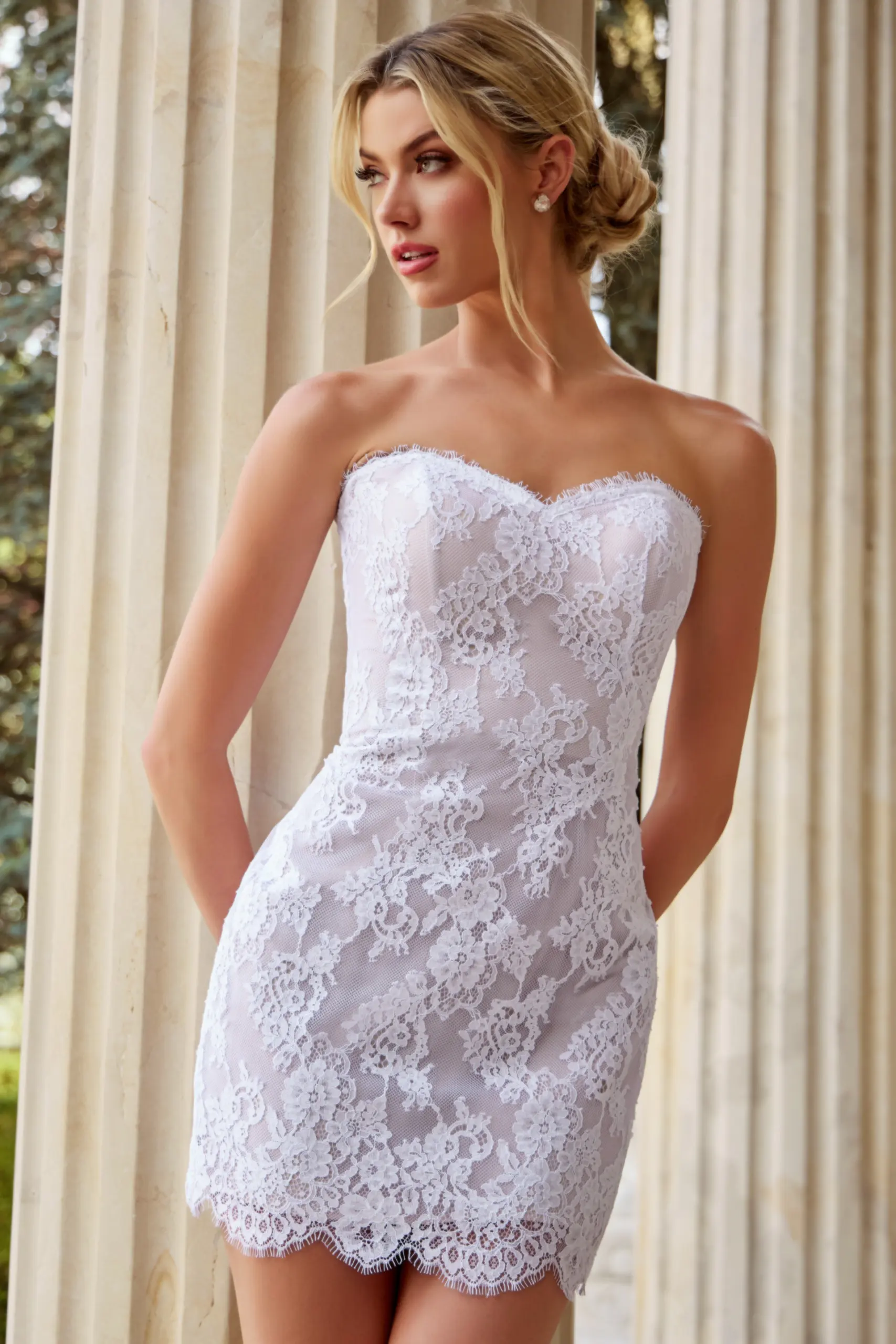
1 Colors
Lace Mini Dress with Scalloped Hem 48689
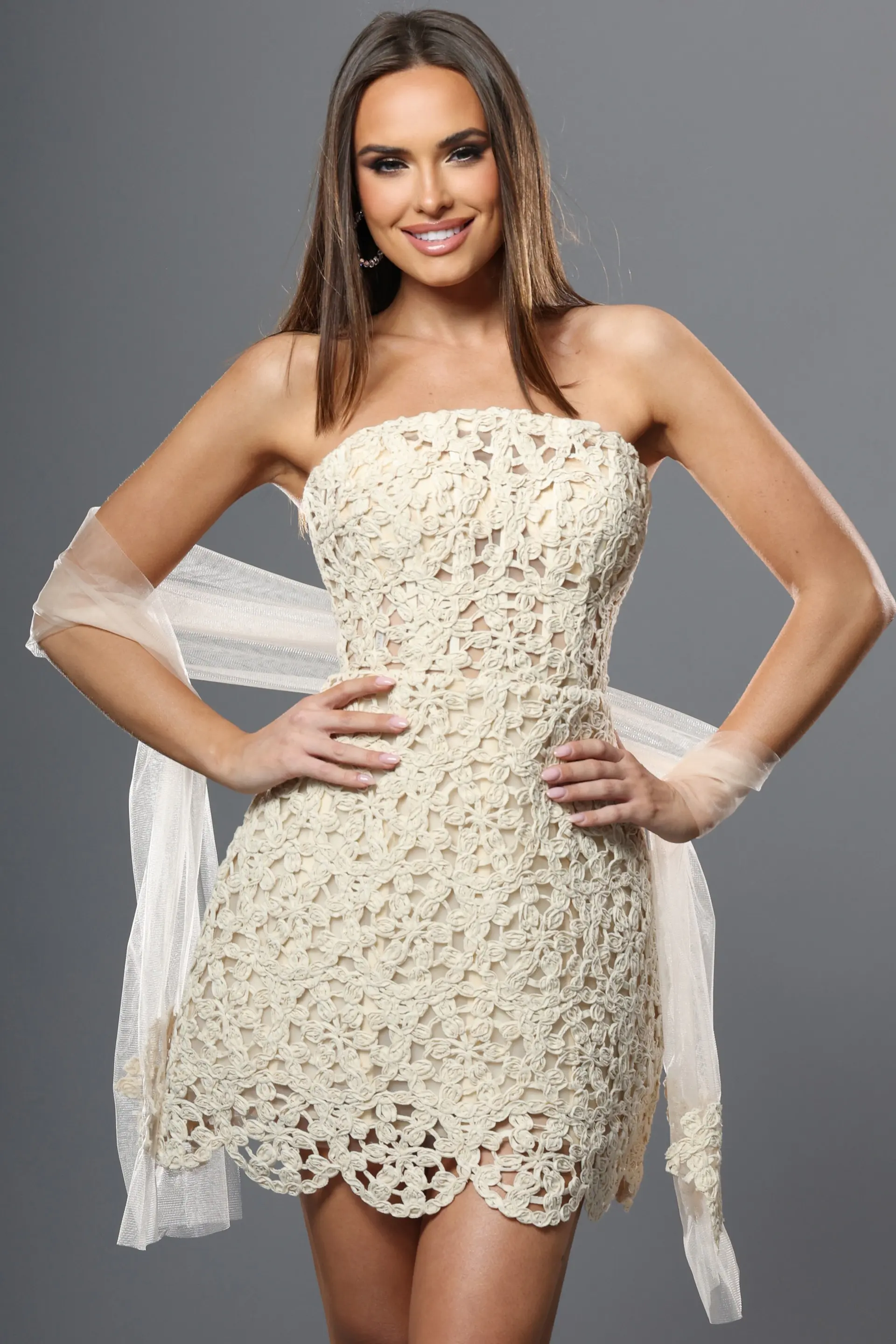
1 Colors
Floral Crochet Mini Dress with Gold Leaf Belt 48691
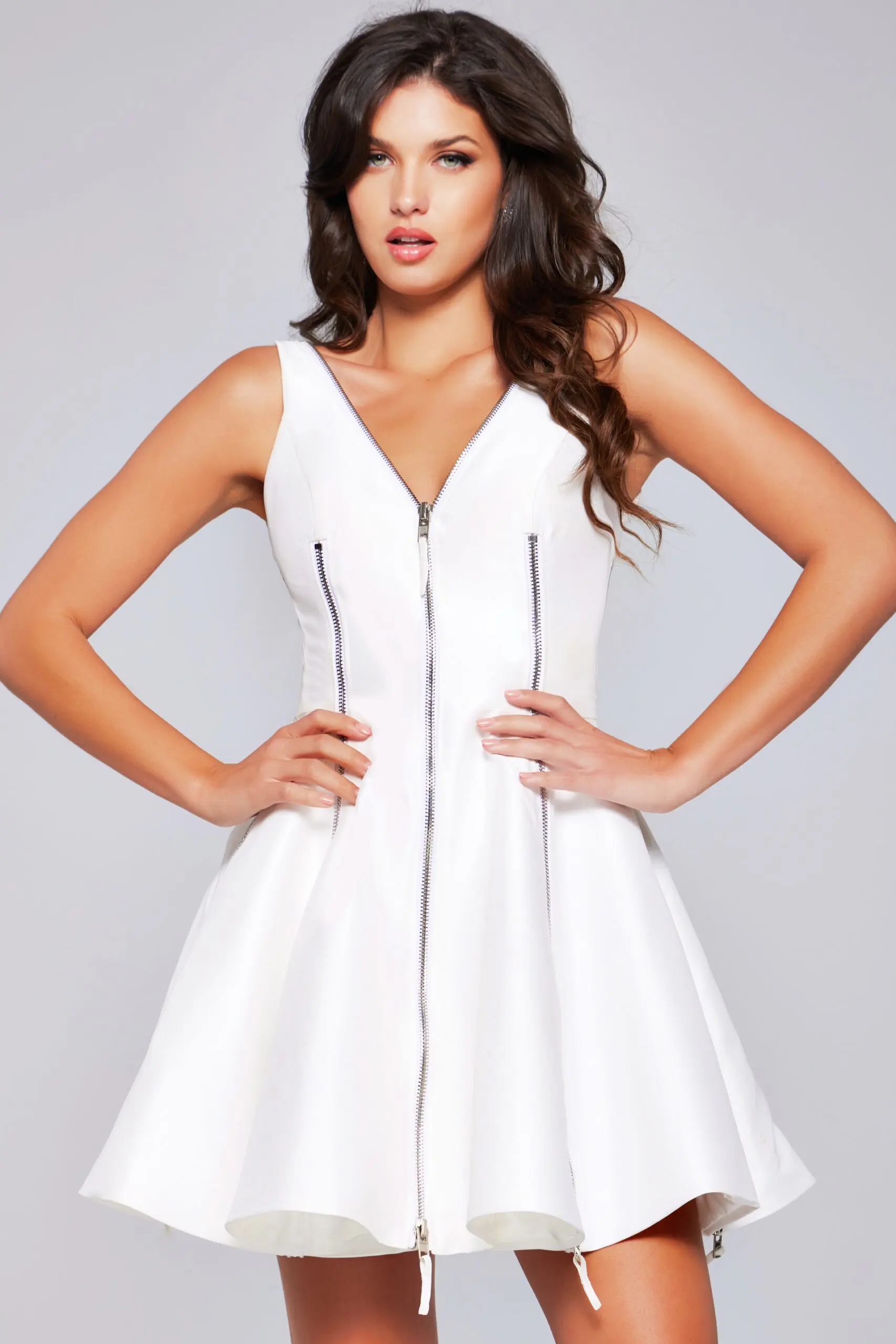
3 Colors
V-Neckline White Fit and Flare Dress with Zipper Details 39821
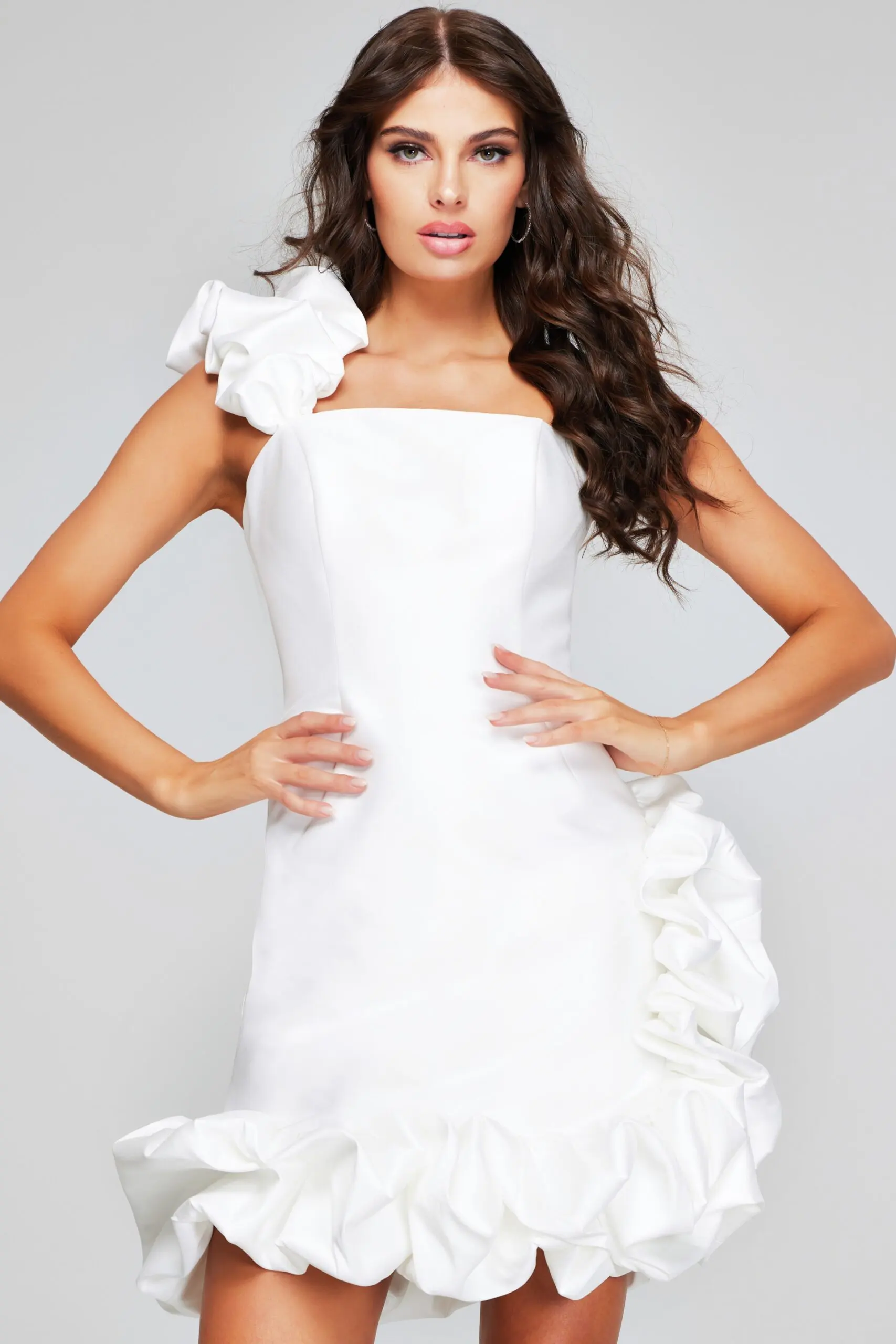
2 Colors
Chic Off-White Ruffle Shoulder Mini Dress 42348
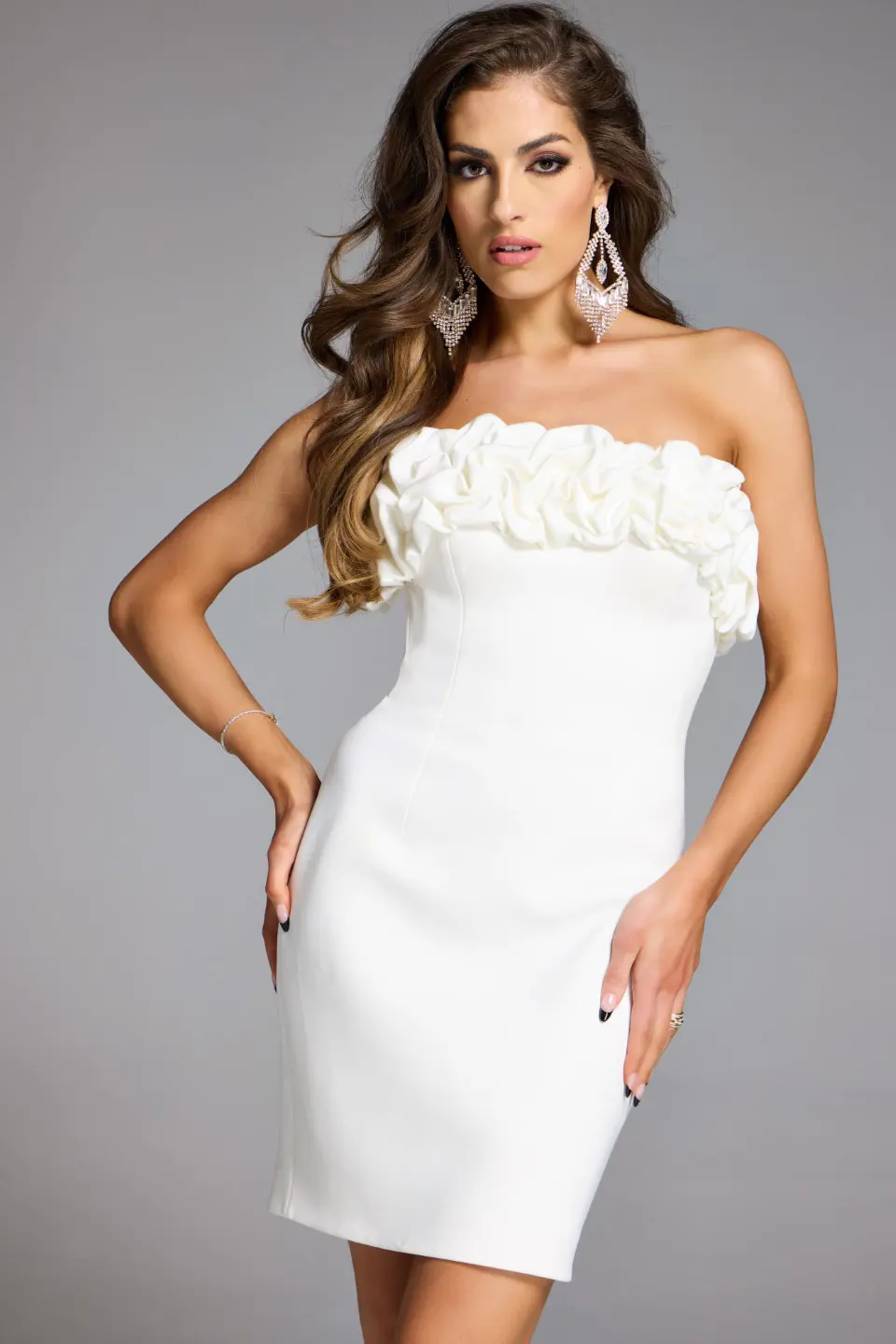
5 Colors
Strapless Mini Dress with Ruffled Bodice 42574
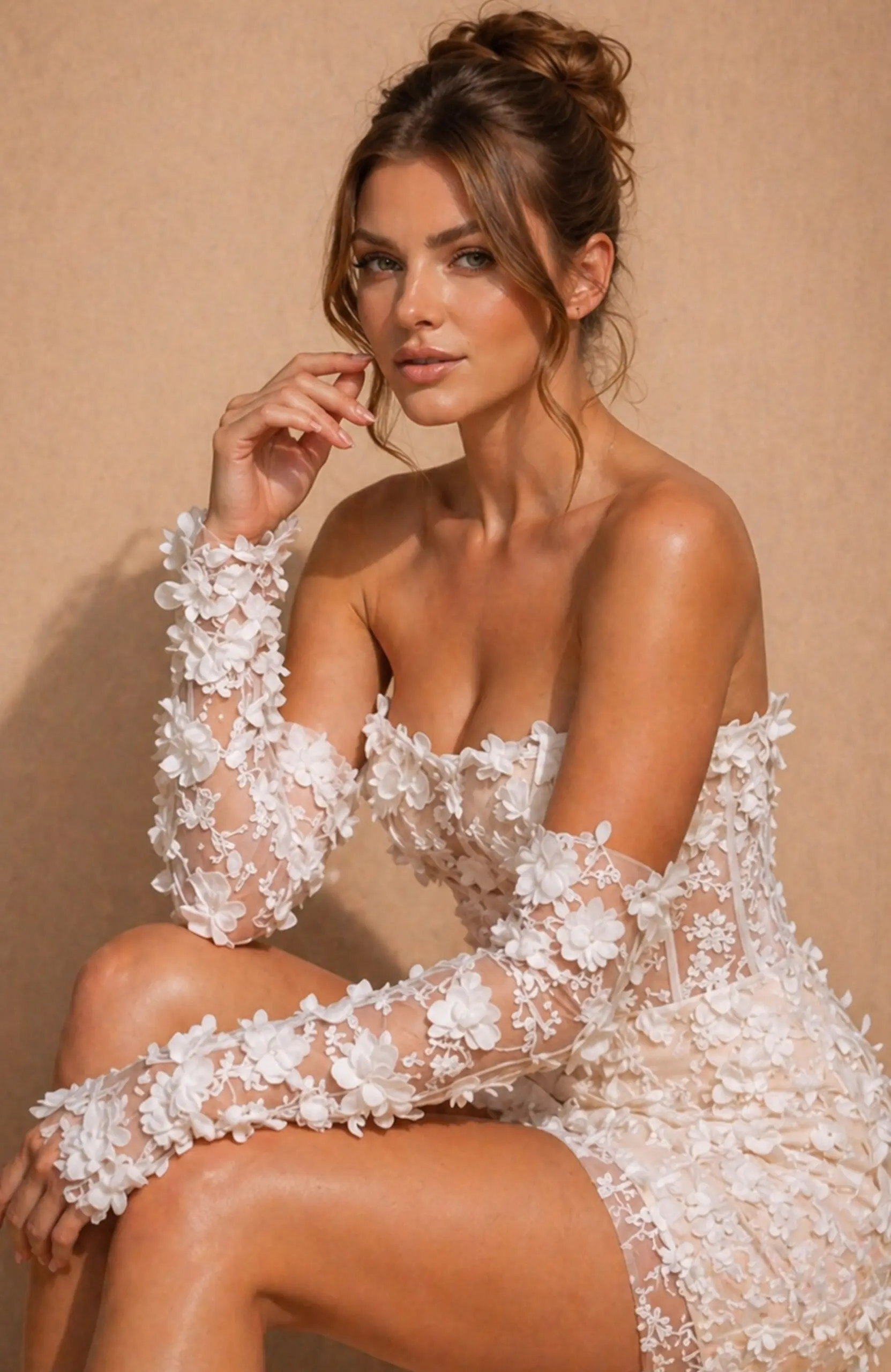
1 Colors
3D Floral Appliqué Strapless Mini Dress 52362
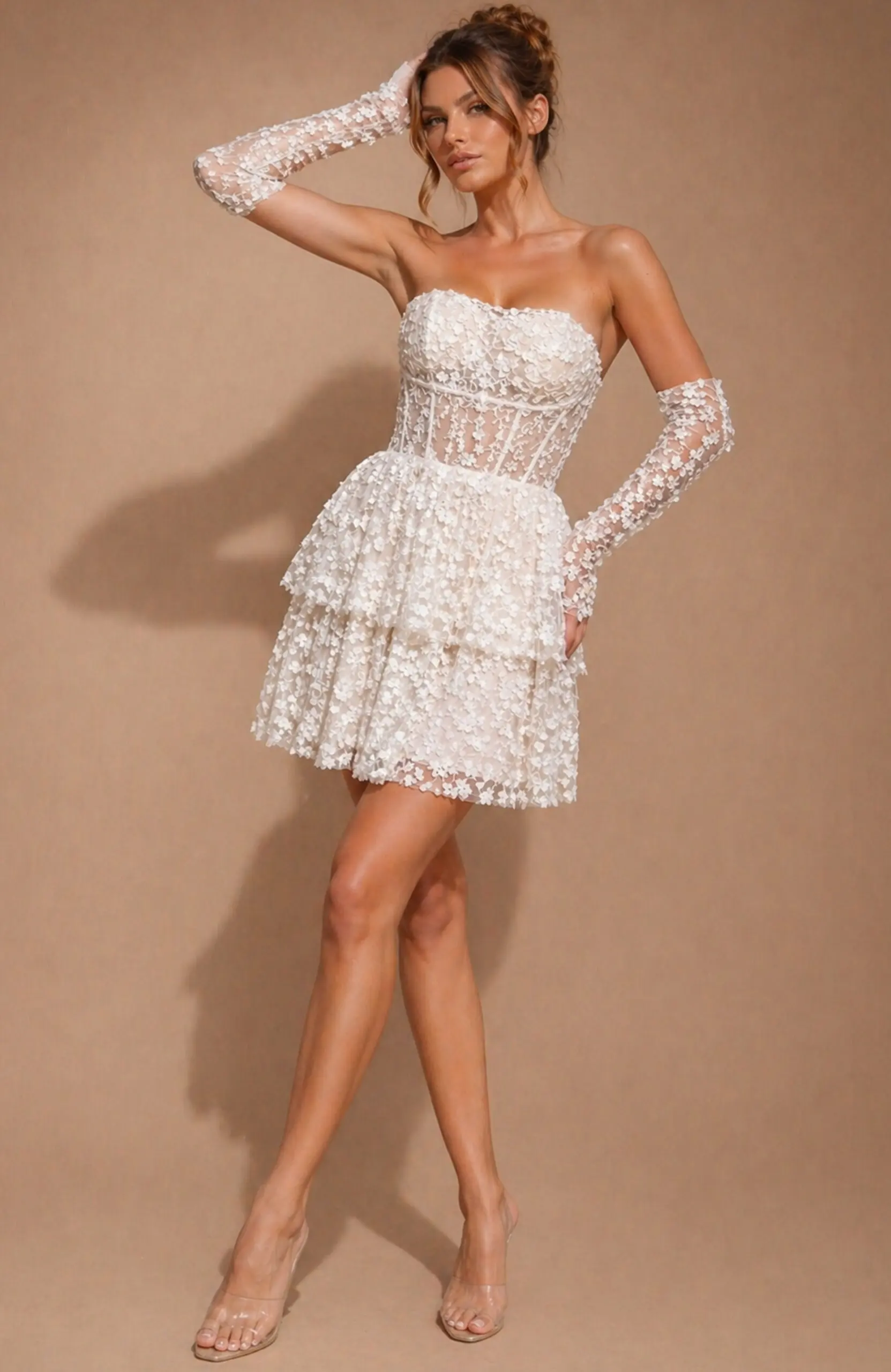
1 Colors
3D Floral Lace Strapless Tiered Mini Dress 52363
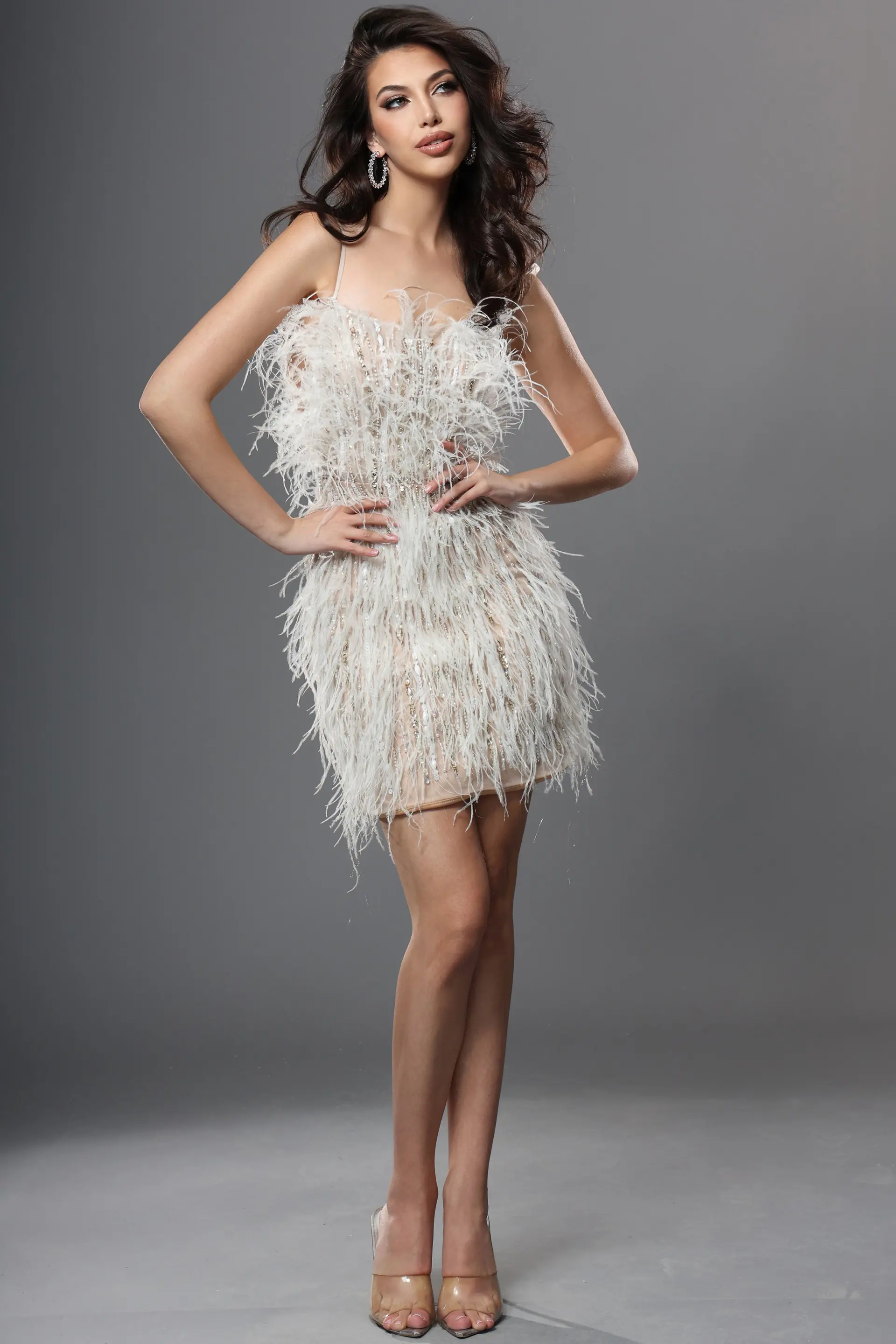
1 Colors
Sequin and Feather Mini Dress 52227
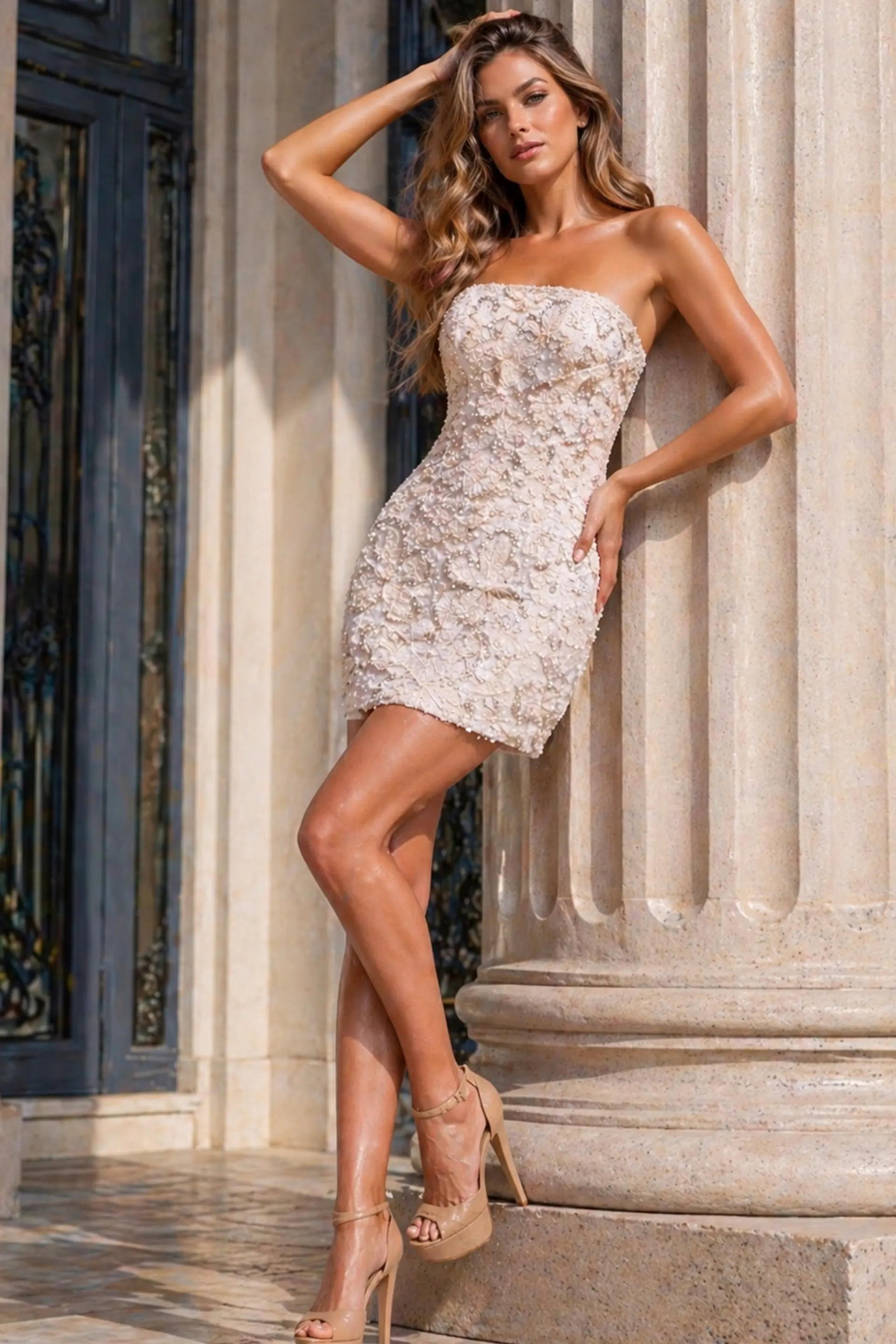
2 Colors
Strapless Embellished Mini Dress 52614
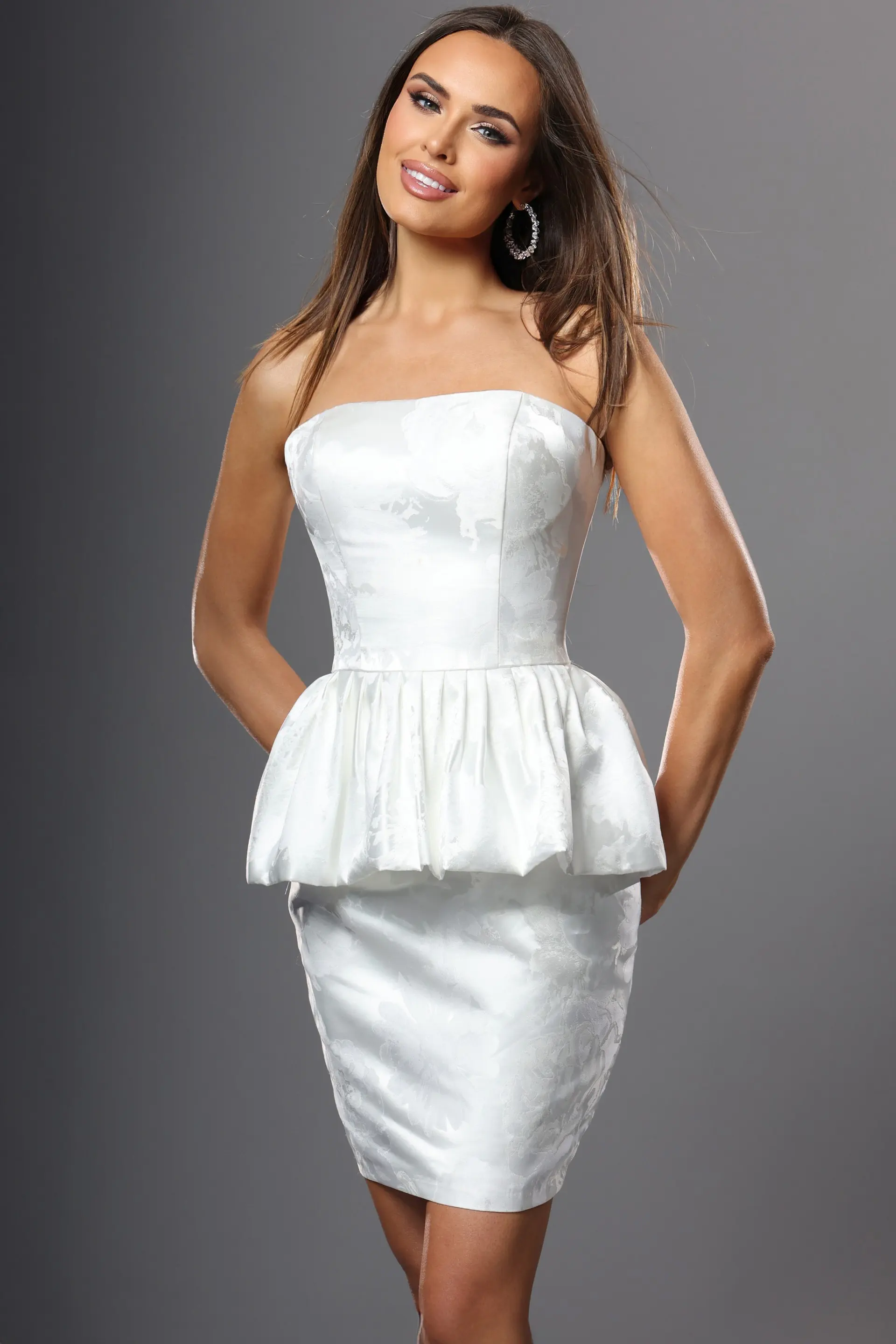
1 Colors
Floral Jacquard Strapless Peplum Mini Dress 53952
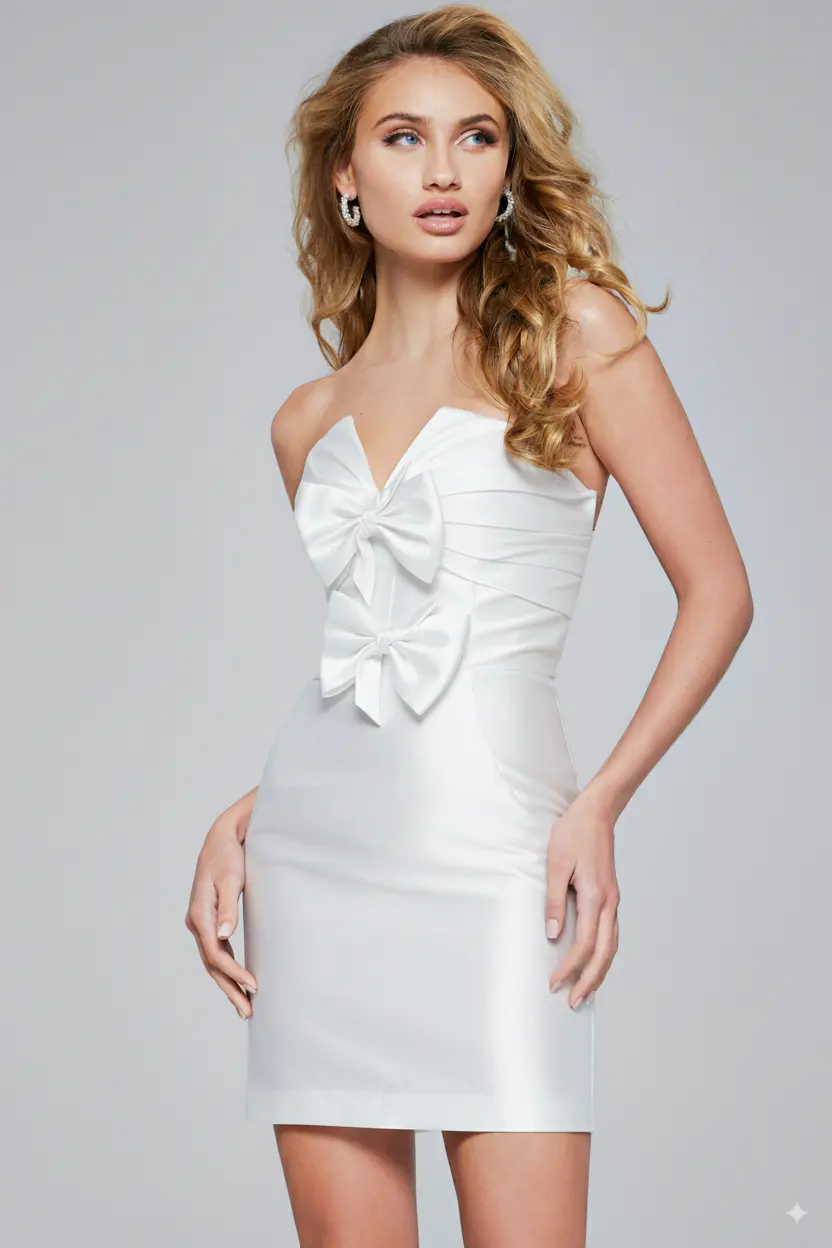
5 Colors
Black V Neckline Fitted Dress 39873
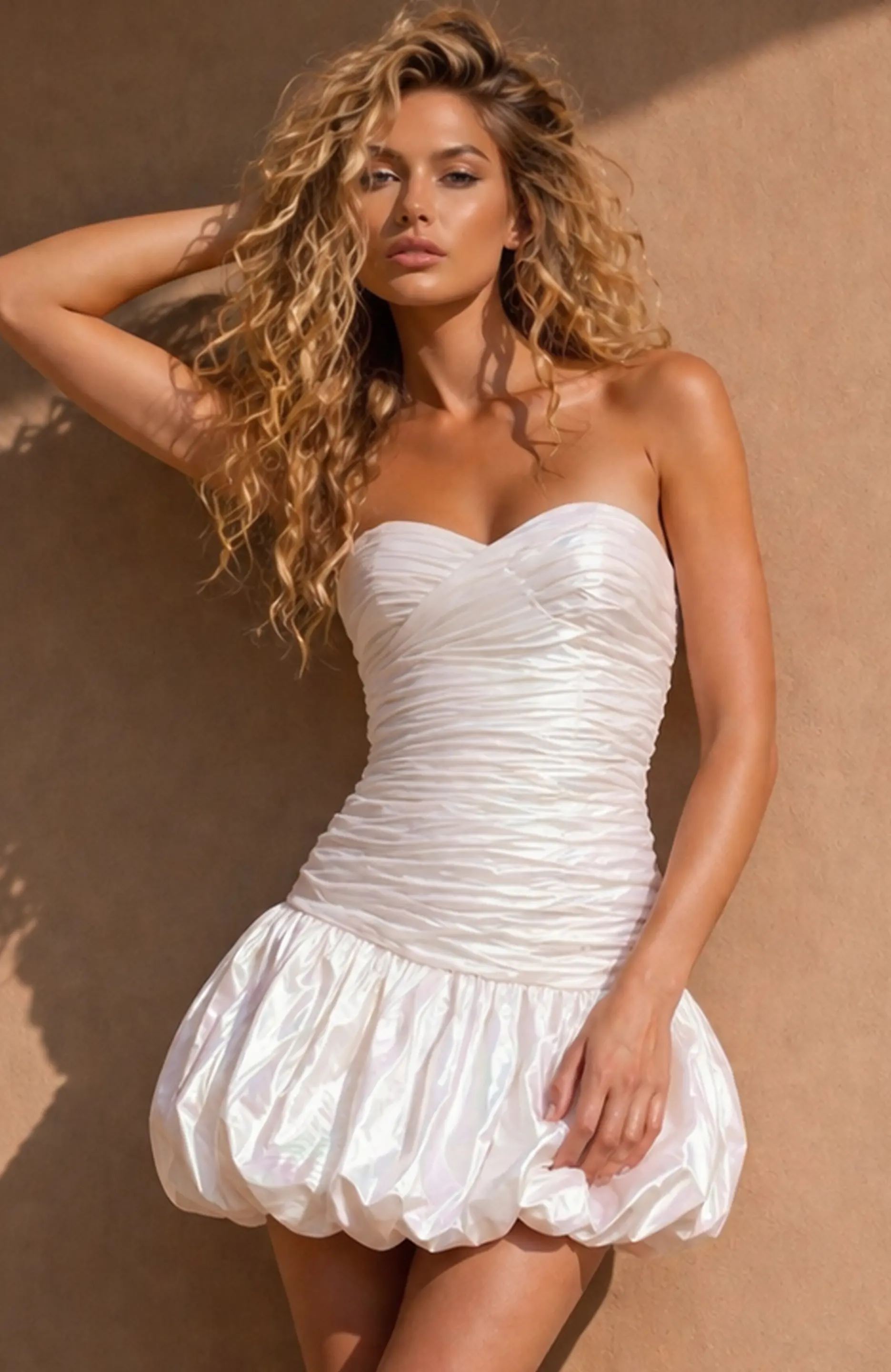
1 Colors
Ruched Strapless Bubble Hem Mini Dress 52225
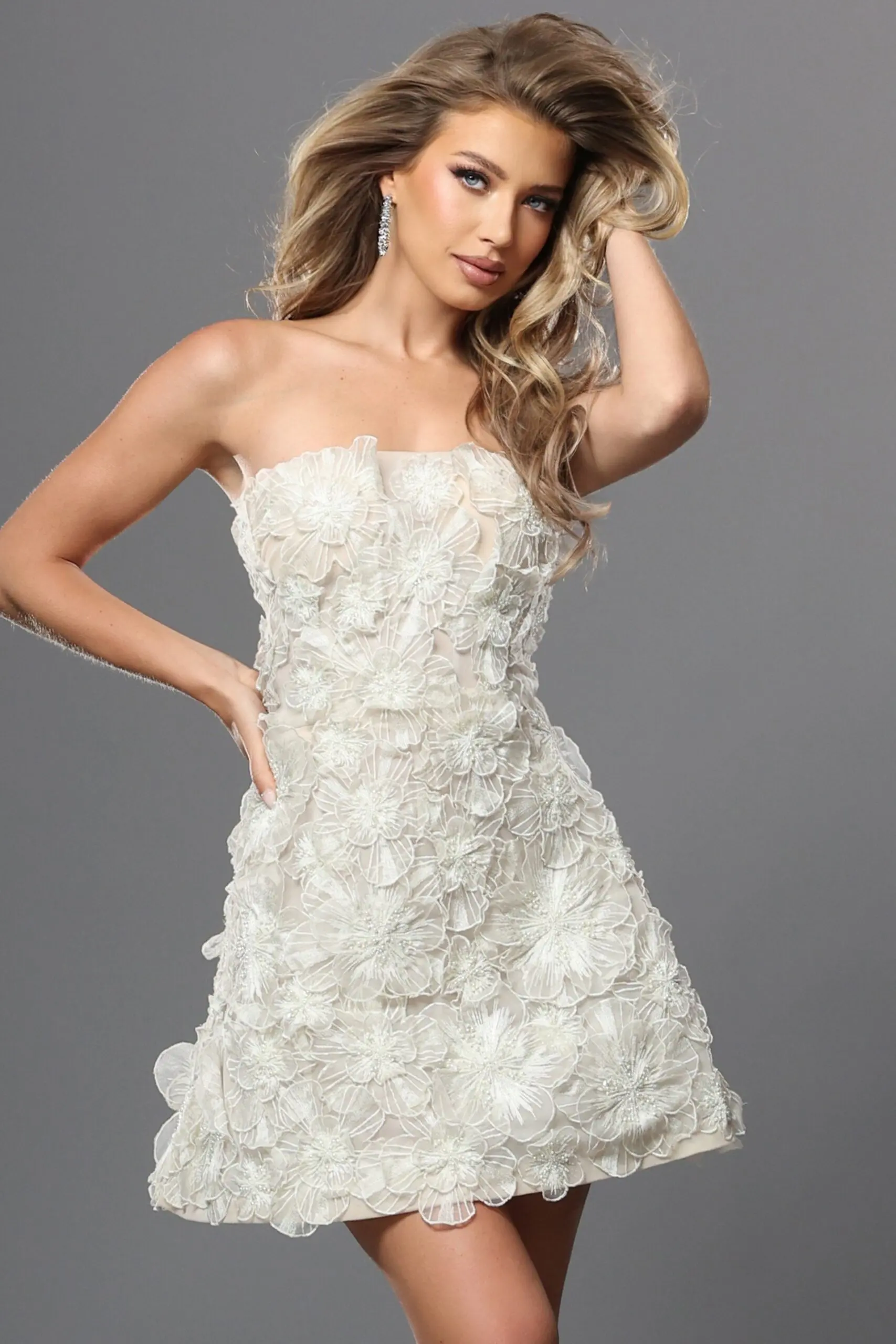
1 Colors
3D Floral Appliqué Strapless Mini Dress 52558
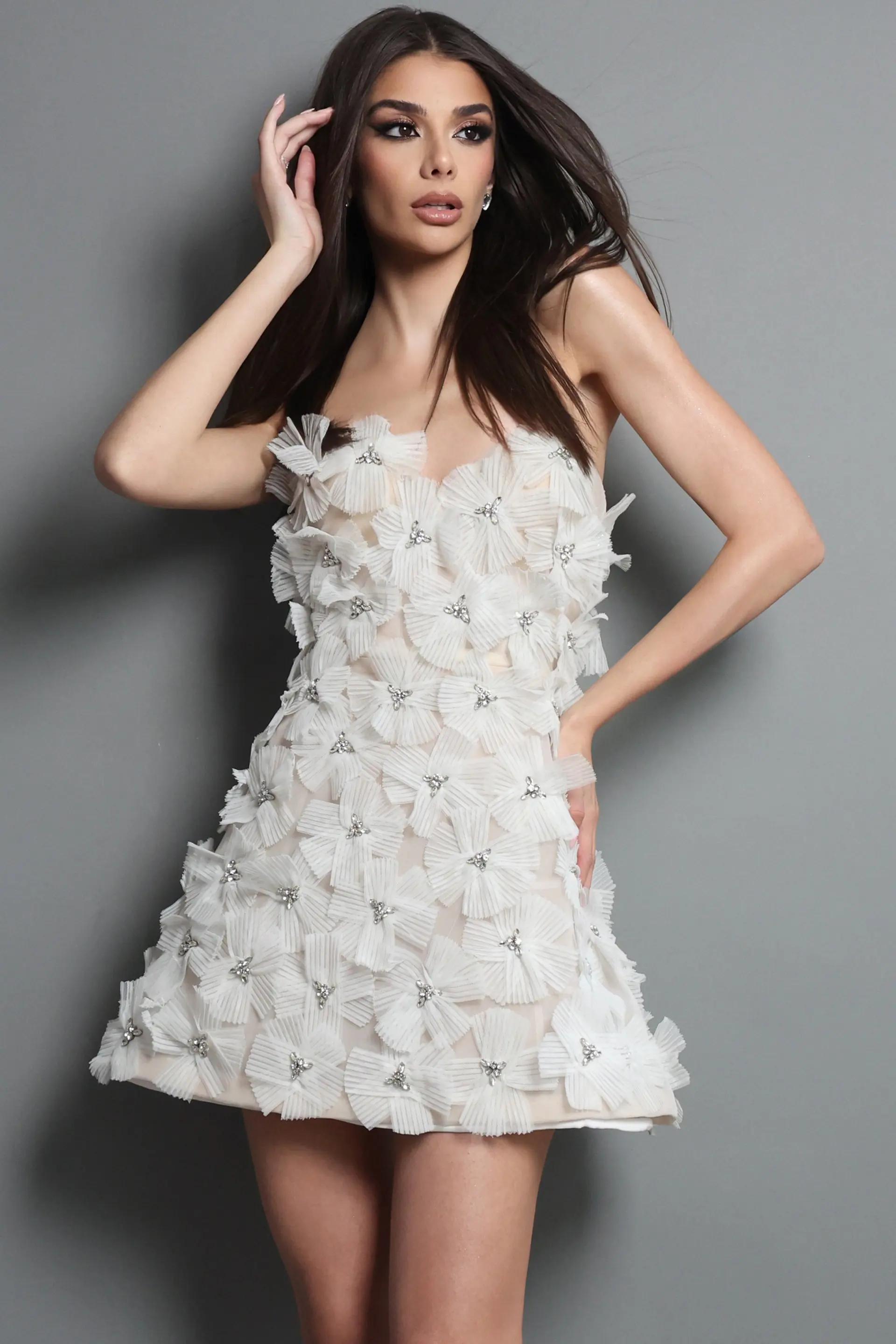
1 Colors
White 3D Floral Strapless Sweetheart Mini Dress 52559
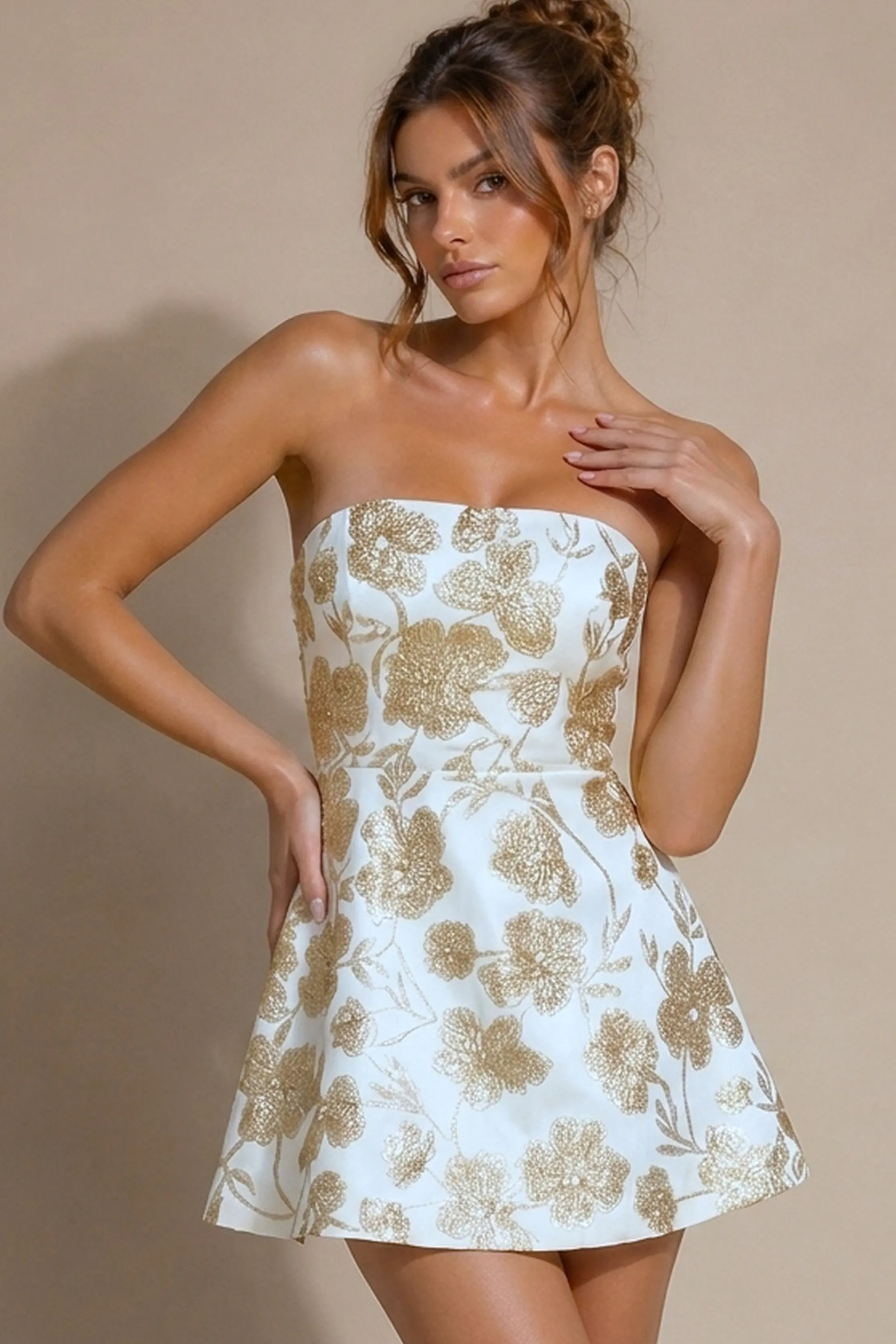
1 Colors
Ivory Gold Floral Strapless Fit Flare Mini Dress 52555
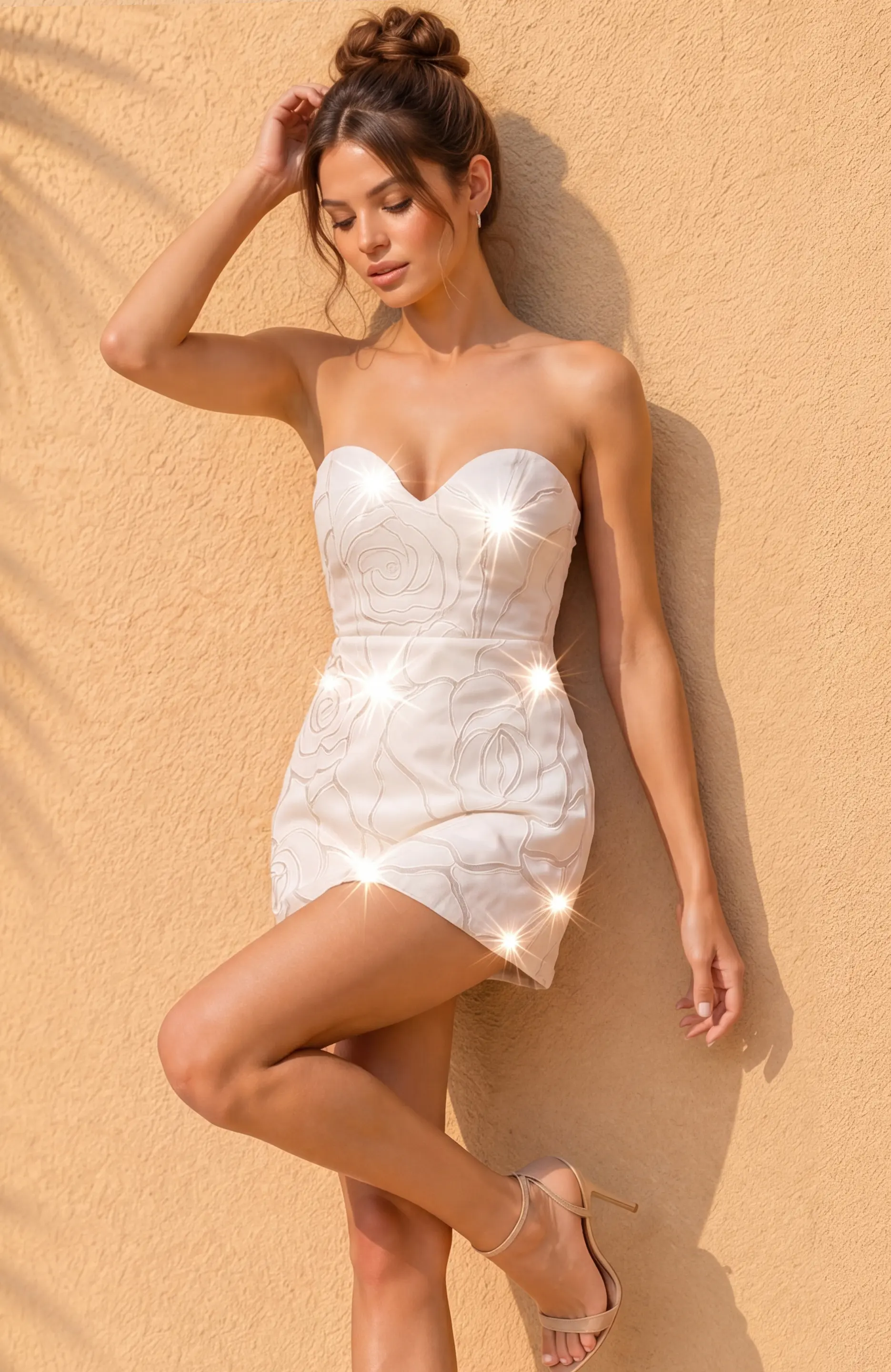
1 Colors
Strapless Rose Appliqué Mini Dress 52560
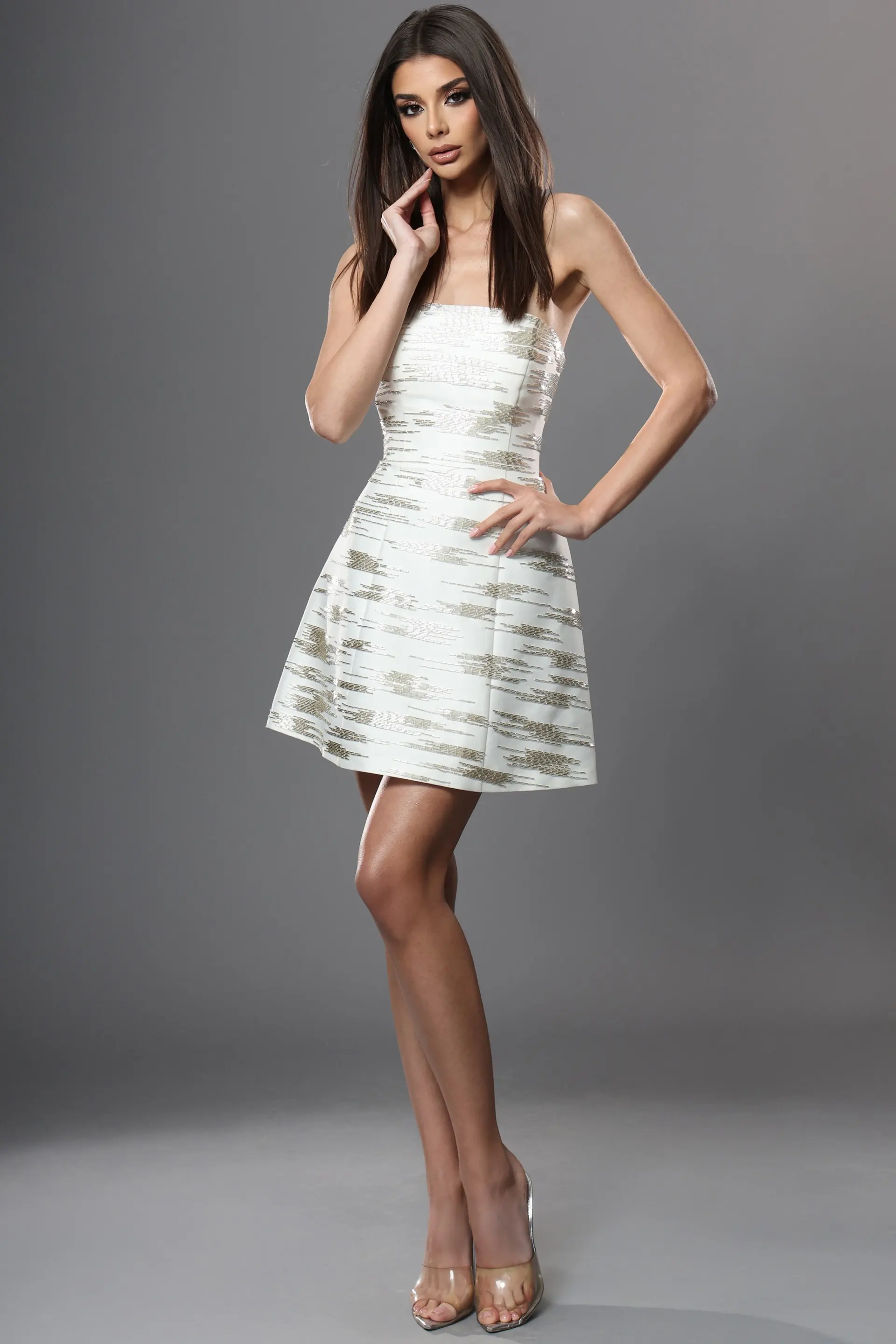
2 Colors
Strapless Sequin Mini Dress 53953
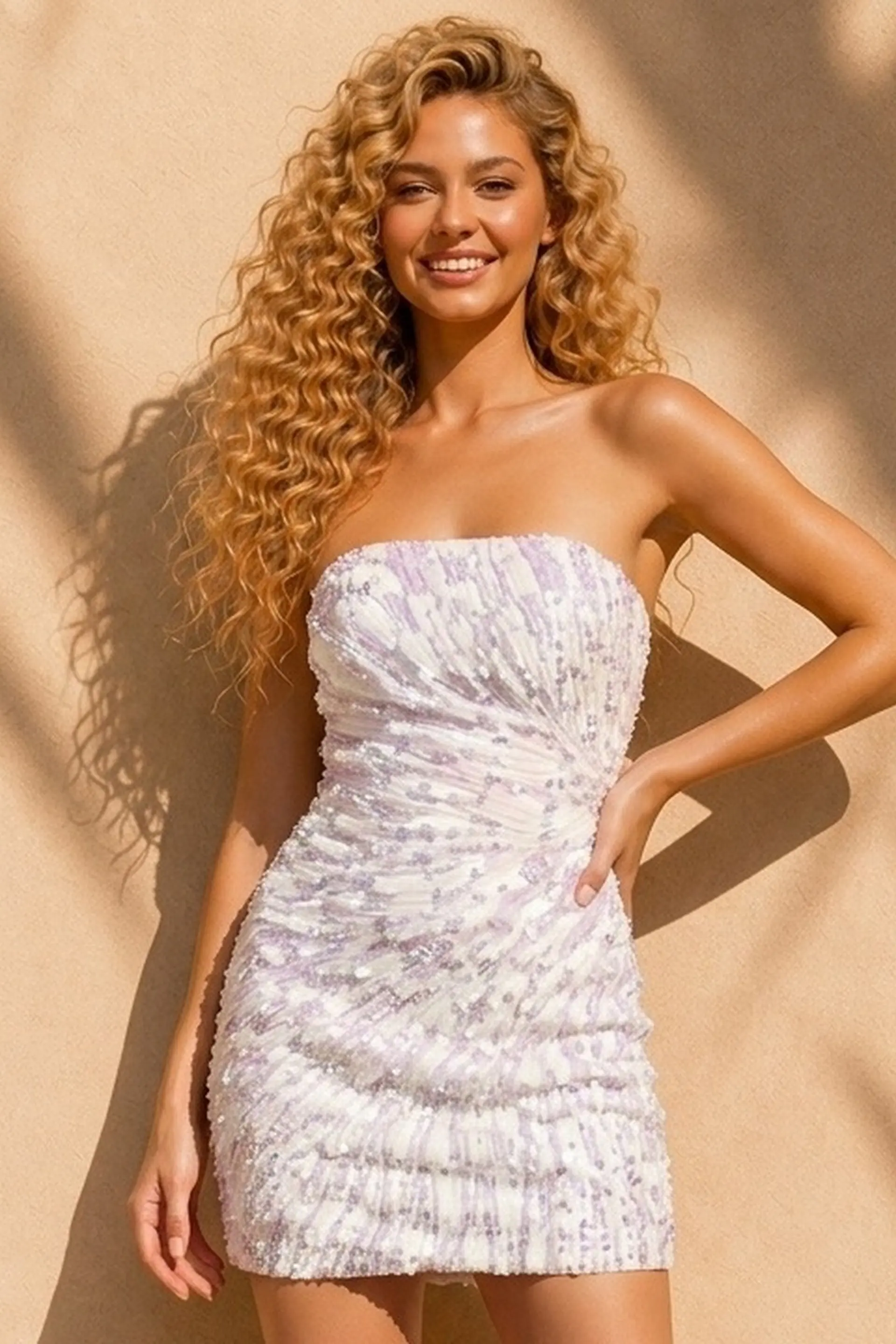
1 Colors
Lavender White Sequin Strapless Ruched Mini Dress 52610
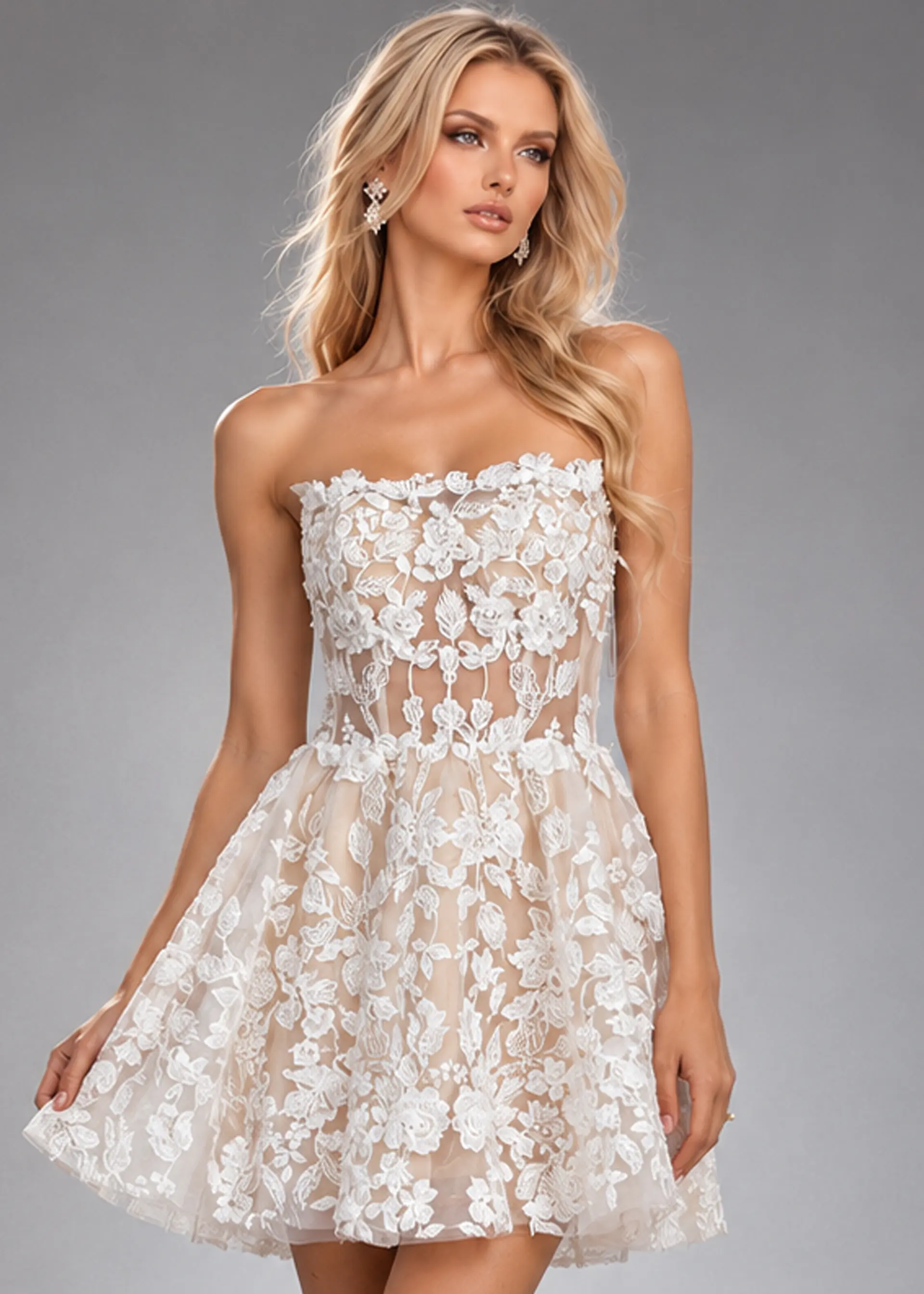
1 Colors
Off White Floral Embroidered Strapless Corset Mini Dress 52361
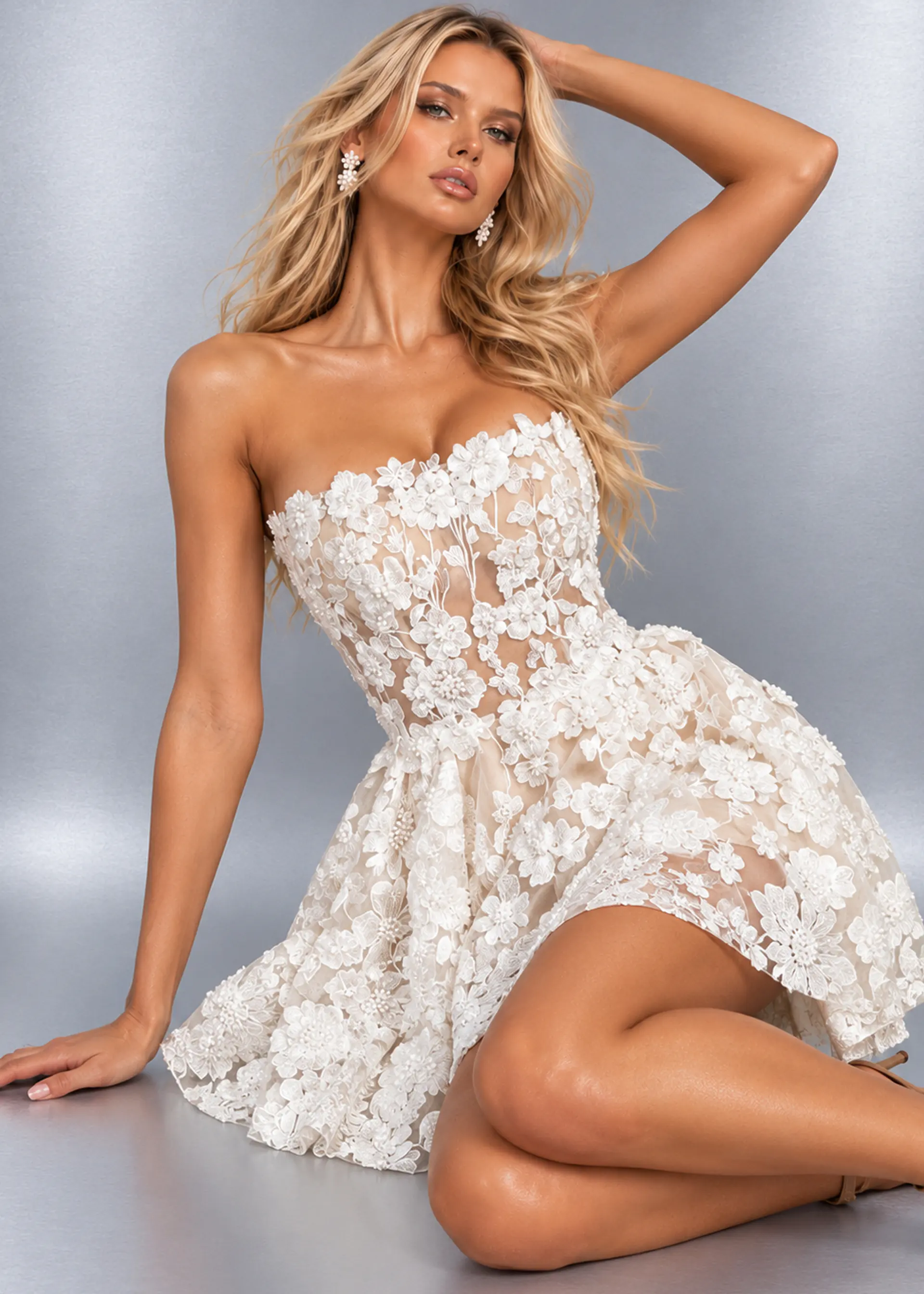
1 Colors
Off White 3D Floral Lace Strapless Corset Mini Dress 52360
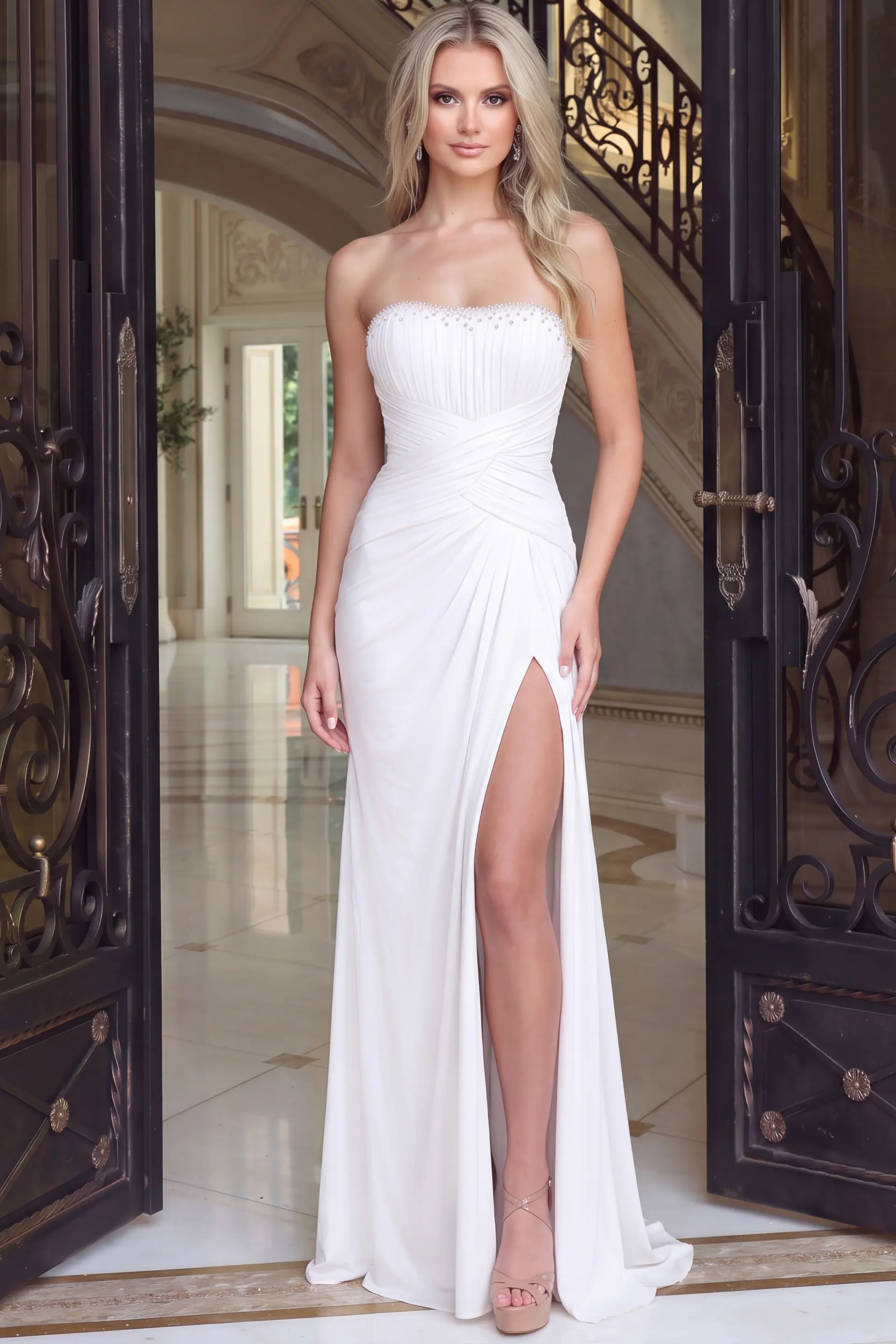
4 Colors
White Strapless Ruched High Slit Jersey Gown 49537
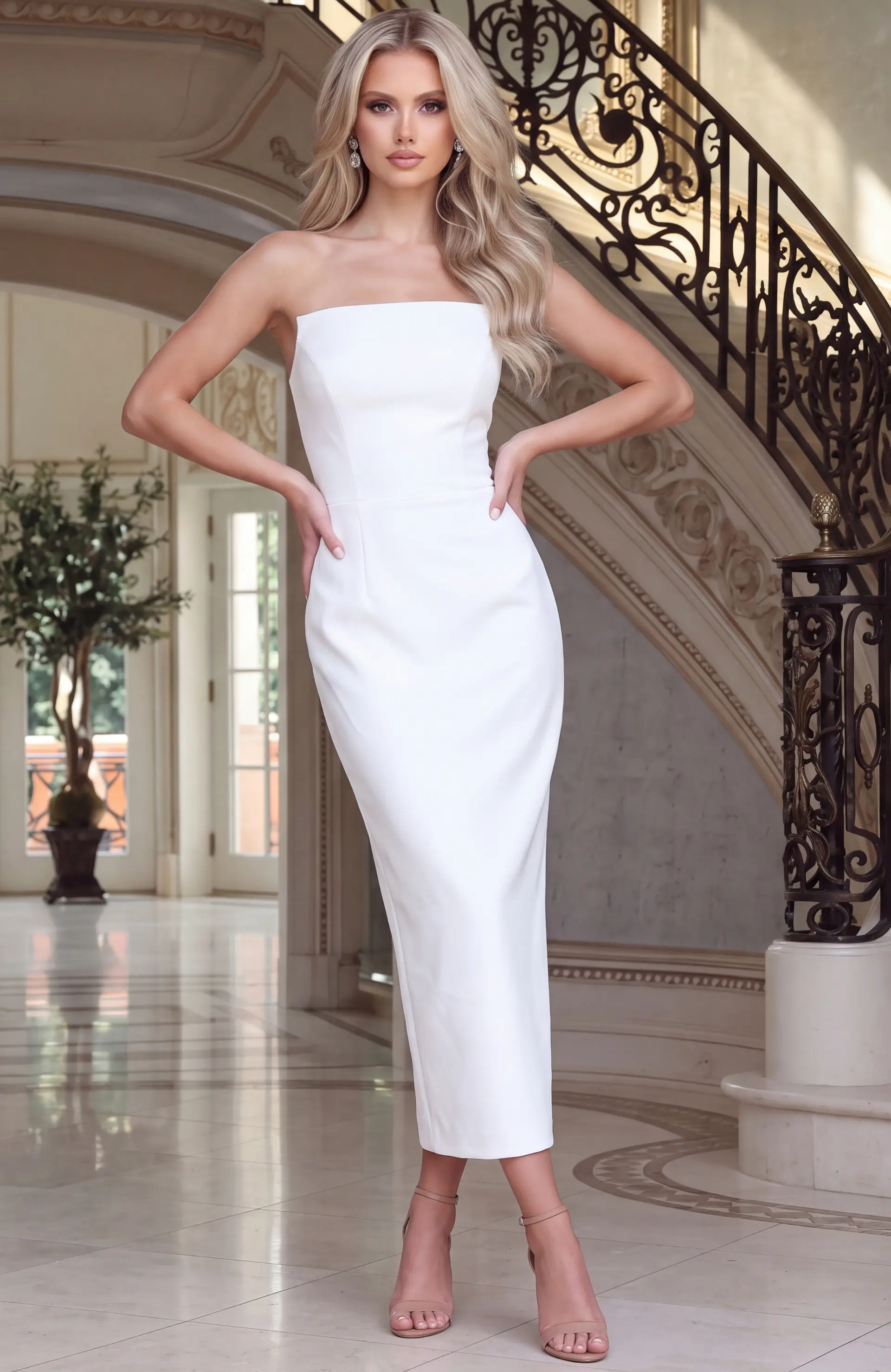
7 Colors
Strapless Straight Neck Fitted Midi Dress 49061
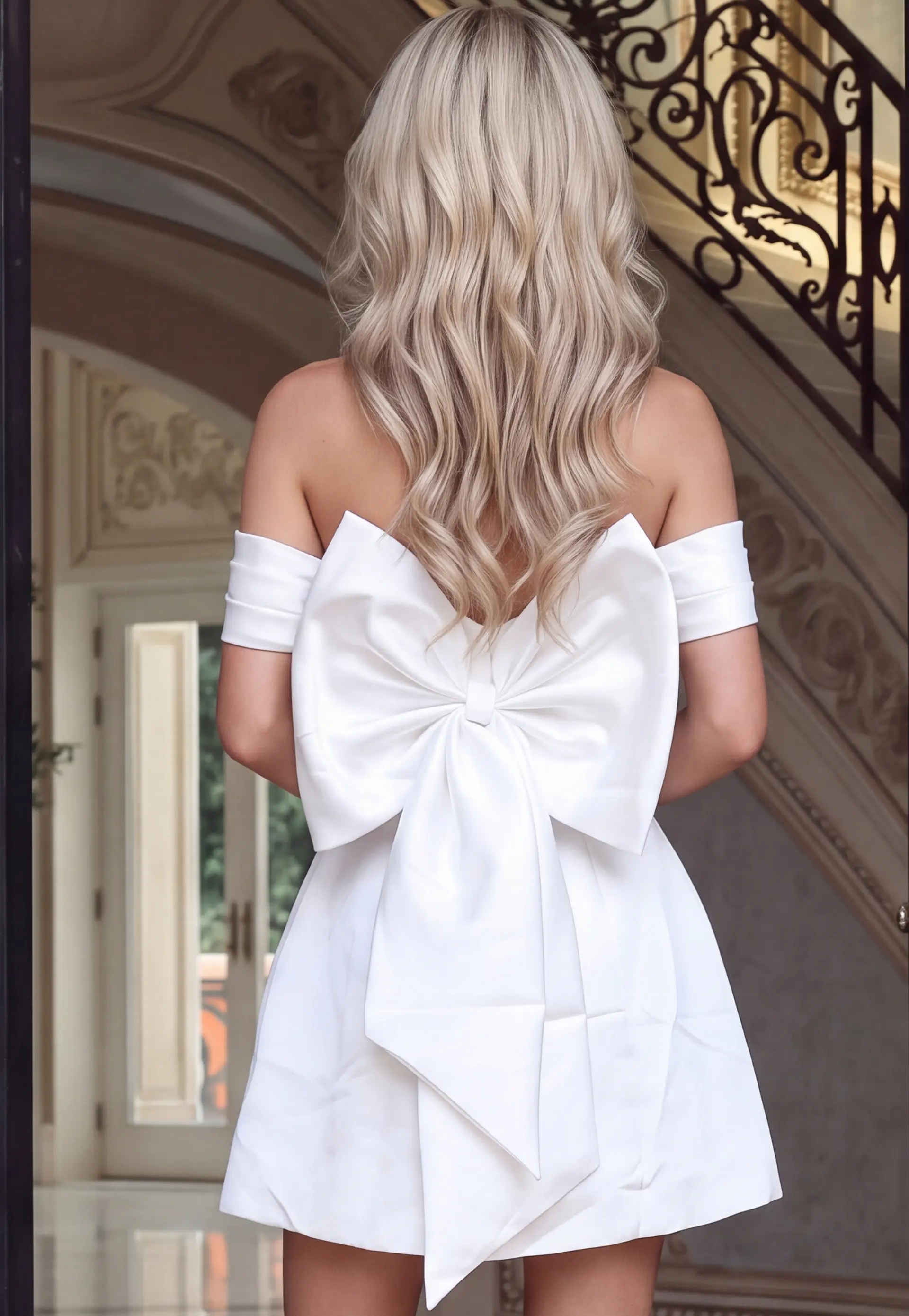
1 Colors
Off Shoulder Satin Bow Back Fit And Flare Mini Dress JB48453
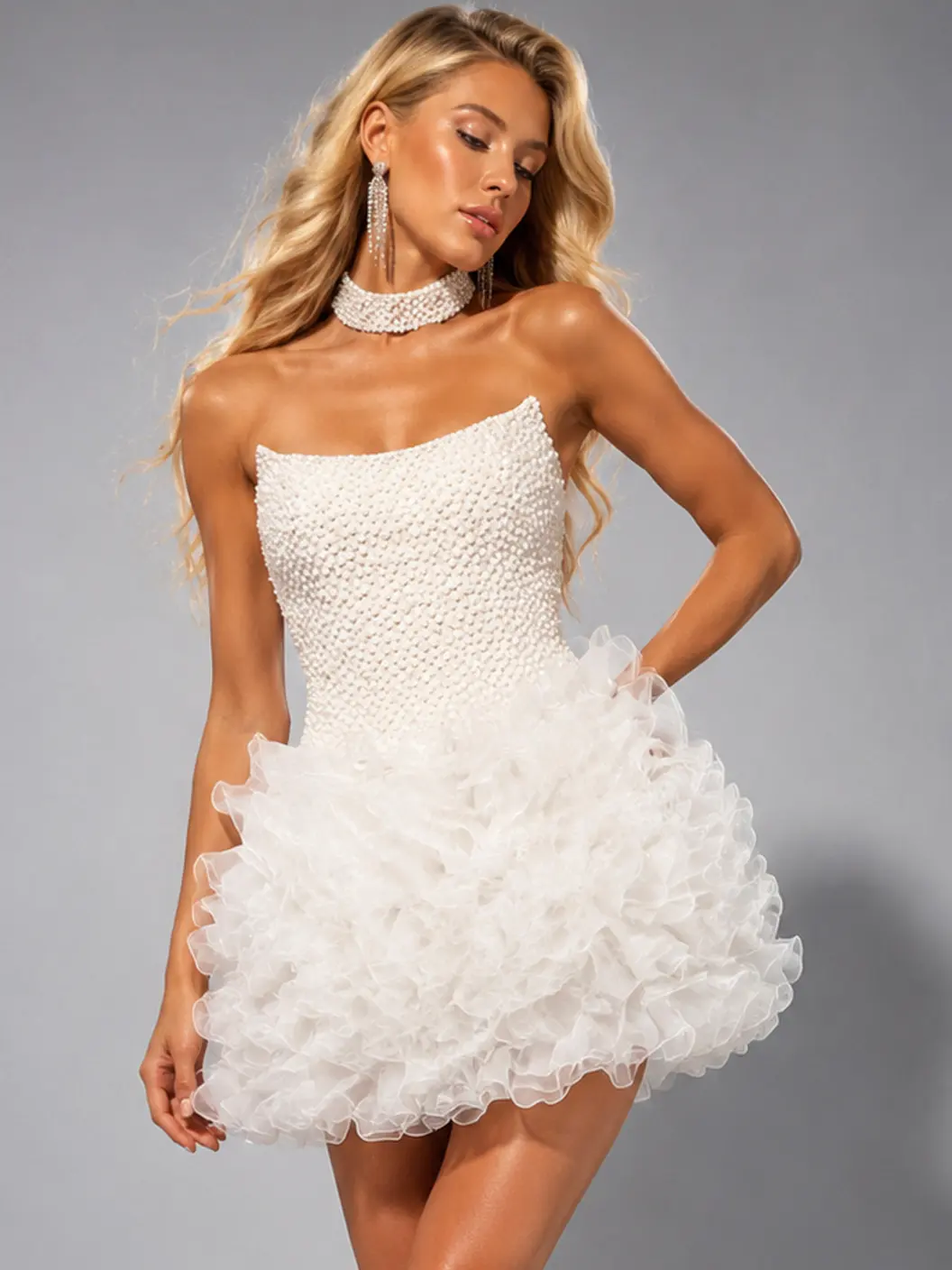
1 Colors
Strapless Pearl Beaded Mini Dress with Voluminous Ruffle Skirt 45338
3 Colors
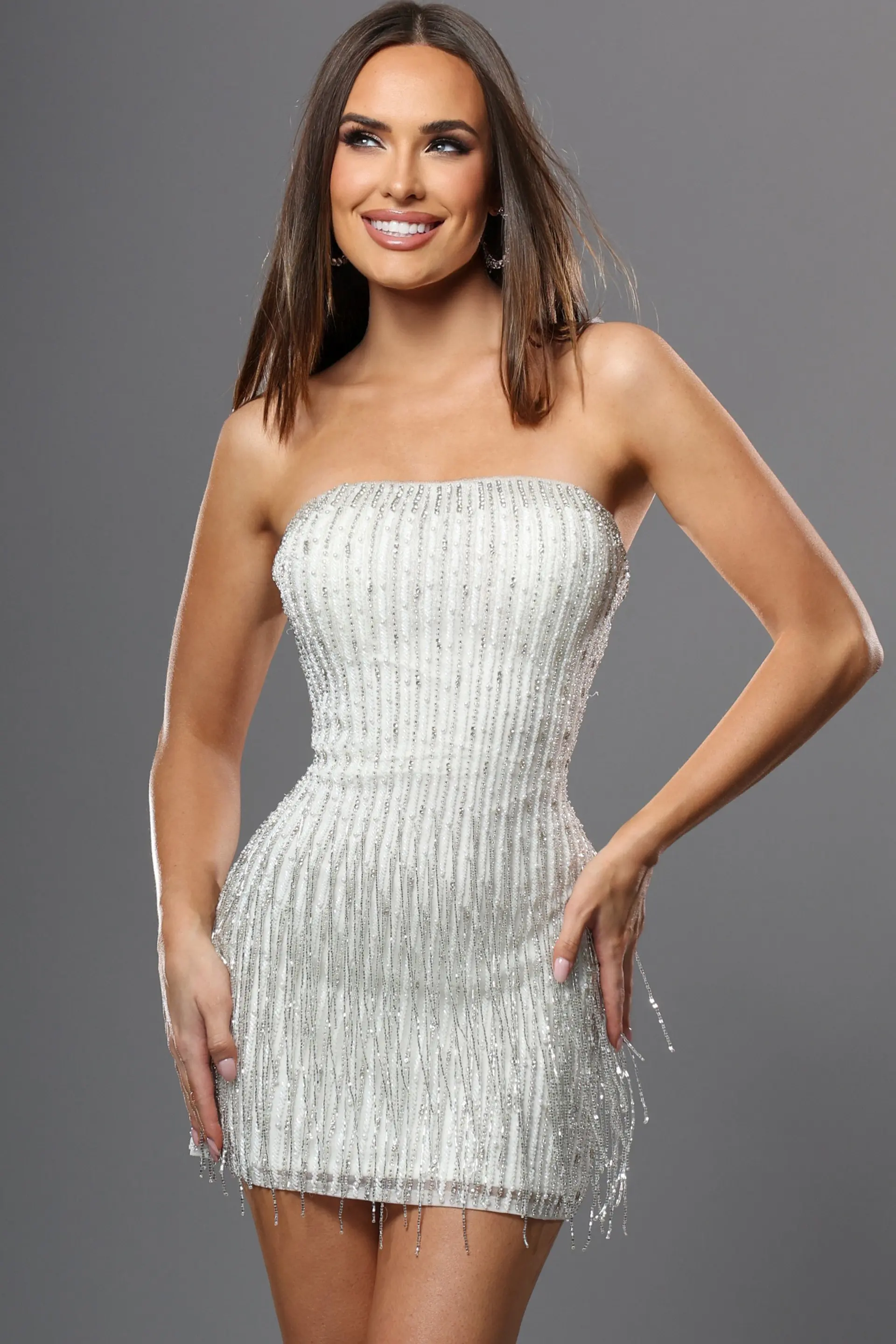
Strapless Beaded Fringe Sheath Mini Dress 53287
2 Colors
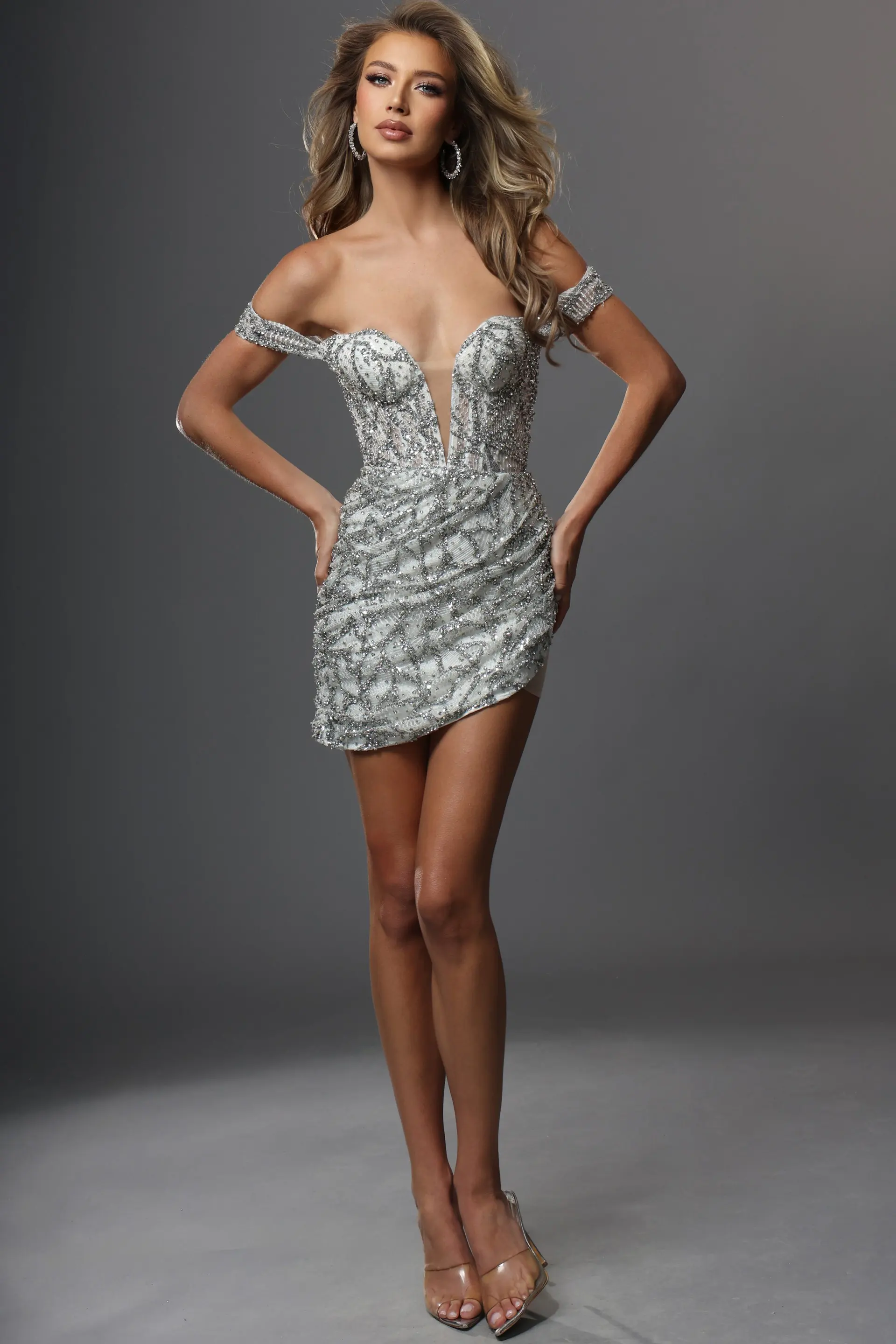
Beaded Sequin Bodycon Mini Dress 52875
1 Colors
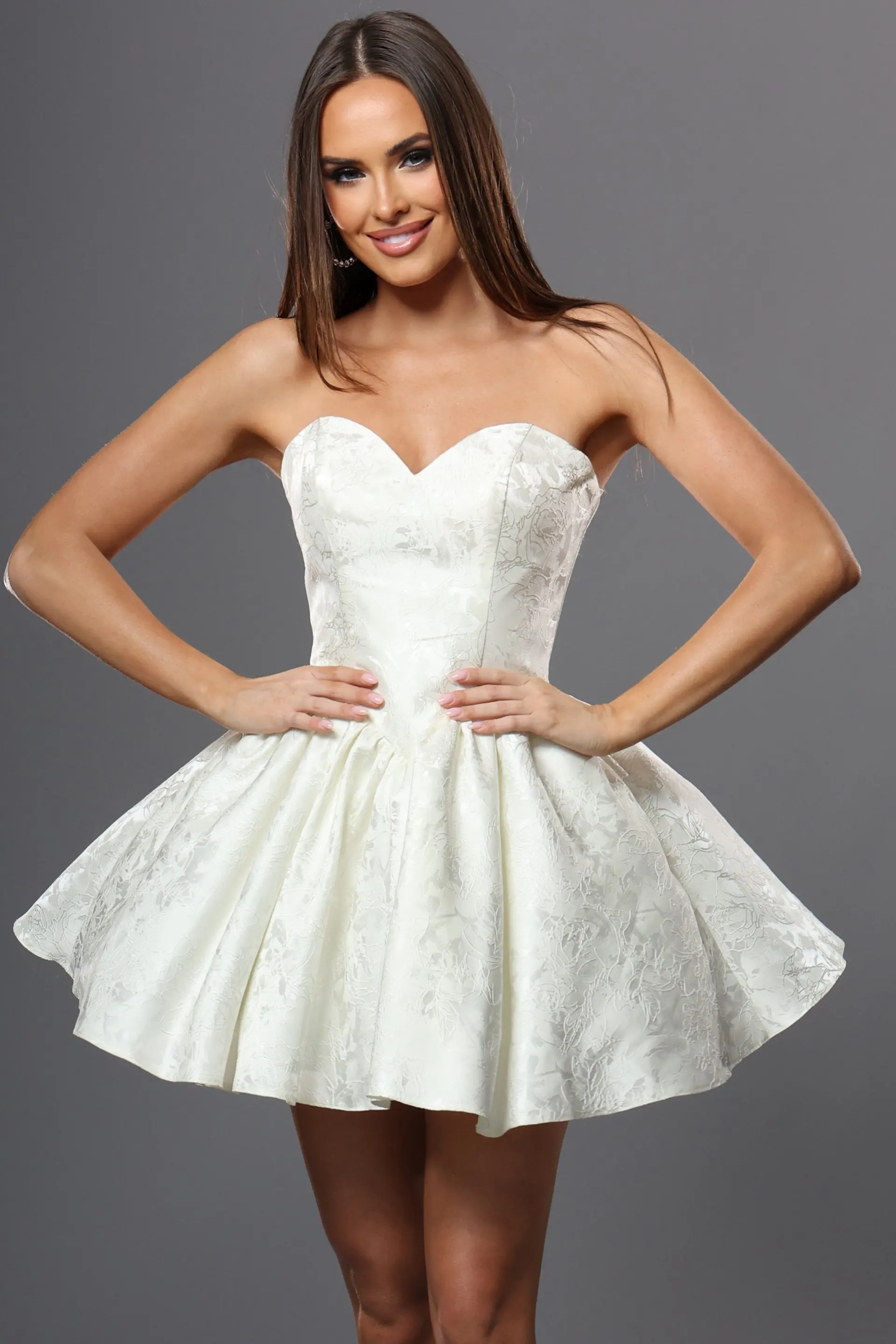
Floral Jaquard Fit And Flare Mini Dress 52228
1 Colors
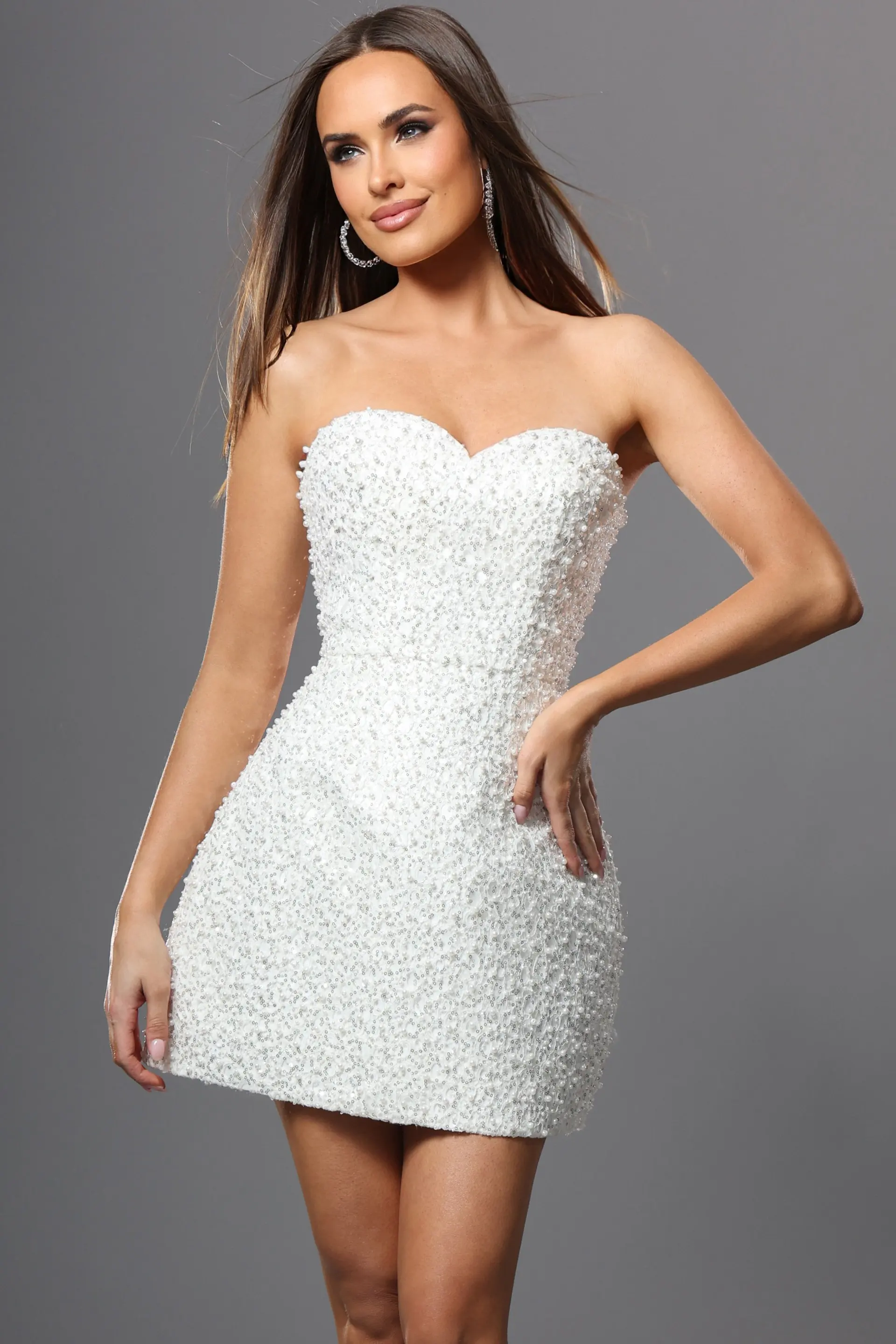
Pearl Beaded Sheath Mini Dress 52095
1 Colors
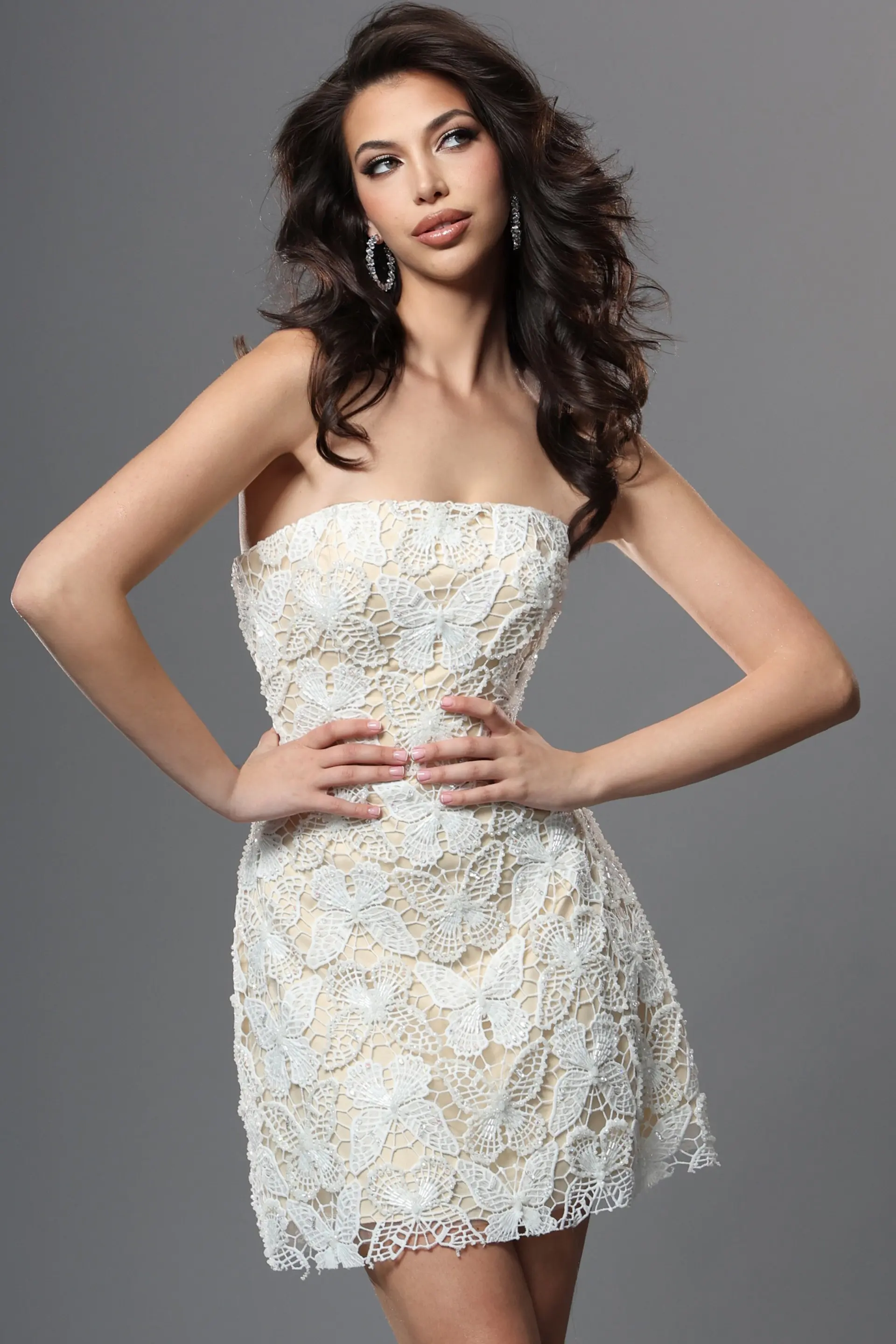
Lace Butterfly Beaded Mini Dress 51658
4 Colors
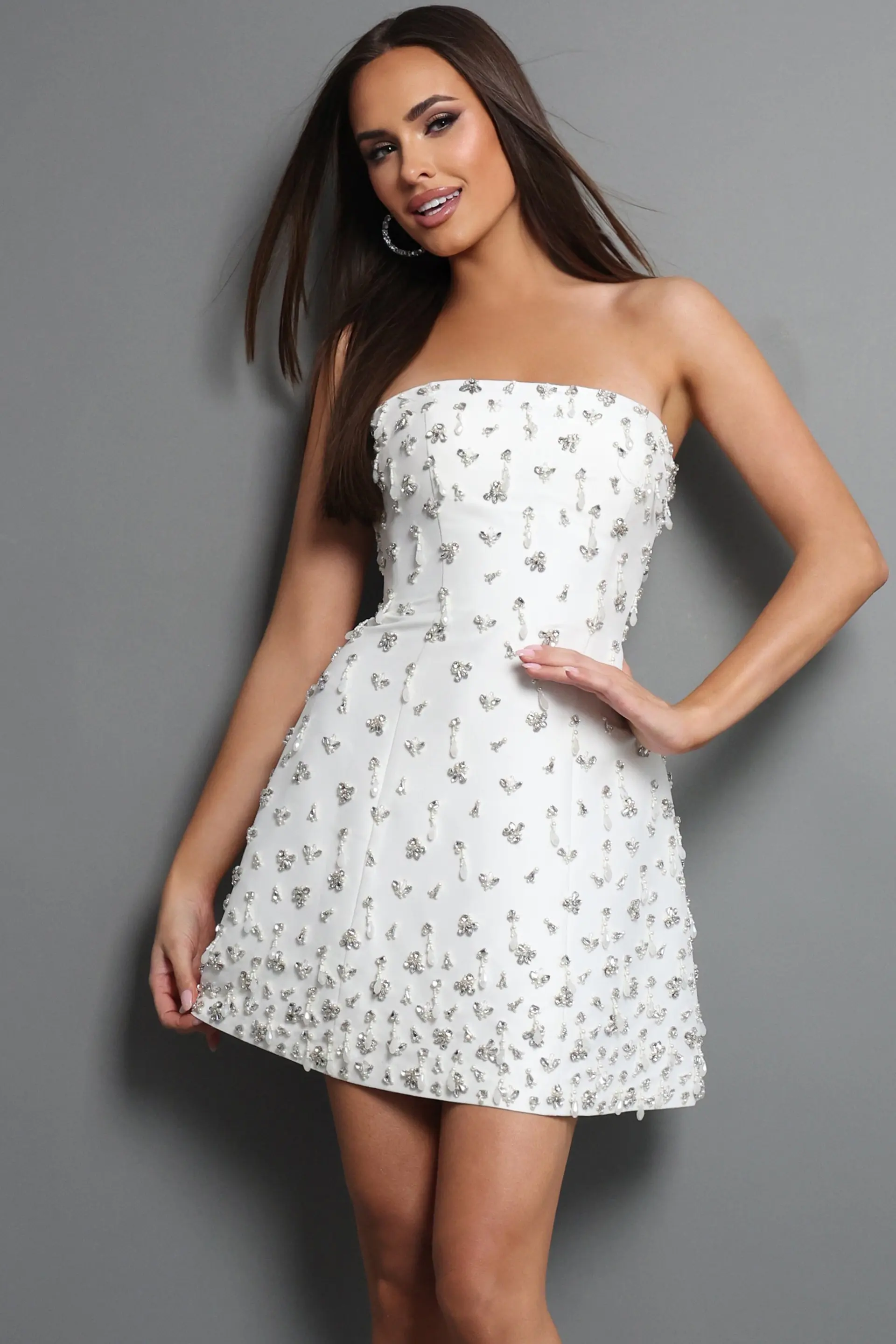
Crystal Embellished A Line Mini Dress 51615
2 Colors
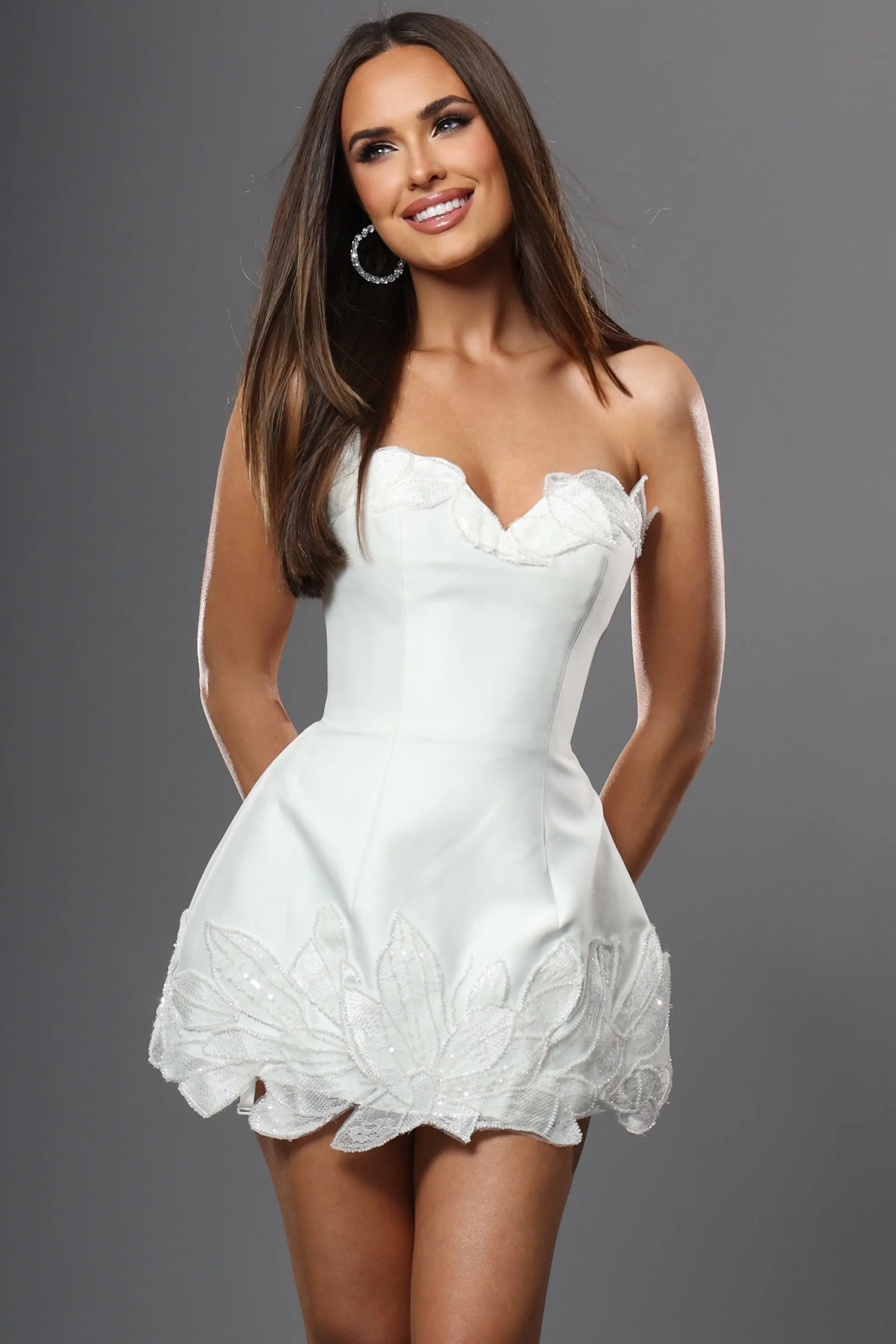
Strapless Beaded Mini Dress 49592
1 Colors
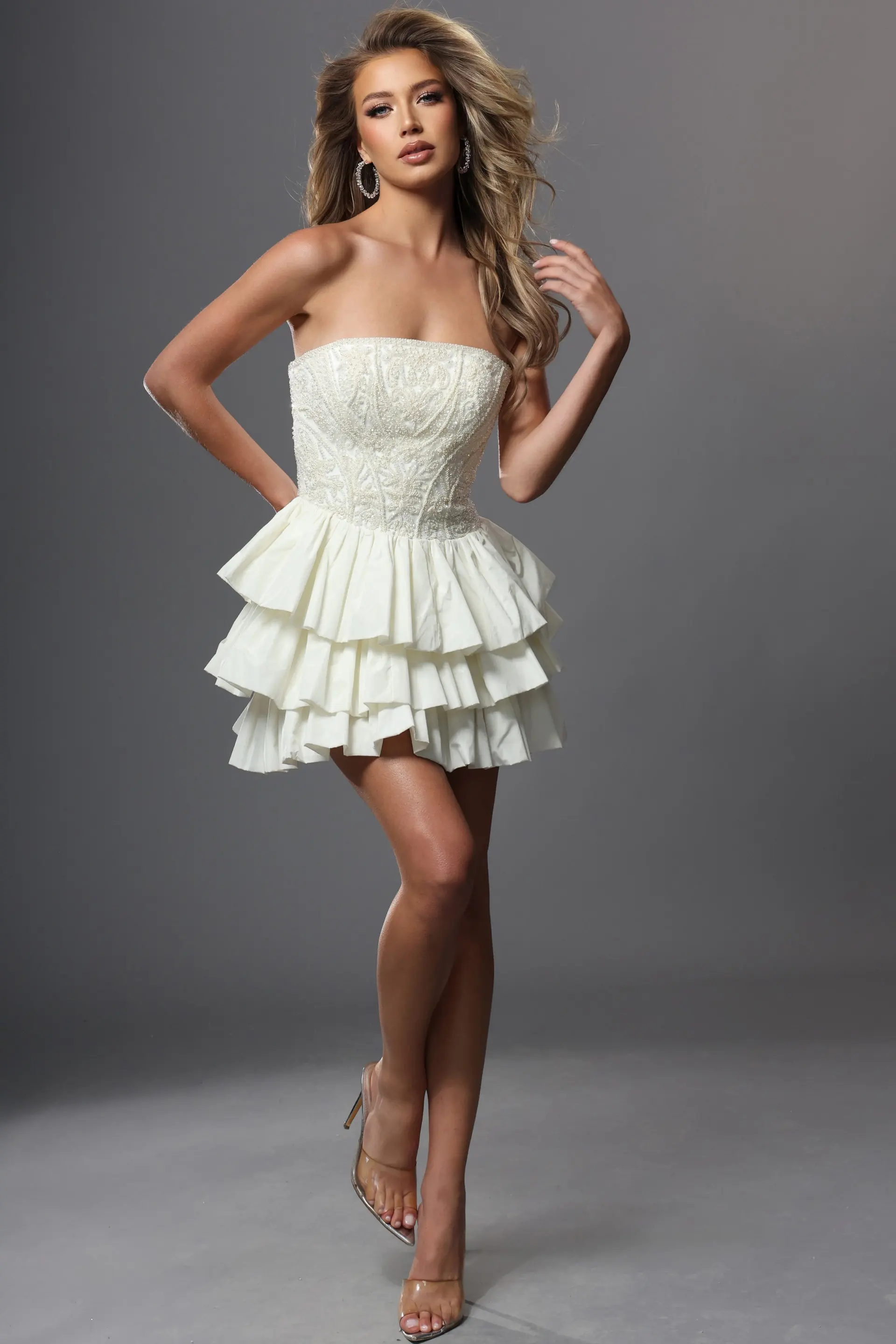
Tiered Ruffle Fit And Flare Mini Dress 46972
About This Category
Welcome to Jovani's exclusive collection of cake cutting dresses, designed to make your special moments even more memorable. Whether you're celebrating a wedding, an engagement, or any joyous occasion, our dresses combine elegance, style, and comfort. Our selection features a variety of styles, from classic to contemporary, ensuring every bride or celebrant finds the perfect dress. With intricate lace details, luxurious fabrics, and flattering silhouettes, these dresses are crafted to make you shine. Explore our range and find the dress that perfectly complements your unique taste and the joyous spirit of your celebration.
Cake Cutting Dresses for a Distinct Bridal Second Look
A cake cutting dress works best when it feels intentional rather than simply shorter than the ceremony gown. The change usually happens after the most formal part of the day, so the dress can introduce a sharper proportion, more visible texture, or a playful finish while keeping enough structure for photographs. Jovani’s assortment includes fitted minis, fit-and-flare shapes, midi columns, two-piece looks, and selected longer styles, giving the category more range than a single “party dress” formula. Brides who want the change to continue through dancing can compare Wedding Reception Dresses as a broader route into second-look silhouettes.
Mini, Midi, and Longer Proportions
Hemline changes how the second look reads immediately. A mini places more emphasis on the legs, shoes, and overall energy of the outfit, especially when paired with a structured strapless bodice, bubble hem, ruffle, or sculptural flower. Midi dresses create a more measured transition from ceremony formality to reception ease; fitted columns and fit-and-flare shapes keep the line polished while reducing the visual weight of a full bridal gown. A longer cake cutting look can still feel distinct when it removes the train, reduces skirt volume, or uses a cleaner fabric. For brides who know they want a shorter bridal silhouette specifically, Short Wedding Dresses offer a useful comparison without shifting the focus of this collection away from the cake-cutting moment.
Structure That Stays Secure Through the Celebration
A second dress may be lighter than the ceremony gown, but the bodice still needs to stay secure through standing, sitting, hugging guests, cutting the cake, and moving onto the dance floor. Strapless styles benefit from defined internal structure and a close, stable fit through the bust and waist. Fitted minis and midis should follow the body without pulling across the hip or riding upward with movement. Fit-and-flare shapes create more room through the skirt while keeping waist definition. These construction differences matter because a dress that photographs well at the start of the change should maintain its intended silhouette as the evening becomes more active.
Lace, Florals, Beading, Sequins, and Feathers
Surface detail is one of the easiest ways to make the cake-cutting look feel separate from the ceremony gown. Lace can keep the connection to traditional bridal dressing while a shorter hem changes the mood. Three-dimensional floral appliqué adds volume around the bodice or skirt without requiring a full gown shape. Pearls, crystals, fringe, and sequins introduce movement and reflected light, while feather trims can make the hemline more animated in photographs and on the dance floor. The key is placement: concentrated embellishment at the bodice emphasizes the waist and neckline, while detail at the skirt or hem changes the way the dress moves. Brides planning white looks across multiple wedding events may also compare Rehearsal Dinner Dresses while keeping the cake-cutting outfit reserved for the wedding-day transition.
Choosing Contrast With the Ceremony Gown
The second look does not need to repeat the first dress in miniature. A structured satin or Mikado ceremony gown can be followed by lace, beading, floral appliqué, or a sleek fitted mini. A ceremony dress with heavy embellishment may pair more naturally with a cleaner white midi or sculpted short silhouette. Neckline can create contrast as well: a high or covered ceremony bodice can shift to strapless, sweetheart, off-the-shoulder, or halter construction later in the evening. Compare contrast deliberately so the two looks feel related through color or finish while serving different parts of the schedule.
Fit, Movement, and the Timing of the Change
Before choosing a cake cutting dress, consider when the change will happen and what comes immediately after it. If the dress will be worn for cake photos, guest interaction, and dancing, check how the neckline stays in place when the arms move, whether the skirt allows a comfortable stride, and how the fabric responds when sitting. A mini with a rigid bodice creates a different experience from a softer fit-and-flare style or fitted midi, even when the dresses share similar embellishment. Starting with the wider Wedding Dresses collection can also help clarify how much contrast you want between the ceremony gown and the later look. Jovani’s cake cutting styles are most useful when the change supports the timeline of the celebration as clearly as it changes the silhouette.