Beaded Wedding Dresses: Placement Changes the Silhouette
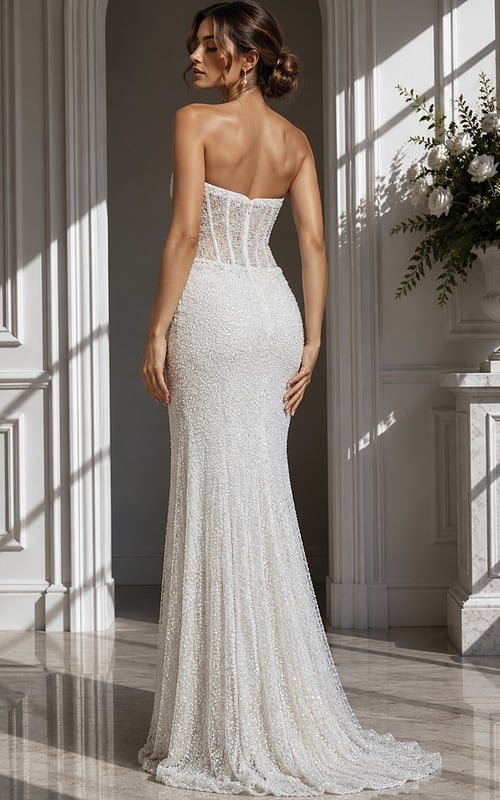
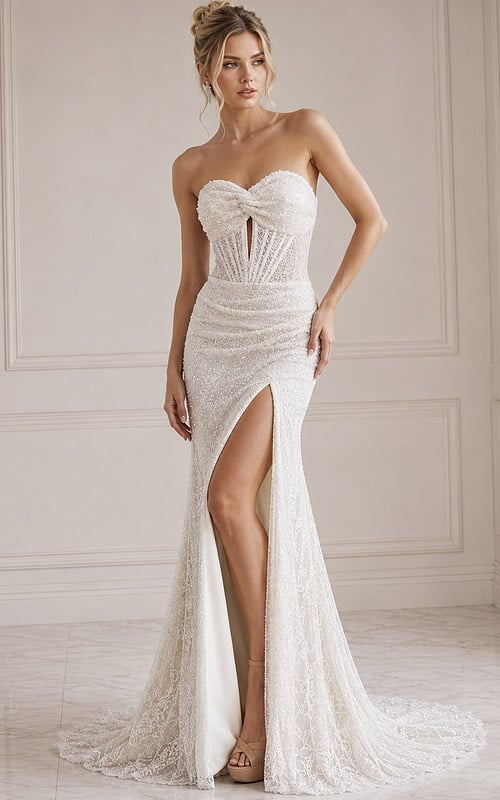
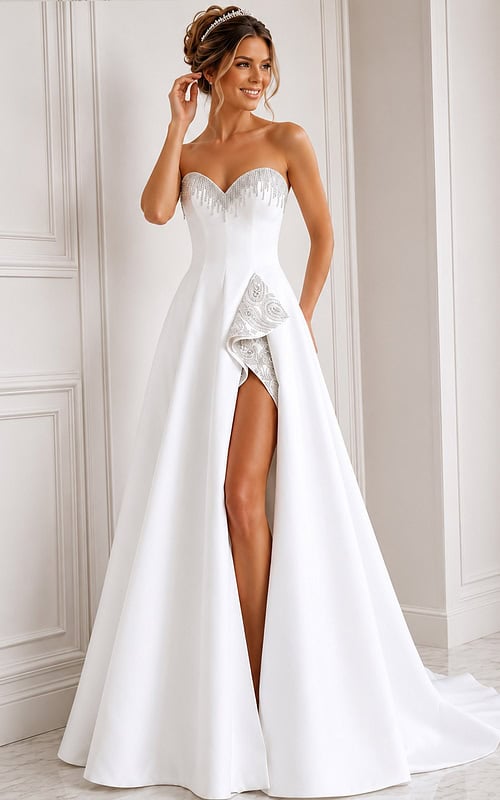
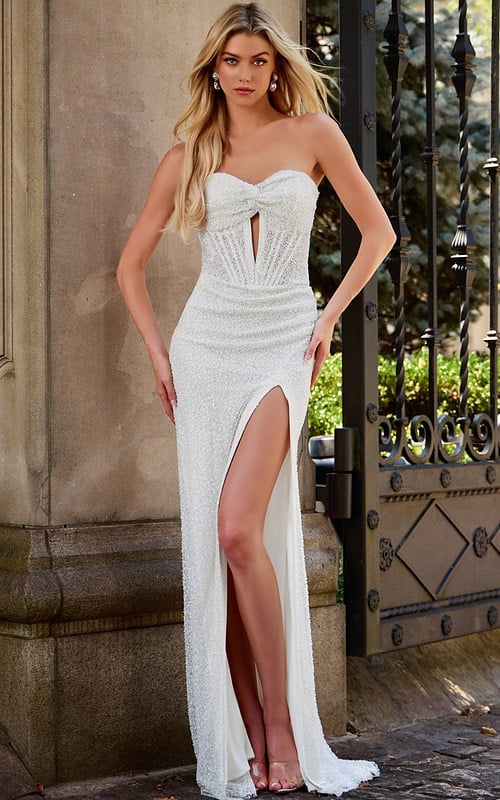
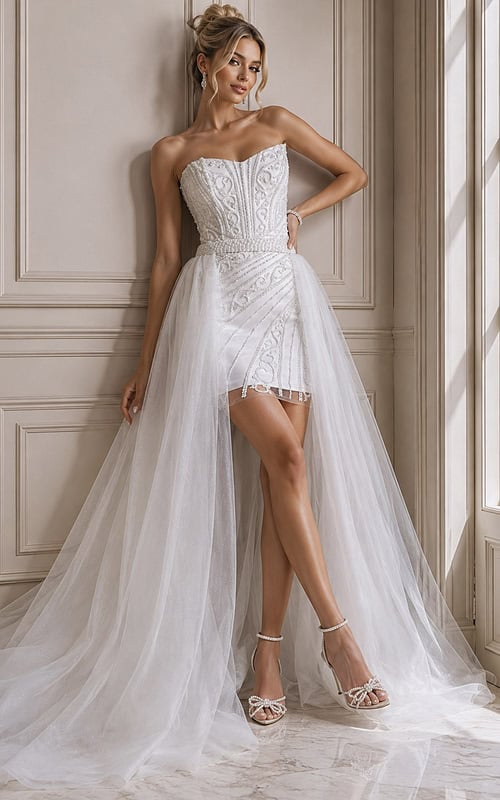
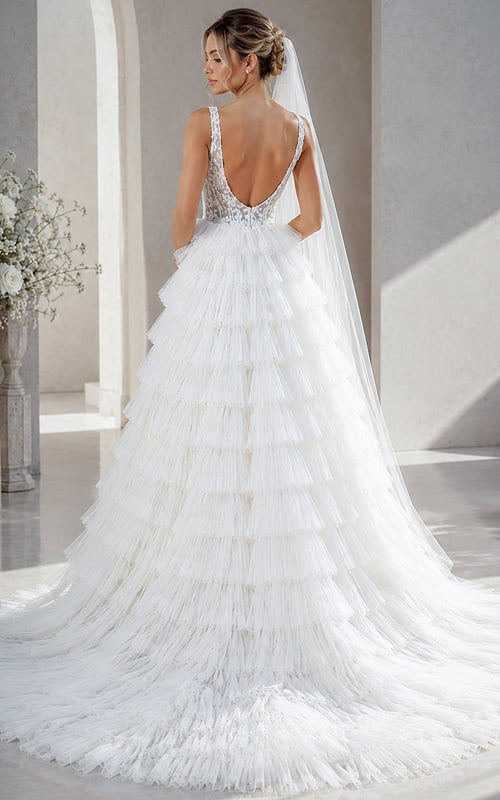
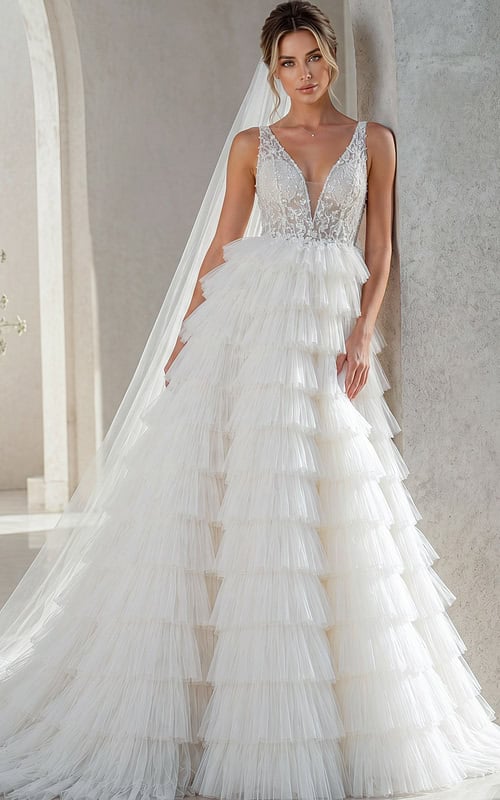
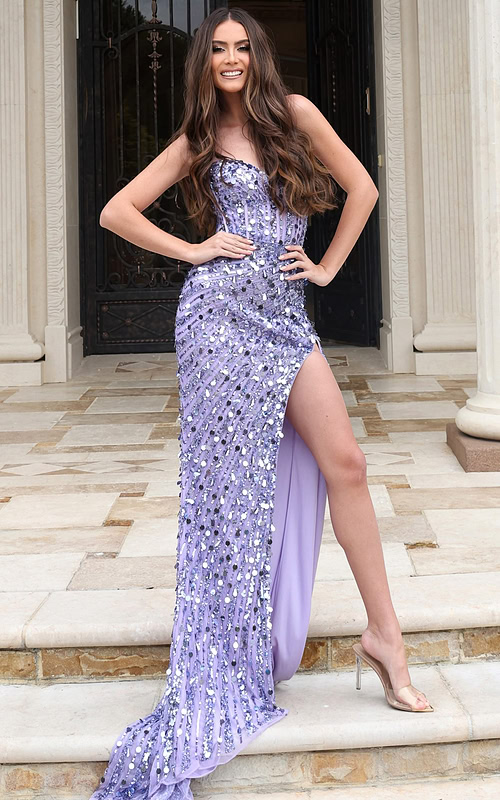
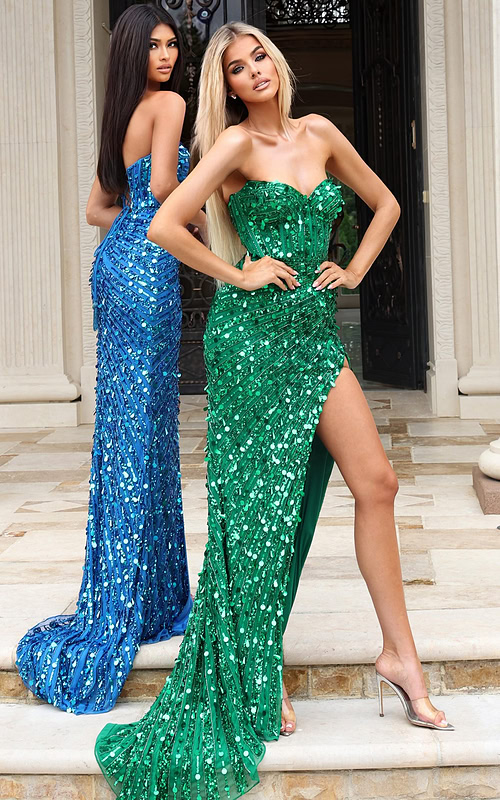
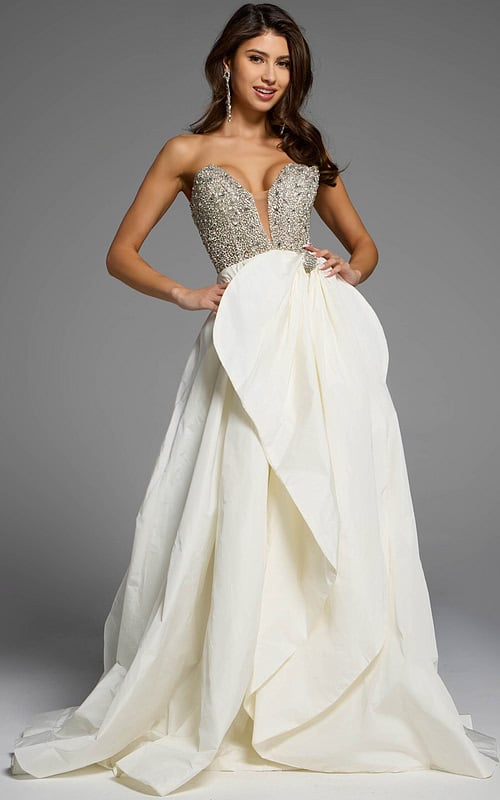
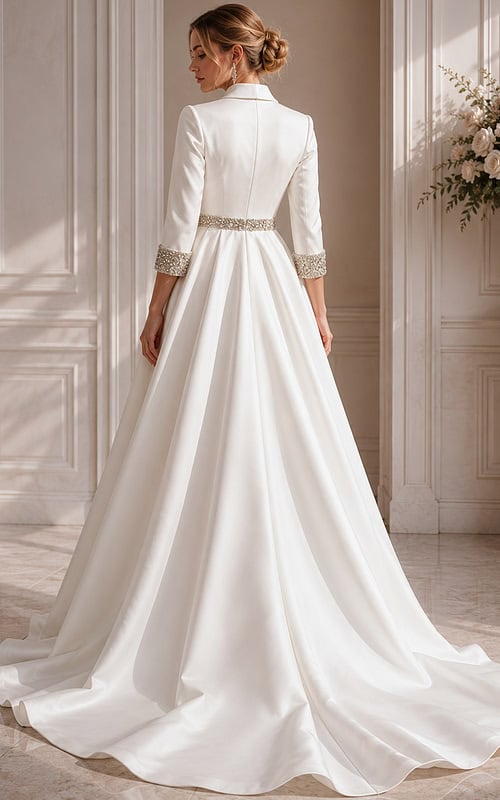
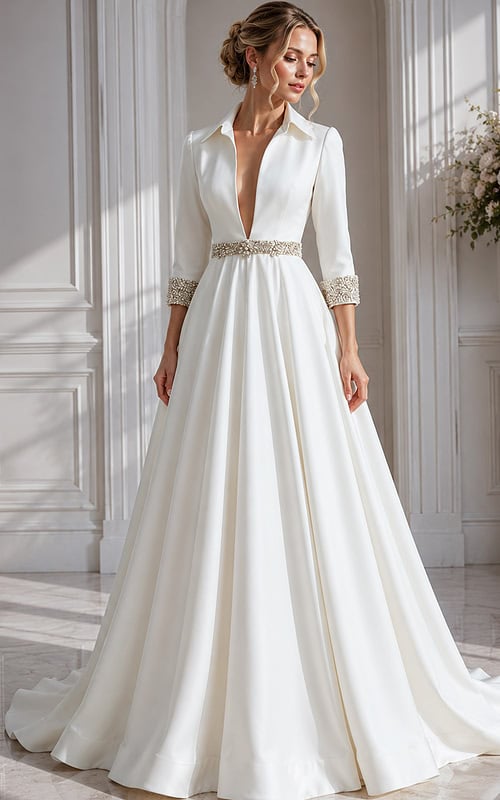
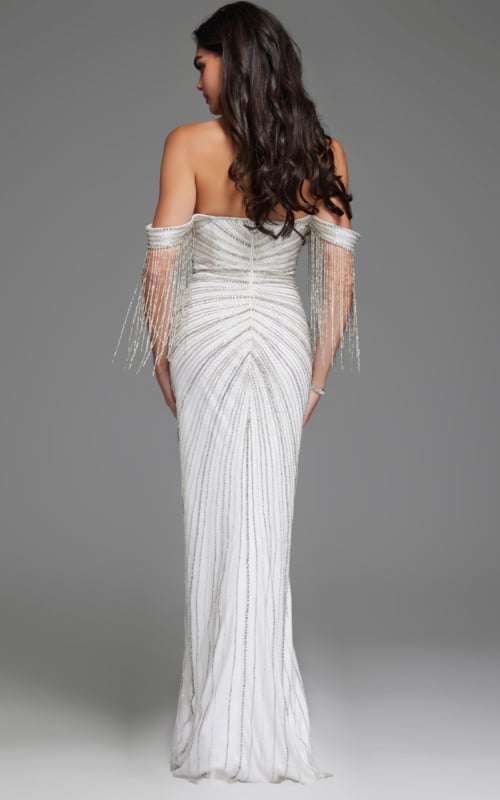
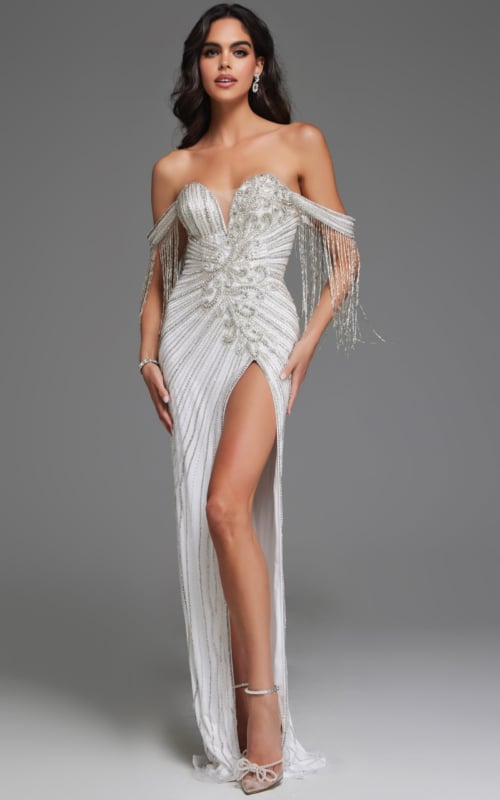
The amount of beadwork matters, but where it sits on the gown often has a greater effect on proportion. Dense crystals across a structured bodice can sharpen the waist and draw attention upward, while vertical bead patterns can reinforce length through a fitted shape. Scattered pearls or tonal beads create a quieter surface, allowing the underlying silhouette to remain dominant. A beaded wedding dress with concentrated embellishment through the neckline or corset can feel more architectural, while all-over beading gives the surface itself a stronger role in the design. When comparing styles, look at the transition point between heavily detailed areas and cleaner fabric; this is often what determines whether the gown reads as balanced or visually dense.
Crystal, Pearl, and Sequin Finishes
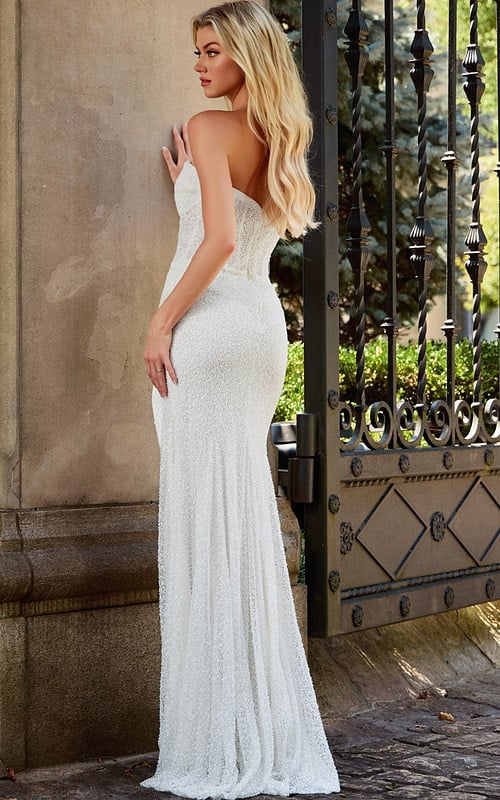
Different embellishments reflect light in different ways. Faceted crystals create sharper flashes, especially under evening lighting and photography. Pearls produce a softer, more diffuse glow and can add texture without the same level of brilliance. Sequins reflect light across a wider surface and create more visible movement when the skirt shifts. Tonal seed beads may be less reflective but add depth to embroidery, lace, or mesh. The finish also changes depending on scale: larger stones create stronger focal points, while finer beadwork forms patterns that are more noticeable at close range. Brides who want a restrained effect can look for crystal edging, pearl accents, or selective appliqué rather than full-coverage embellishment.
How Fabric Changes the Look of Beading
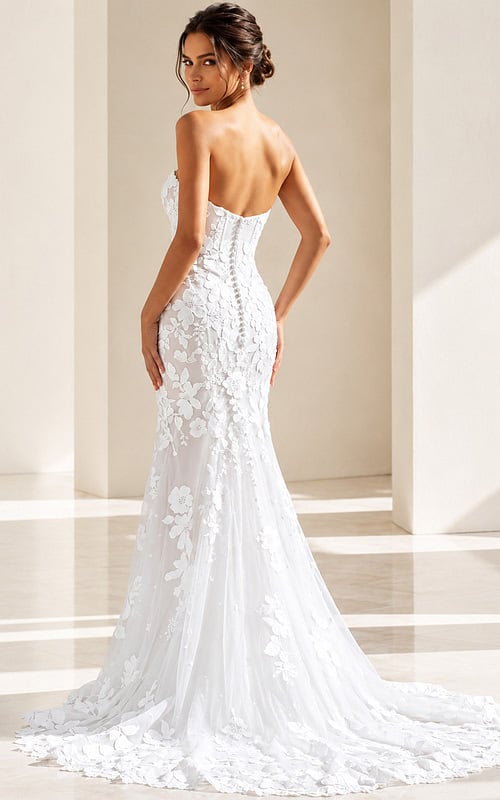
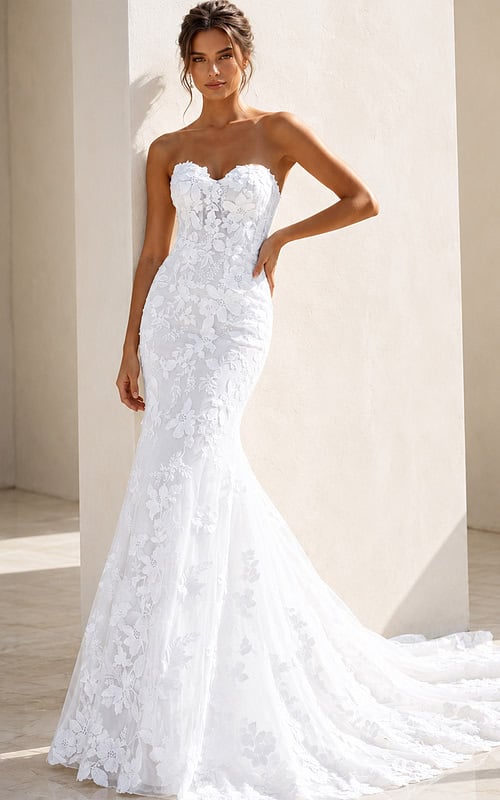
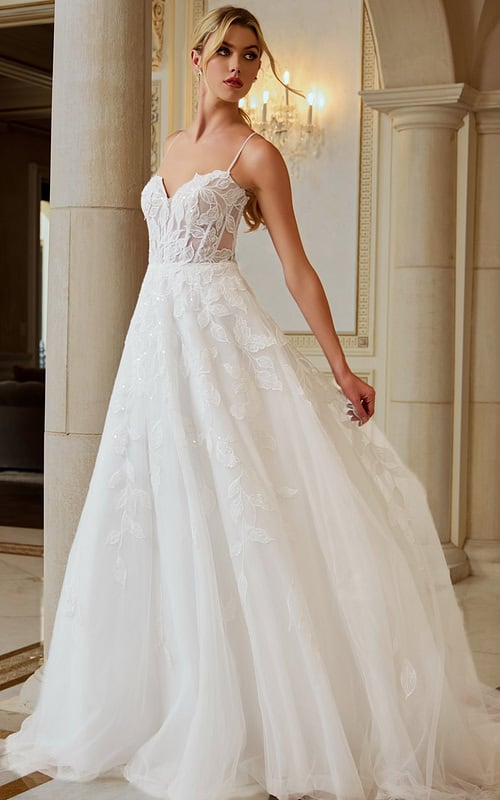
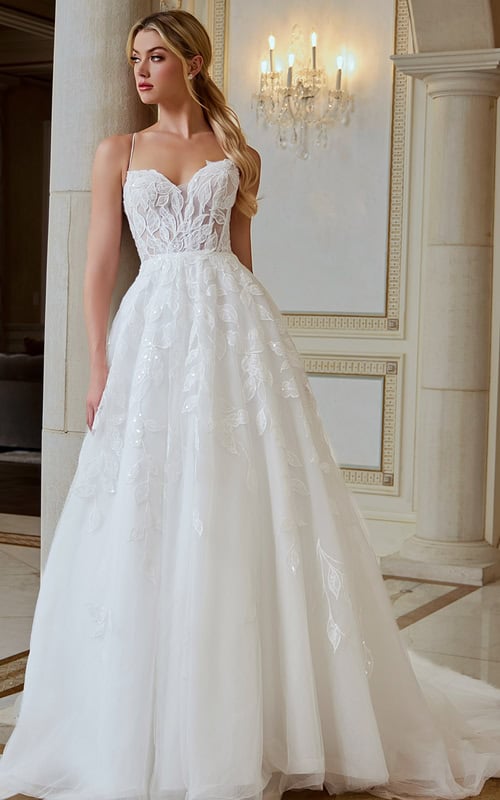
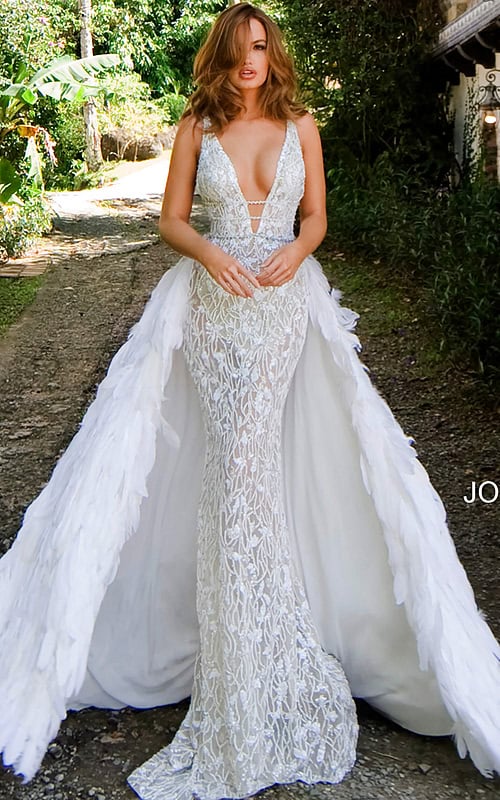
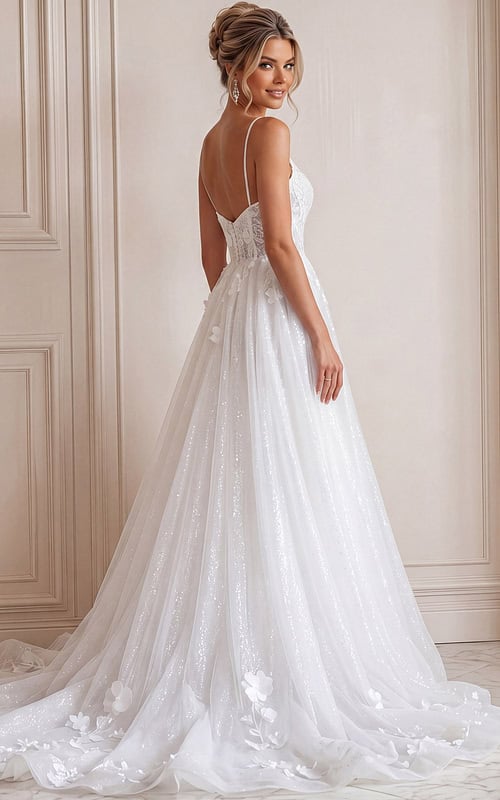
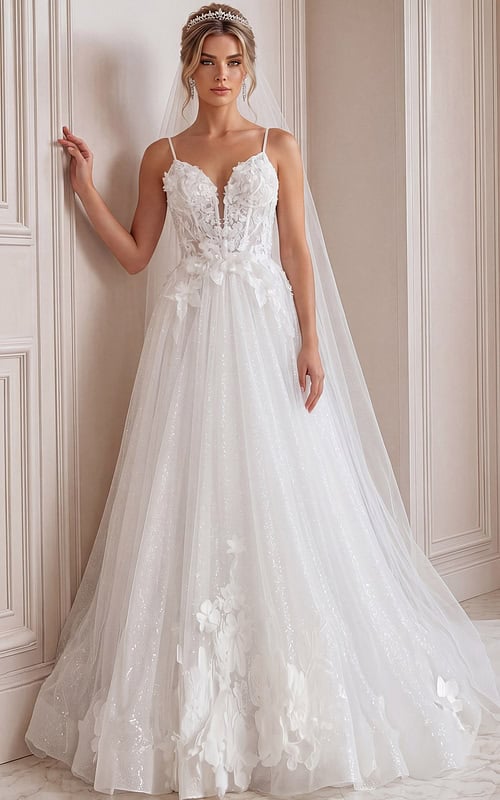
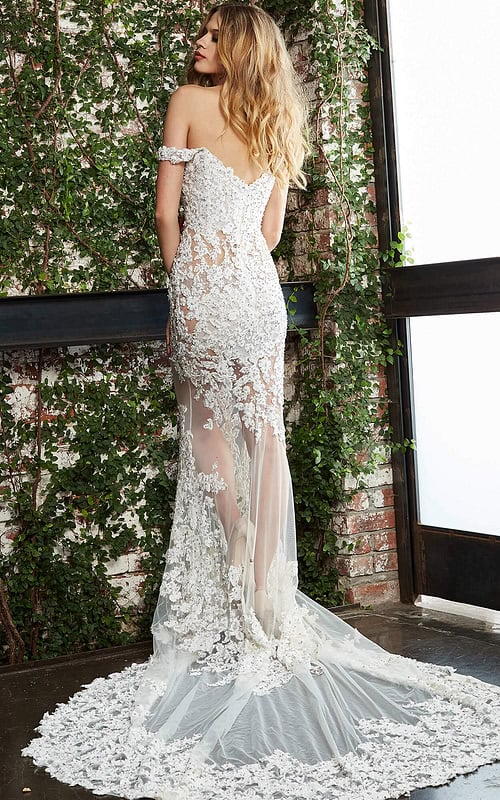
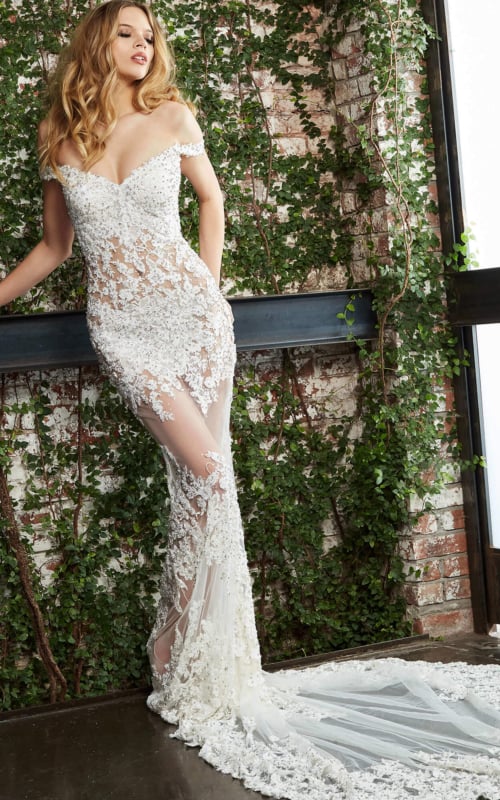
The base fabric determines how beadwork sits, moves, and reads from a distance. Tulle and fine mesh allow crystals and pearls to appear suspended over the body, making them especially effective on illusion panels, sheer corsetry, and layered skirts. Across Lace Wedding Dresses, beadwork can highlight floral motifs or embroidered contours instead of creating a separate pattern. Satin and crepe provide a cleaner backdrop, which makes even modest embellishment more visible. A smooth satin skirt paired with a beaded corset creates a clear contrast between surface detail and polished structure, while an embellished lace gown produces a richer, more continuous texture.
Support and Fit in a Beaded Bridal Gown
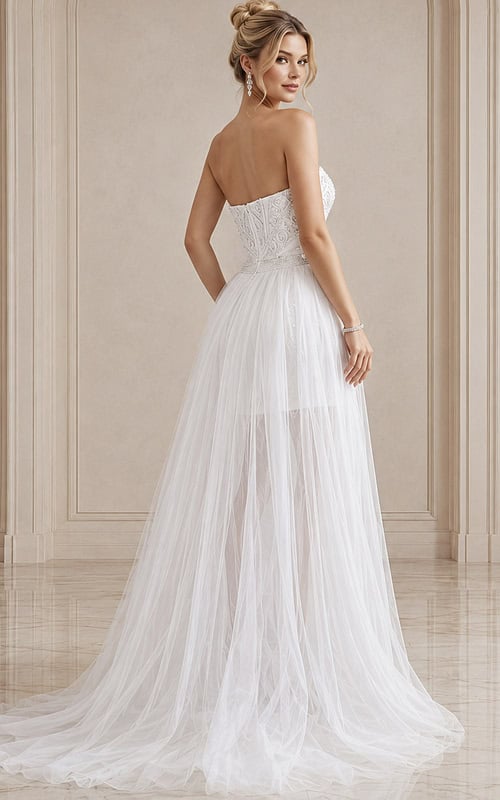
Beading adds physical weight, so fit and internal construction deserve closer attention than they might on an unembellished gown. Strapless Wedding Dresses need a secure bodice with enough support to keep the neckline positioned correctly throughout the day, especially when crystals or pearls add weight near the bust. Boning, cups, lining, and stable seams help distribute that weight so the outer fabric does not pull or collapse. On fitted silhouettes, the embellishment pattern should follow the line of the body without distorting at the waist or hips. On fuller skirts, heavier details can change how fabric falls, so it is worth noticing whether the skirt still moves cleanly and whether the train feels manageable for the venue.
Choosing Beading for A-Line, Fitted, and Ball Gown Shapes
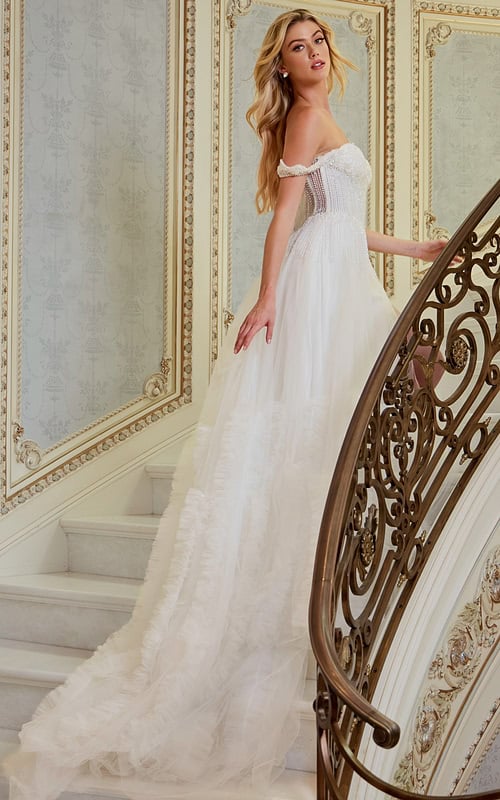
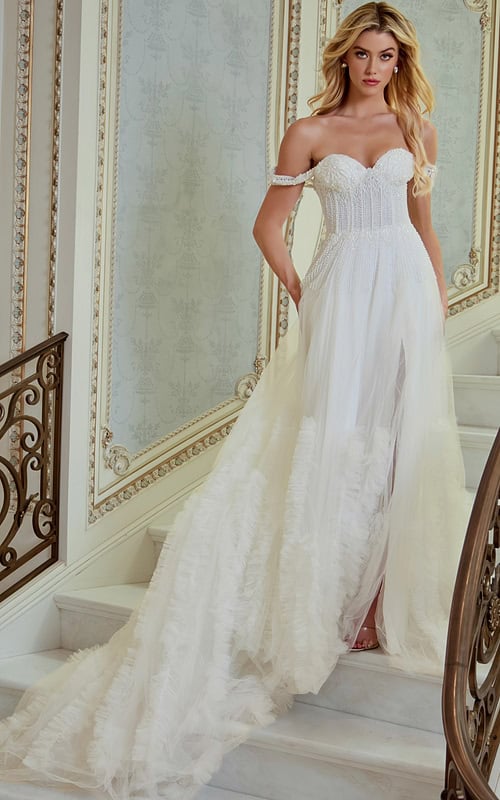
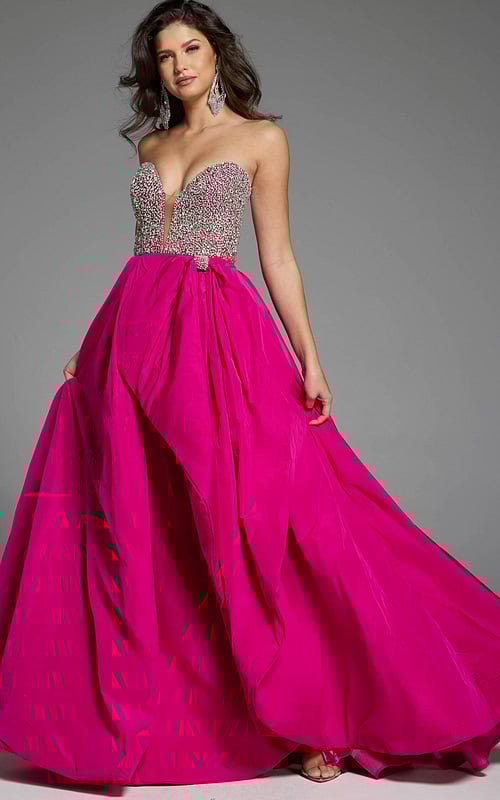
Beadwork behaves differently on each bridal silhouette. A-Line Wedding Dresses can carry concentrated detail through the bodice before releasing into a lighter skirt, creating definition at the top without adding unnecessary weight below. Mermaid Wedding Dresses make placement more visible because embellishment follows the torso and hips closely; curved motifs, vertical crystal lines, and beaded appliques can all change how the shape is read. Ball gowns provide more surface area, so a fully embellished skirt creates a noticeably more formal effect. A crystal bodice above restrained tulle or satin offers another approach, keeping volume in the skirt while limiting visual density.
Finding the Right Level of Embellishment
Choosing among beaded wedding gowns becomes easier when you separate silhouette from surface detail. Start with the shape and level of structure you want, then decide how much embellishment should influence the overall look. Fine pearl accents or transparent beads can add dimension without becoming the first thing noticed. Dense crystal work makes a stronger statement and can be especially effective on clean, controlled silhouettes. Jovani uses beadwork across bridal designs as a structural and visual detail, with placement that can frame a neckline, define a waist, trace a bodice, or continue into a train. The strongest option is the one where the embellishment supports the proportion and movement of the gown rather than competing with them.