Cocktail Dresses by Silhouette and Length
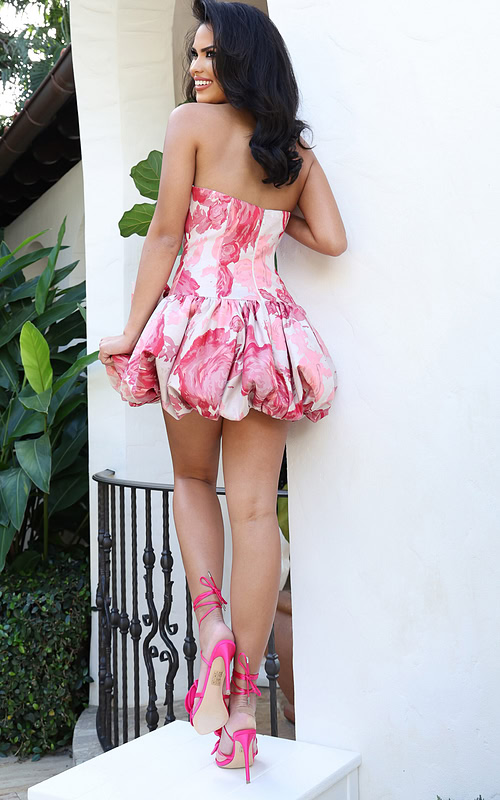
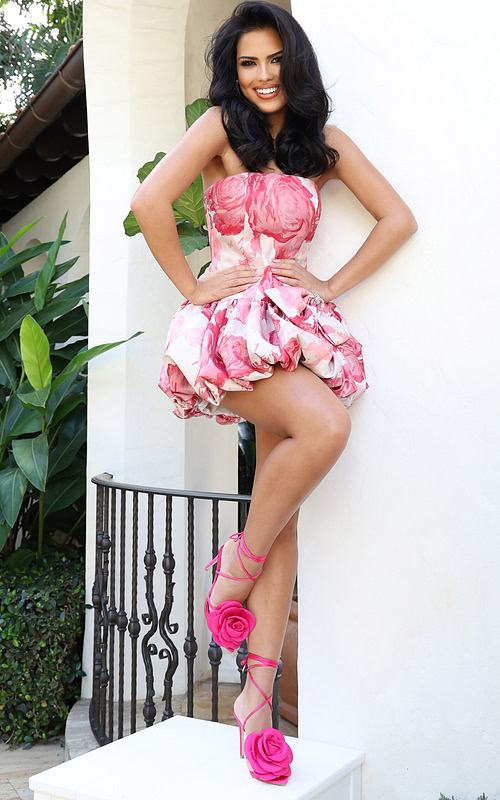
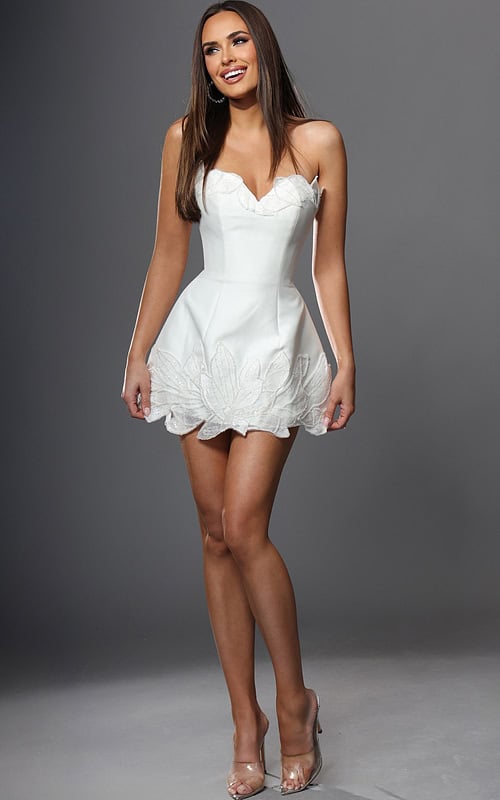
Cocktail dresses can take many forms, from close-fitting minis to softly structured midi silhouettes, so shape is usually the most useful place to begin. A fitted sheath creates a clean line through the body, while A-line and fit-and-flare styles define the waist and allow more movement through the skirt. Bubble hems, pleated minis, and sculpted skater shapes bring volume without the scale of a full evening gown.
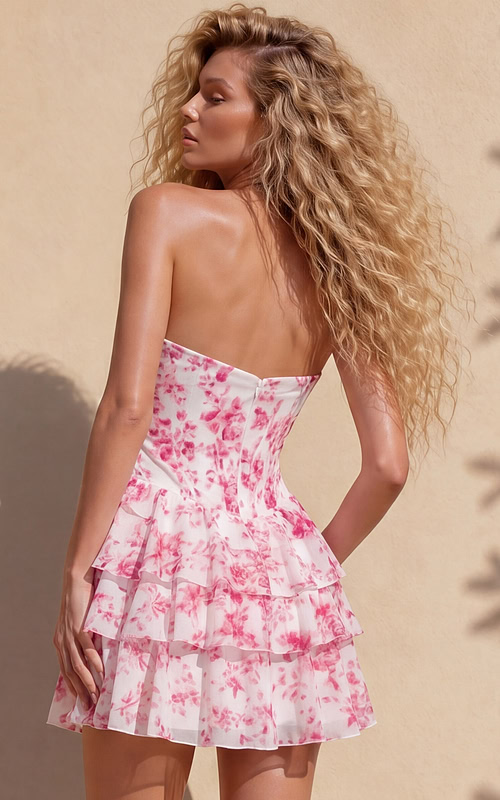
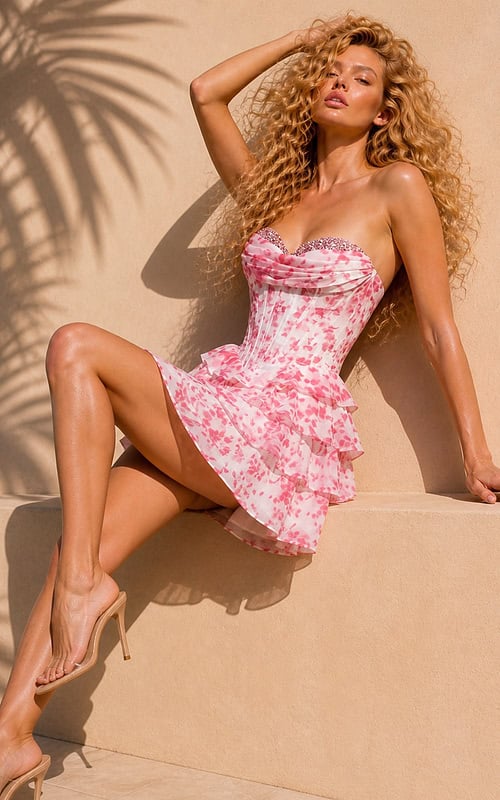
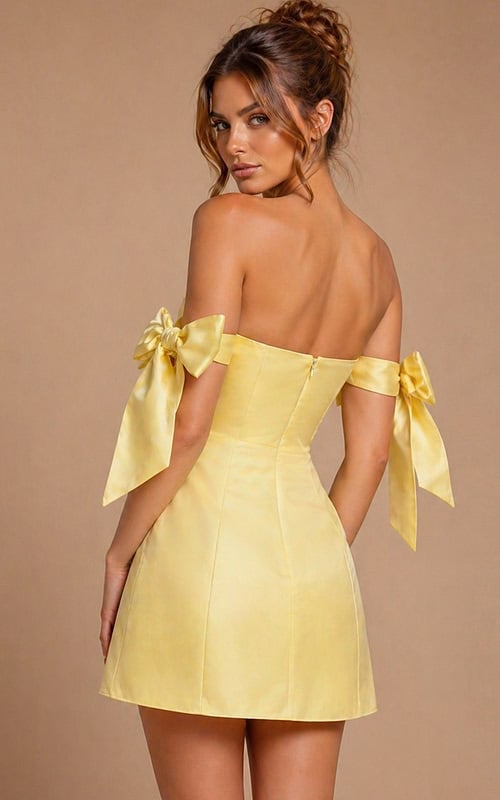
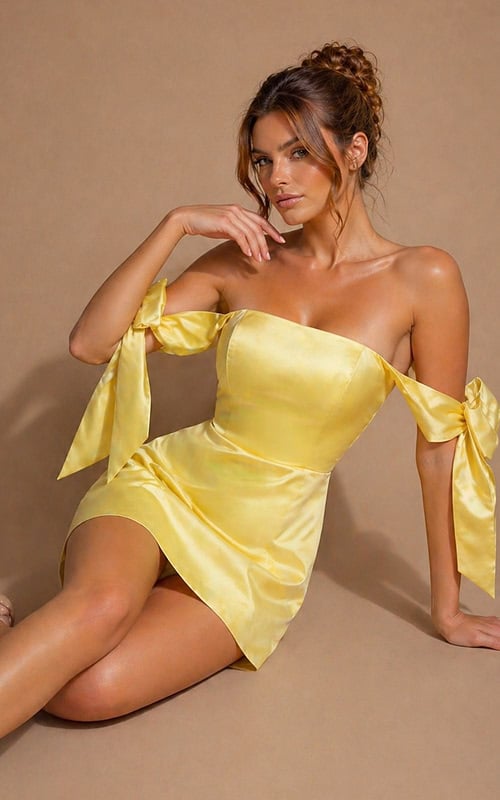
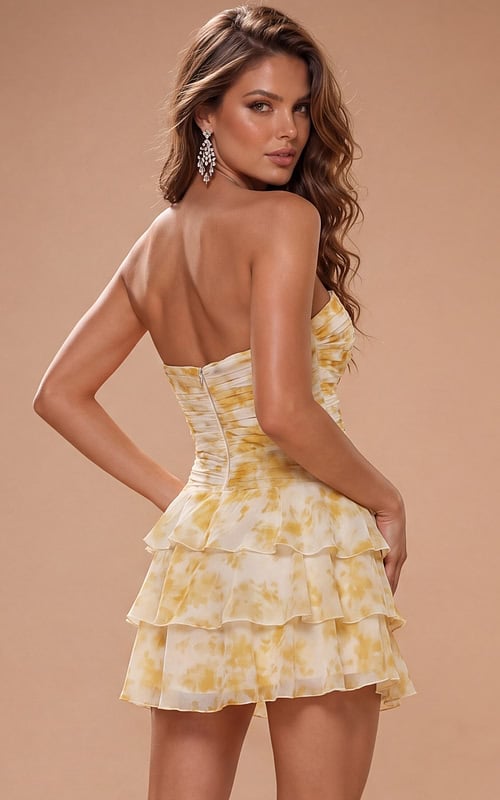
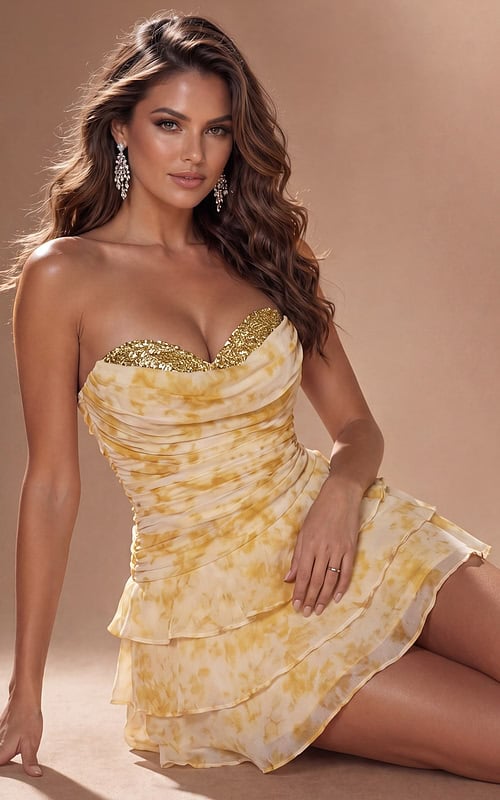
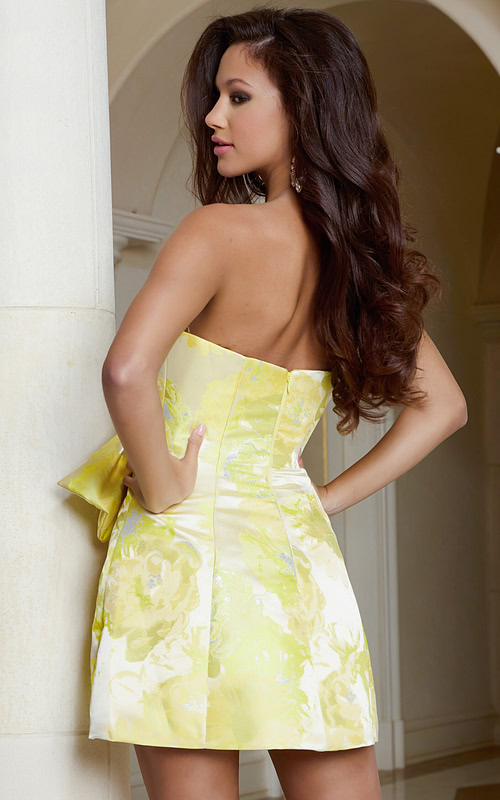
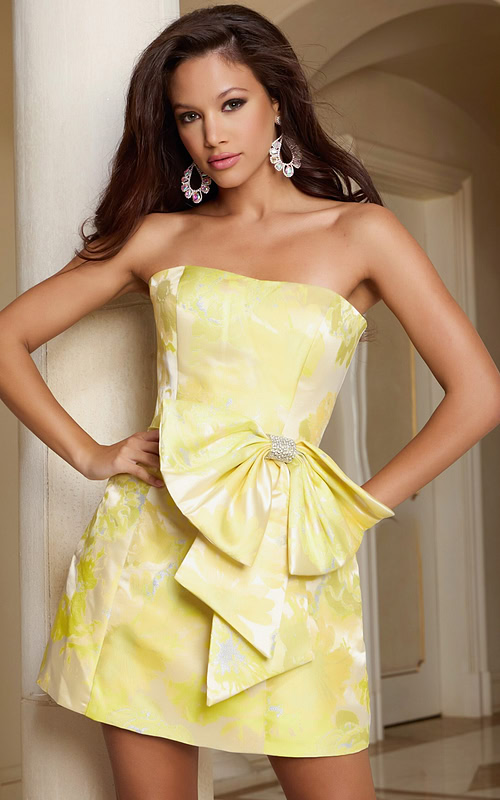
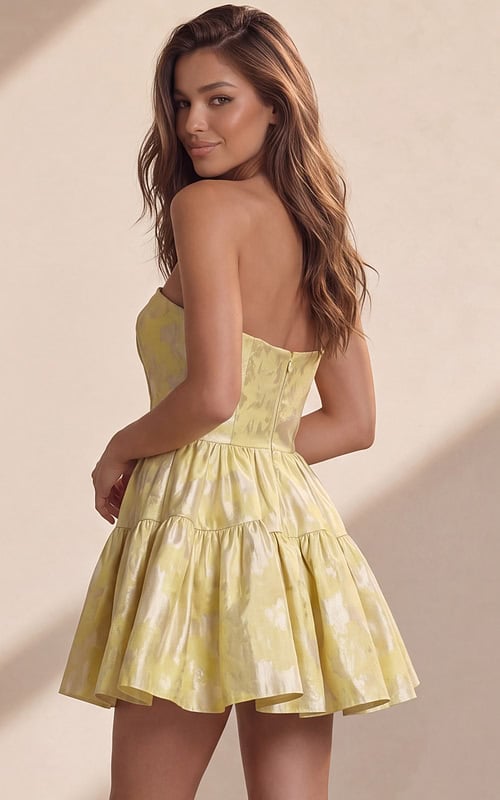
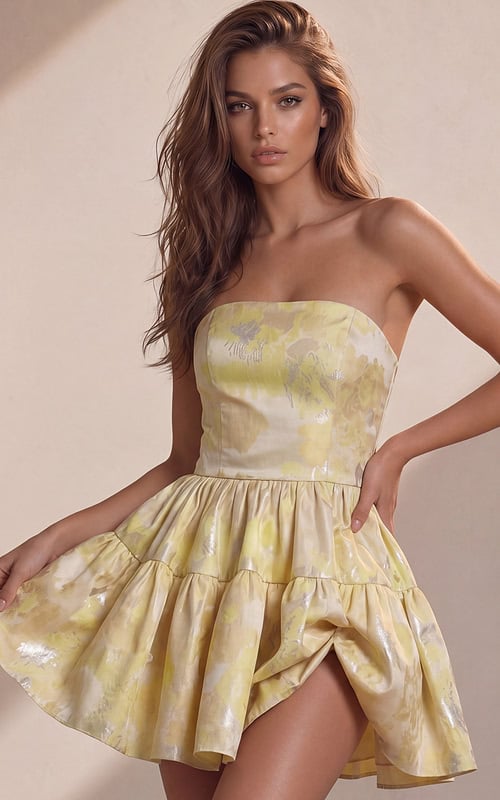
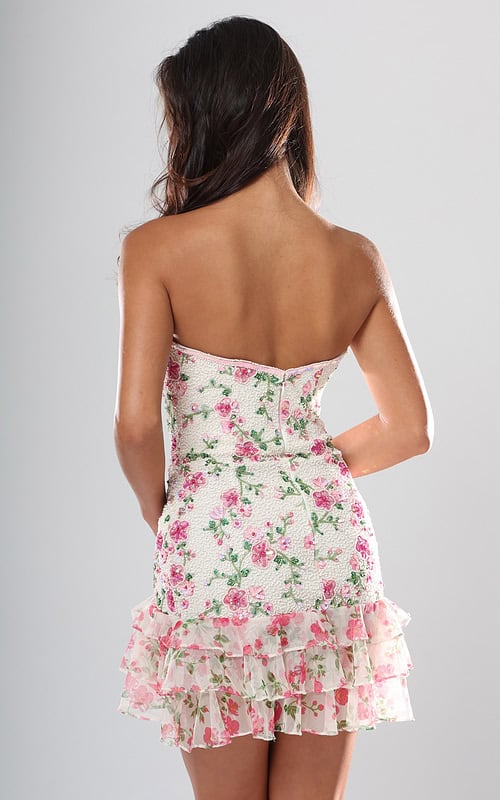
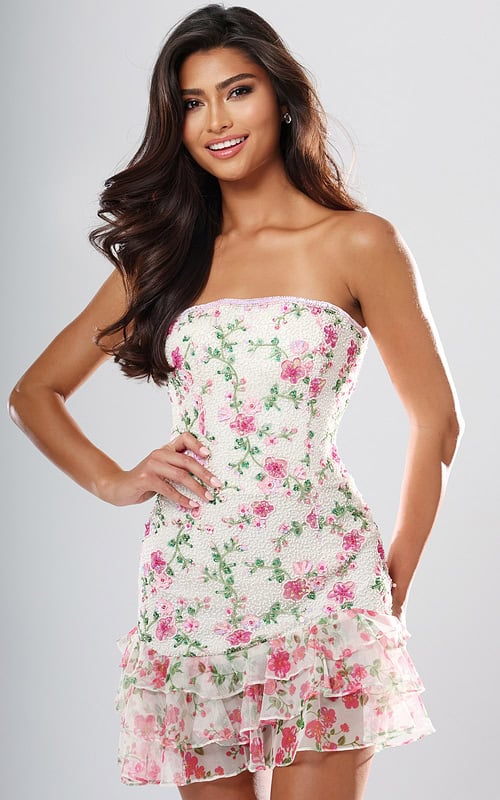
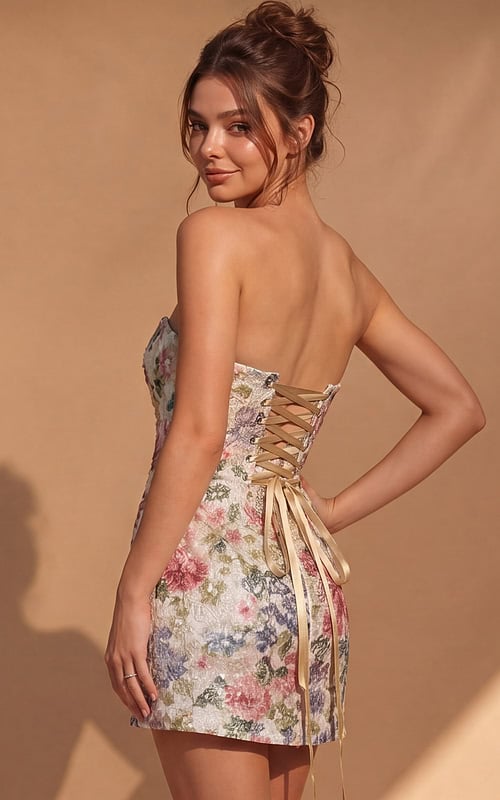
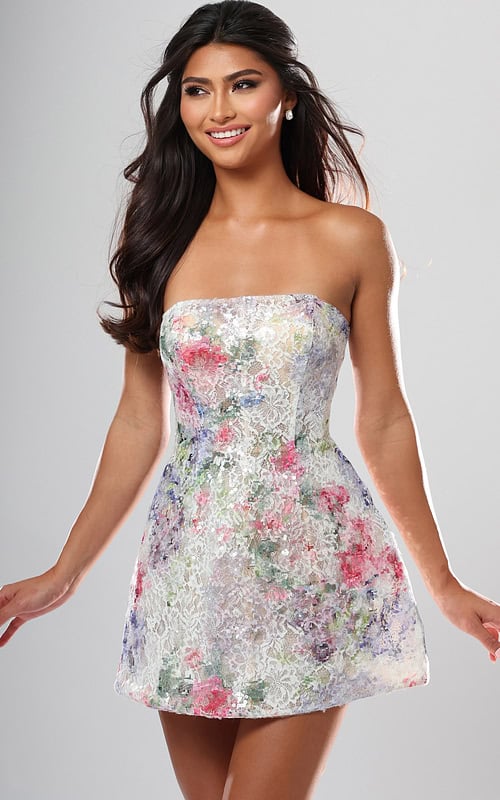
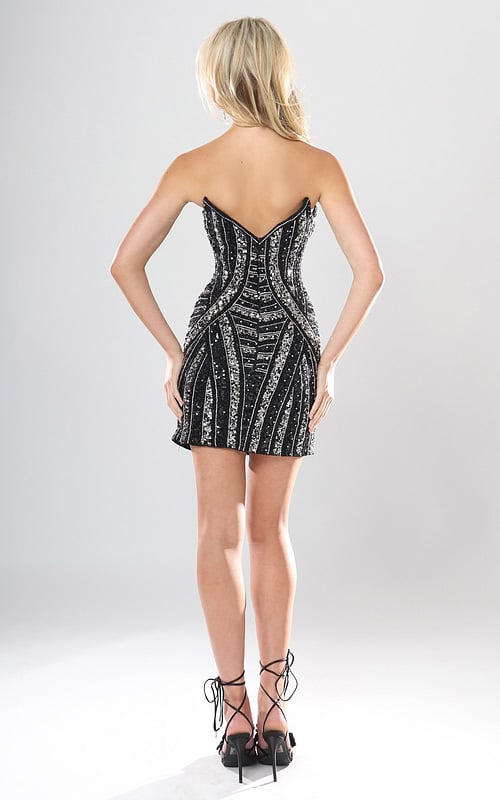
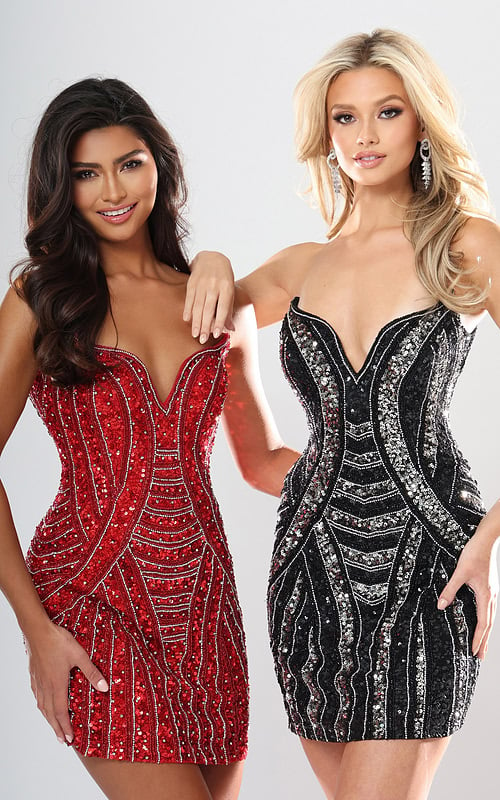
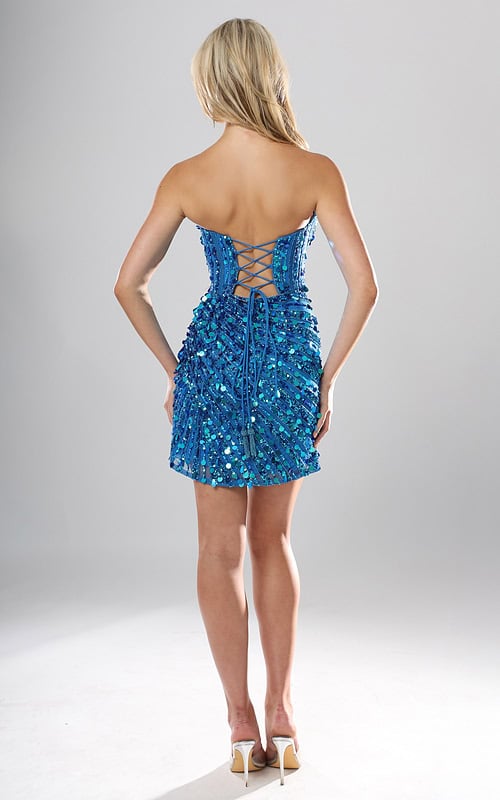
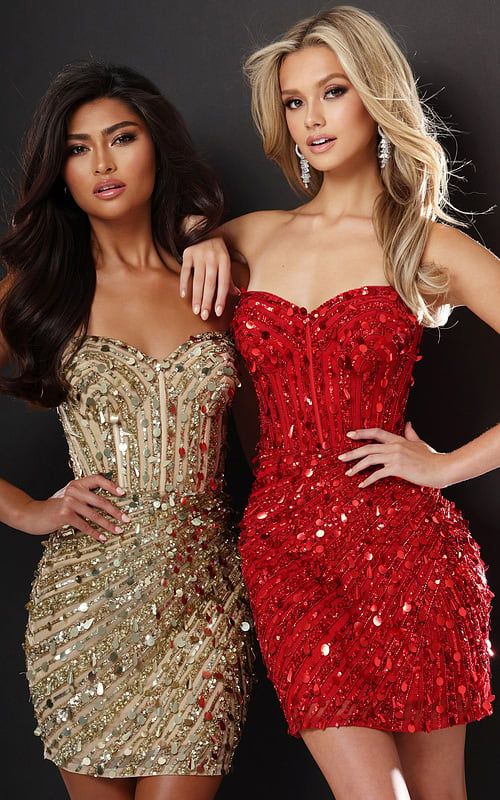
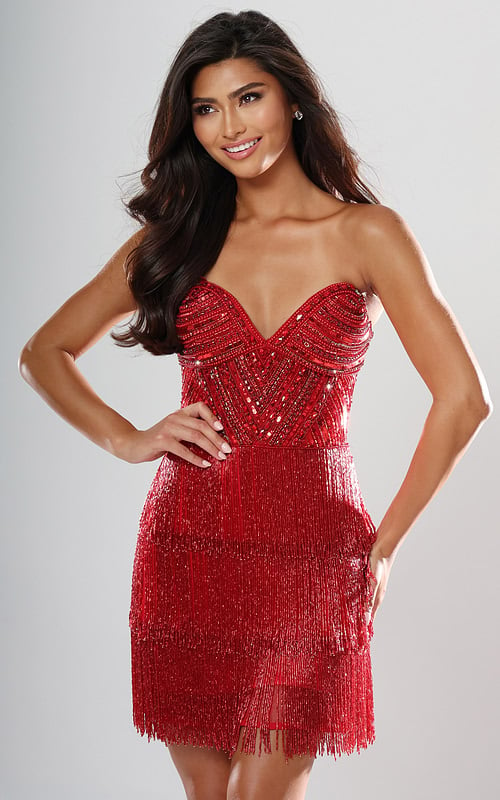
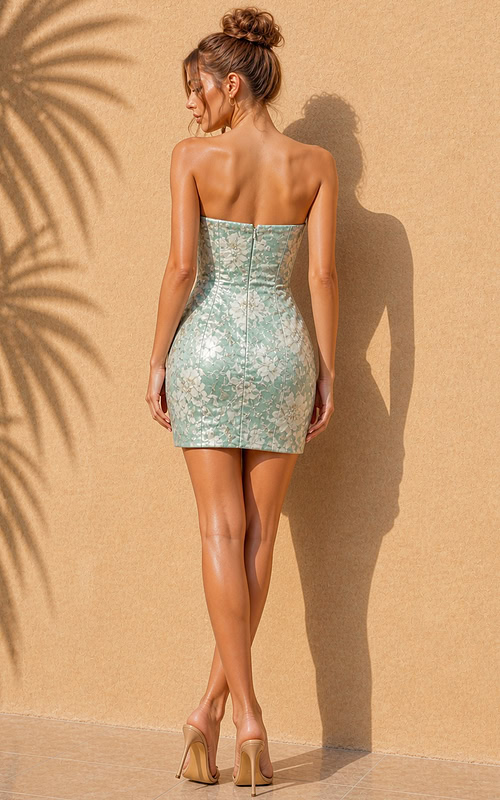
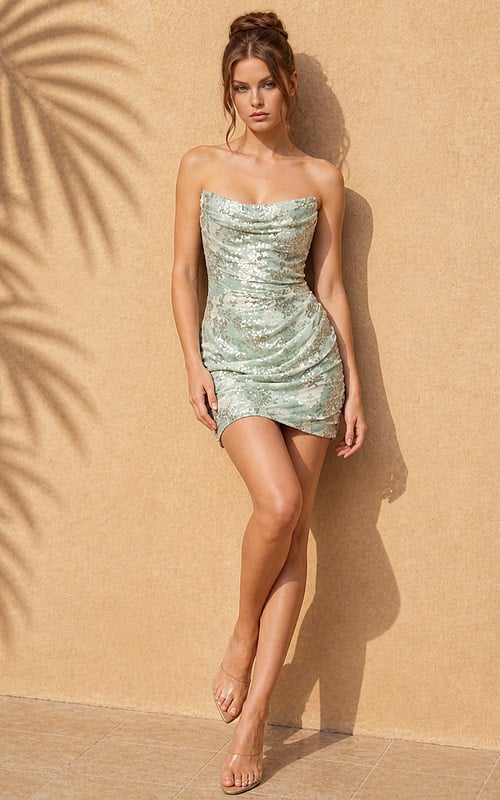
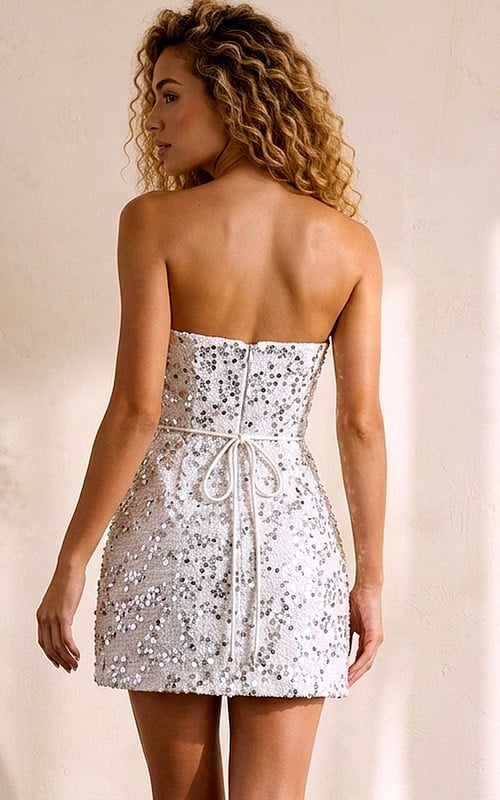
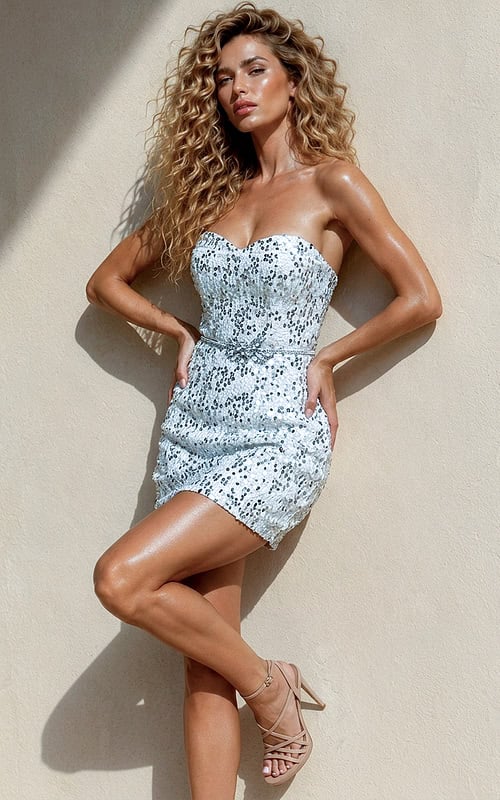
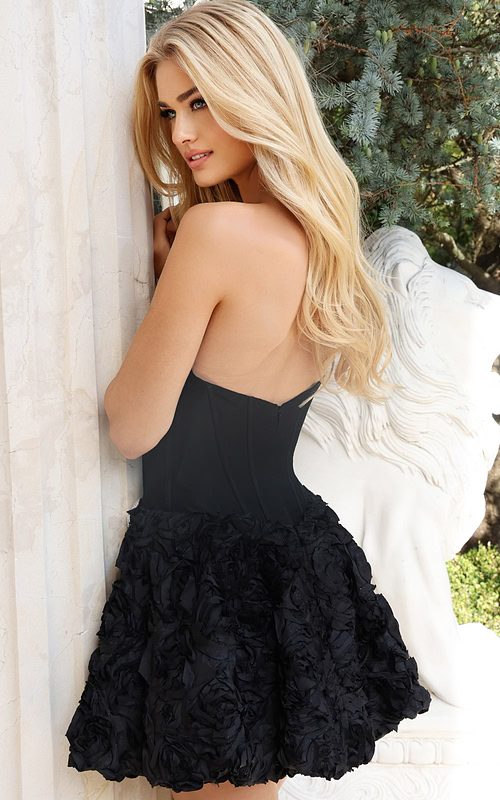
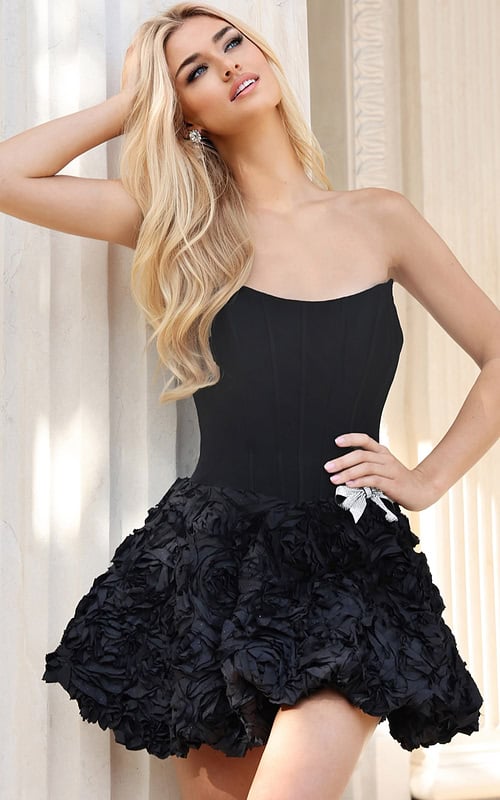
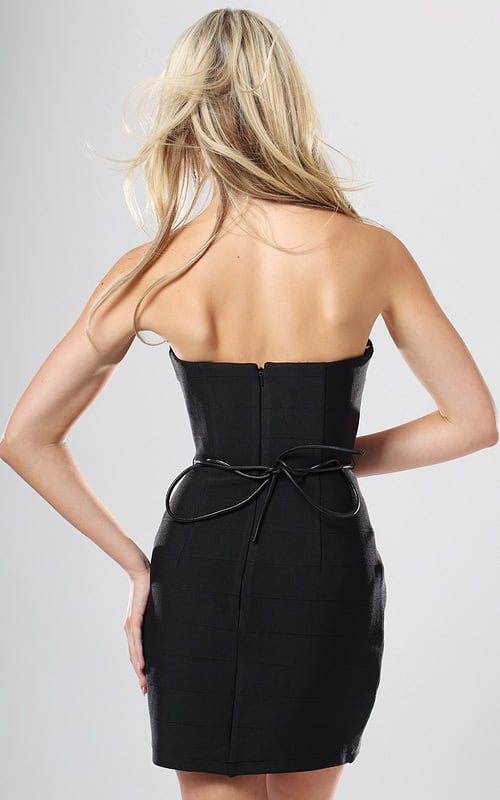
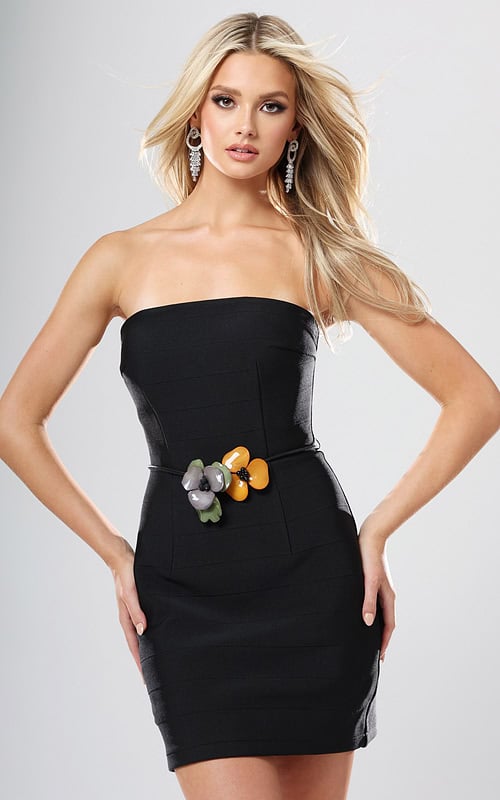
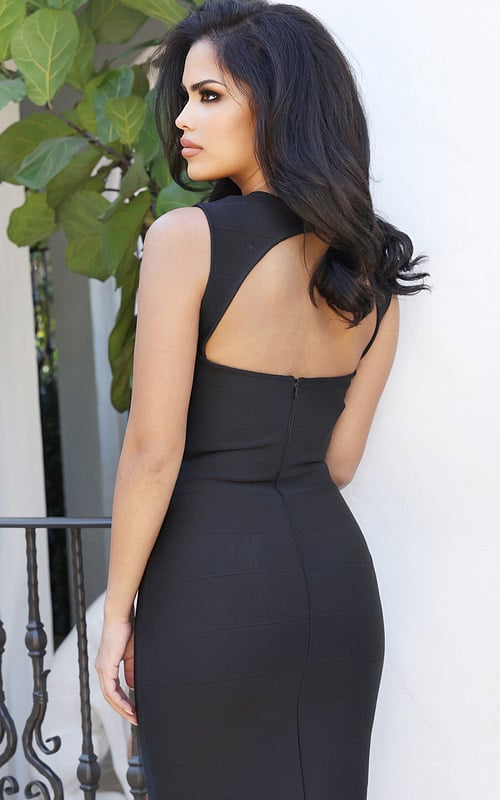
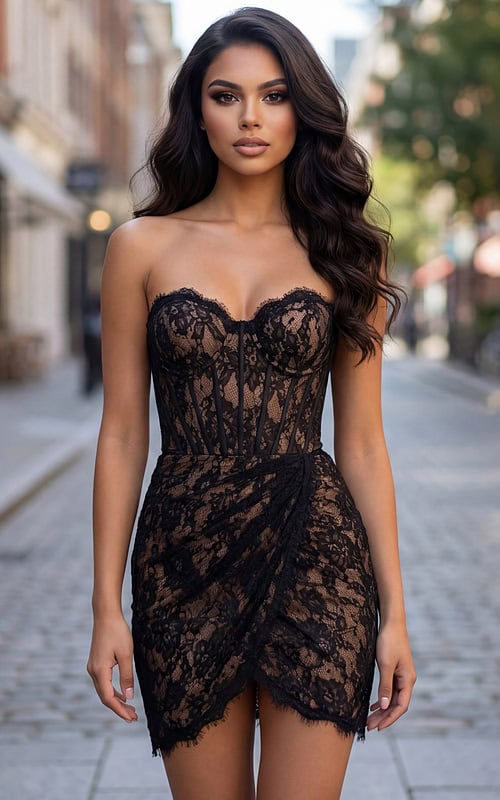
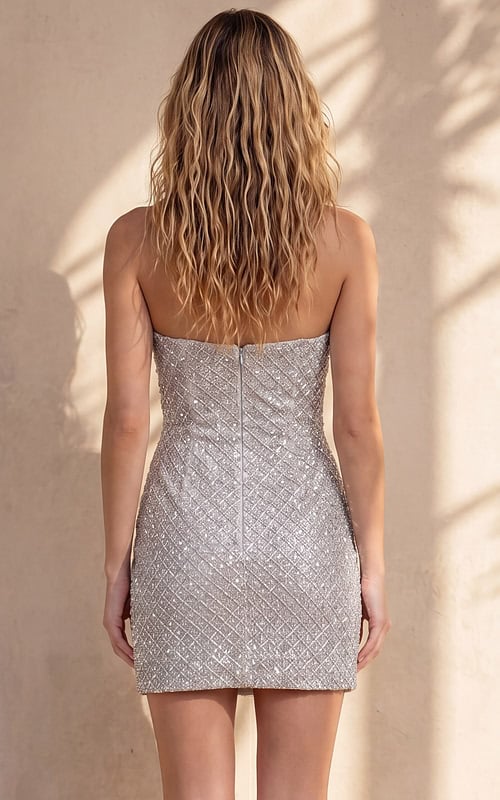
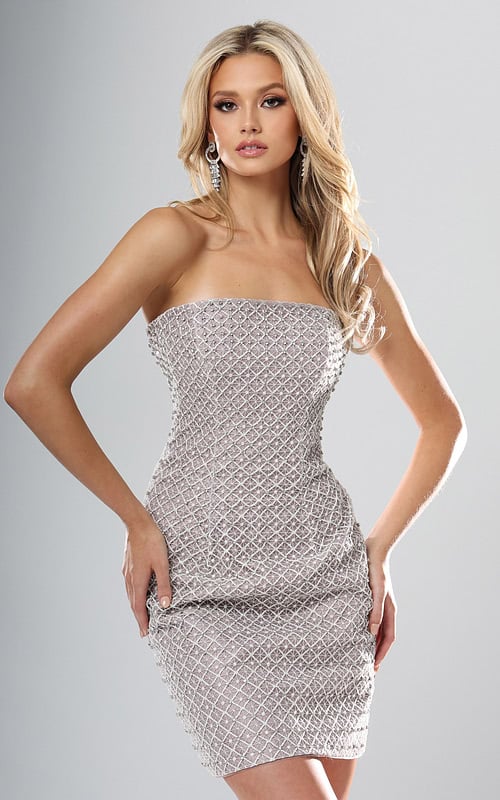
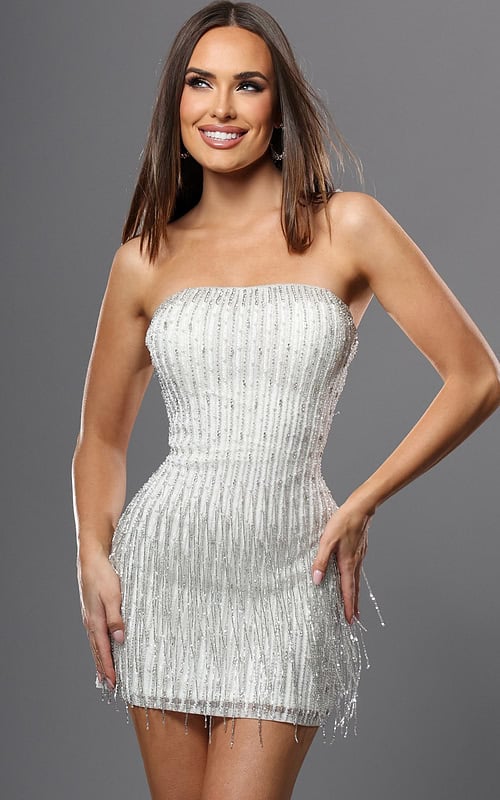
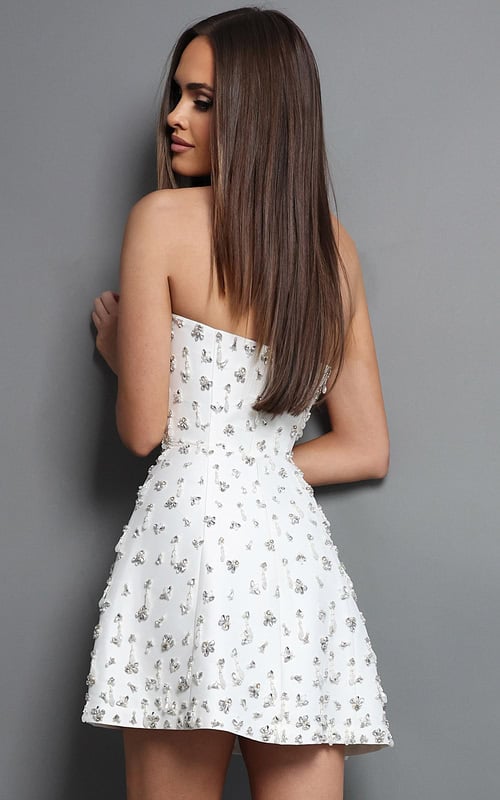
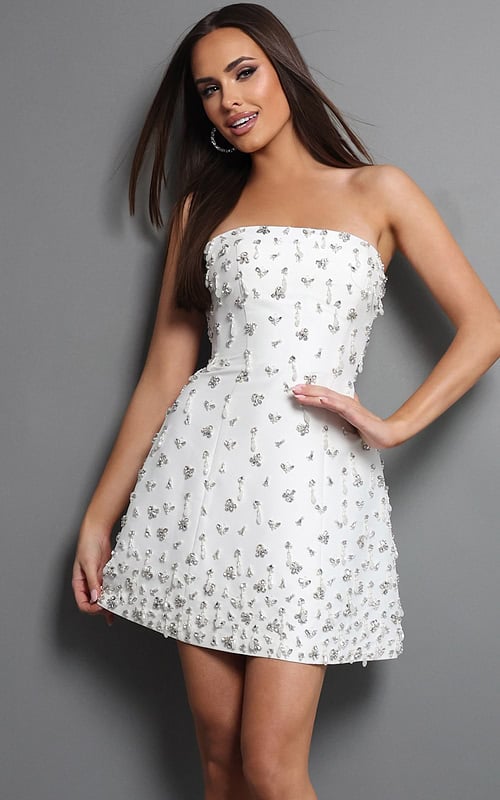
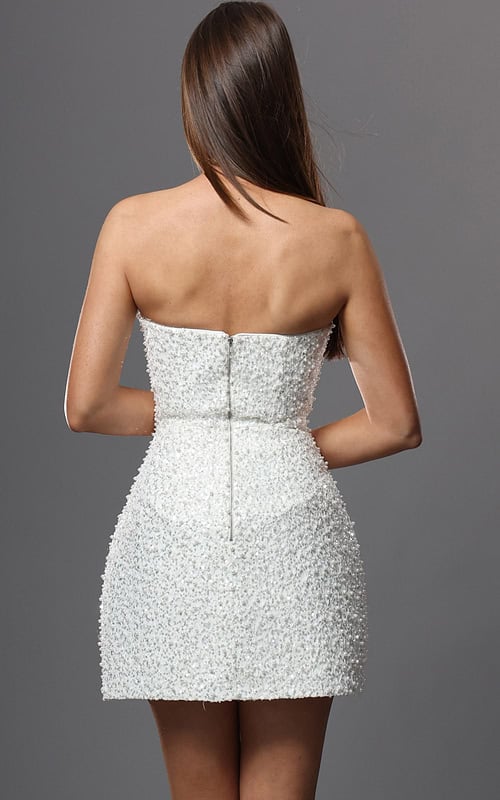
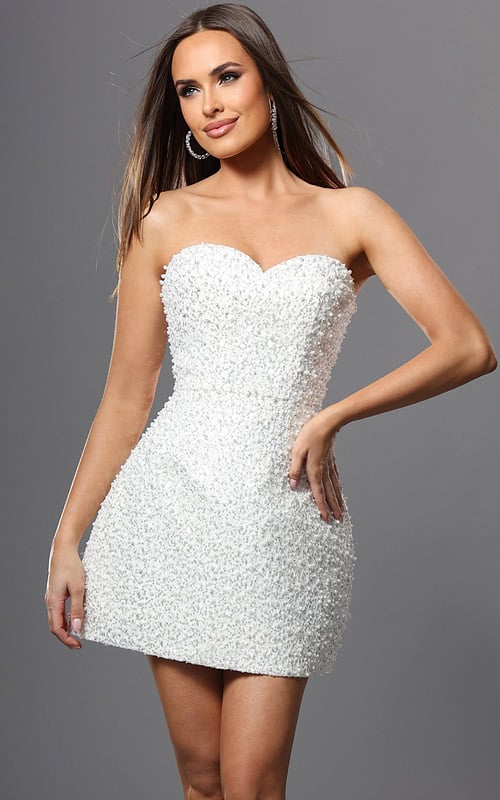
Neckline changes the proportion just as much. one shoulder short dresses create a diagonal line across the collarbone, while Strapless short and cocktail dresses place greater focus on the bodice and its internal support. Length should follow the setting rather than a rigid formula. cocktail dresses feel more youthful and directional, knee-length styles offer a polished middle ground, and midi designs bring a quieter sense of formality. A well-balanced short and cocktail dress can feel just as refined as a longer option when the fabric, fit, and construction work together.
Fit Starts with Structure
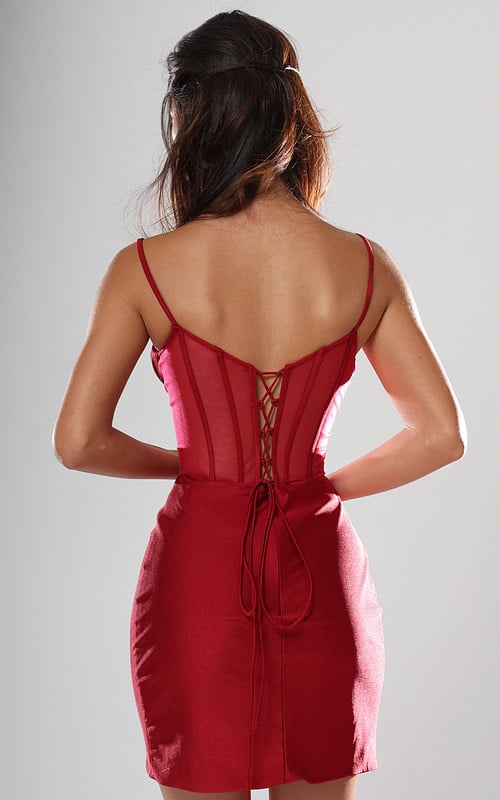
The strongest cocktail dresses are shaped from the inside out. Corset seaming, princess seams, discreet boning, shaped cups, and supportive linings help the bodice stay in place while keeping the overall silhouette clean. On fitted styles, seams should sit smoothly without pulling across the bust or hip. With fuller skirts, the waist should feel precise before the fabric begins to release.
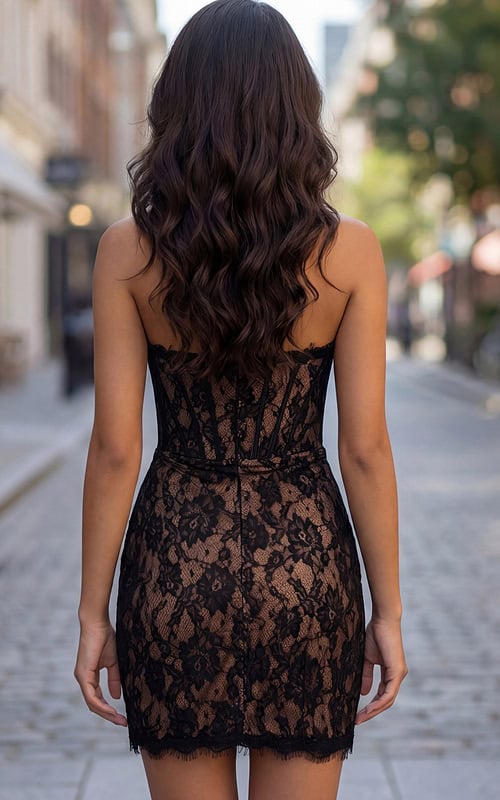
This becomes especially important in lace cocktail dresses, where the outer layer and lining need to move together. If the lining shifts or the lace buckles, the shape can lose its polish even when the fabric itself is beautiful. Jovani’s eveningwear construction expertise is particularly relevant in shorter silhouettes because every proportion is visible. A secure neckline, correctly positioned waist, balanced hem, and enough ease for walking or sitting all contribute to a more considered fit. The aim is not simply for a cocktail dress to feel tight, but for it to stay composed and comfortable throughout the event.
Fabrics That Change the Mood
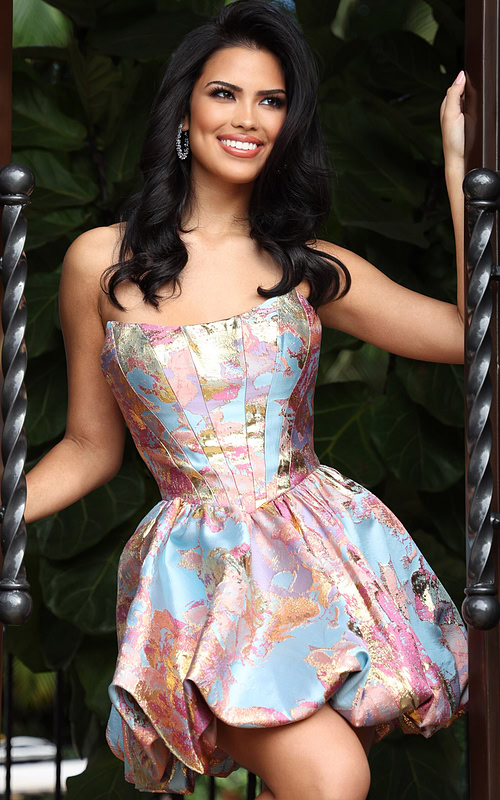
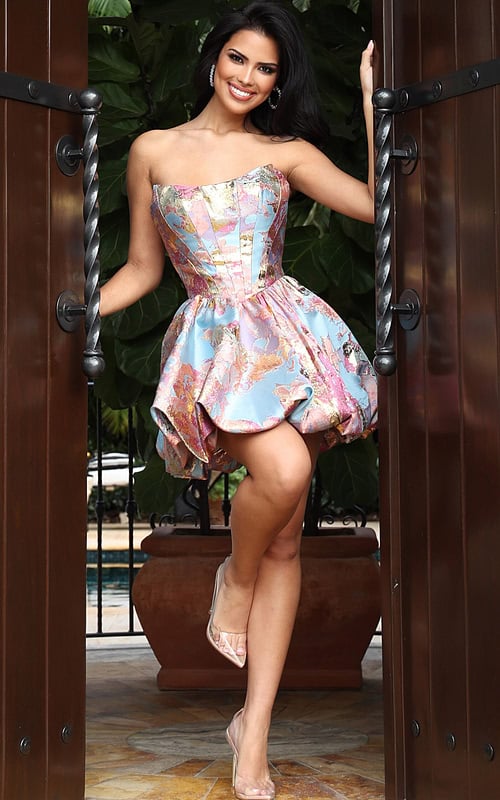
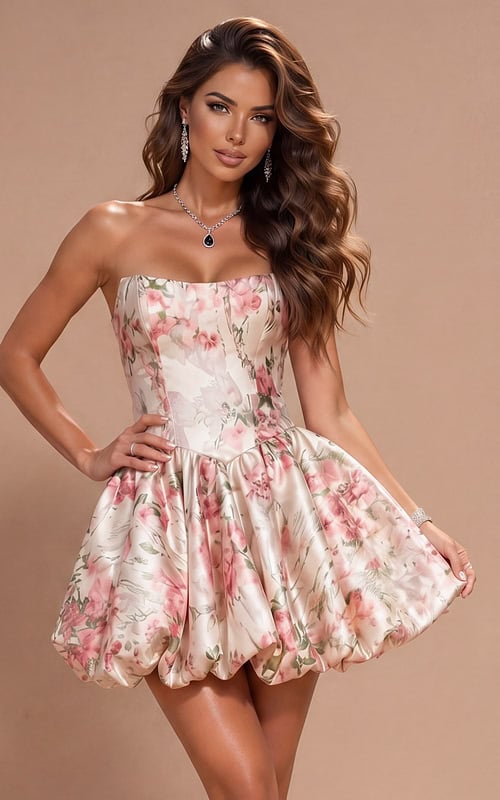
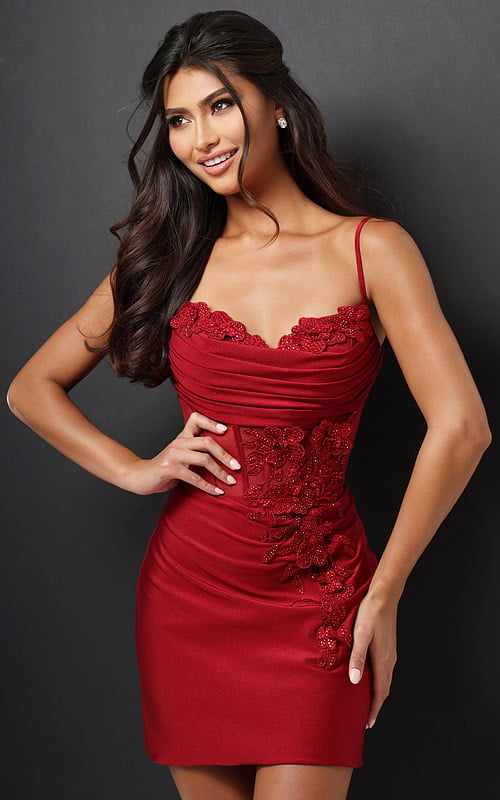
Fabric gives cocktail dresses much of their character. Satin creates a smooth, reflective surface and works particularly well with corseted, draped, or strapless shapes. Crepe feels quieter and more tailored, while jacquard and brocade bring depth through woven texture. Chiffon softens movement, and tulle can introduce volume without making a shorter skirt feel heavy.
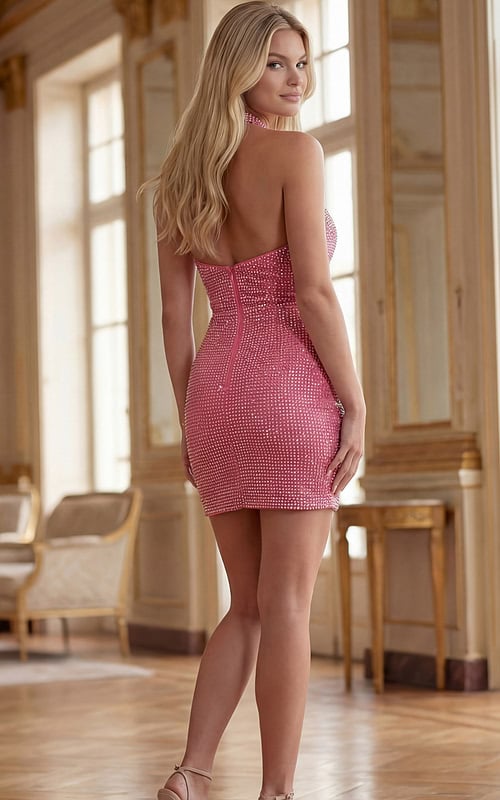
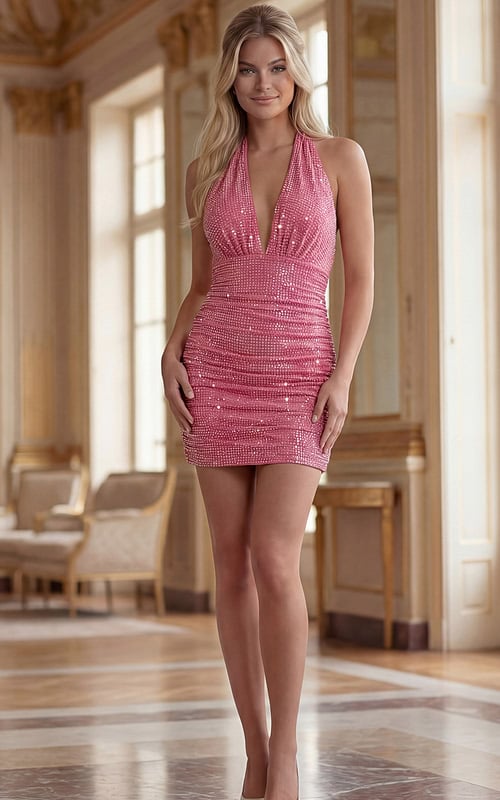
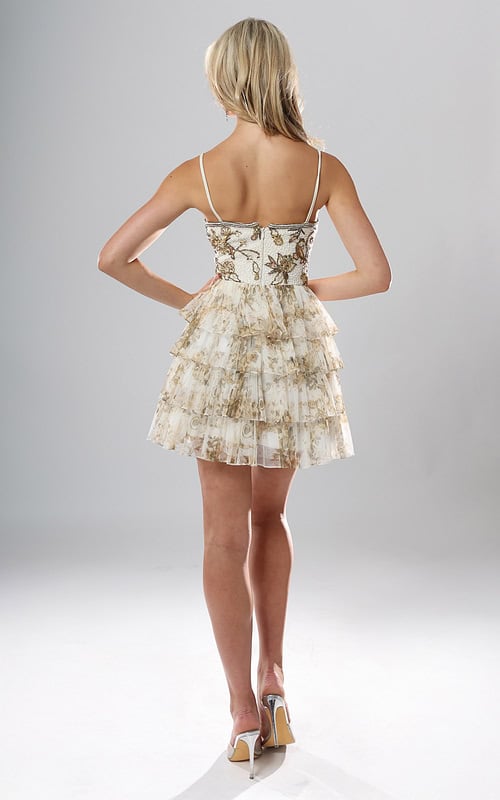
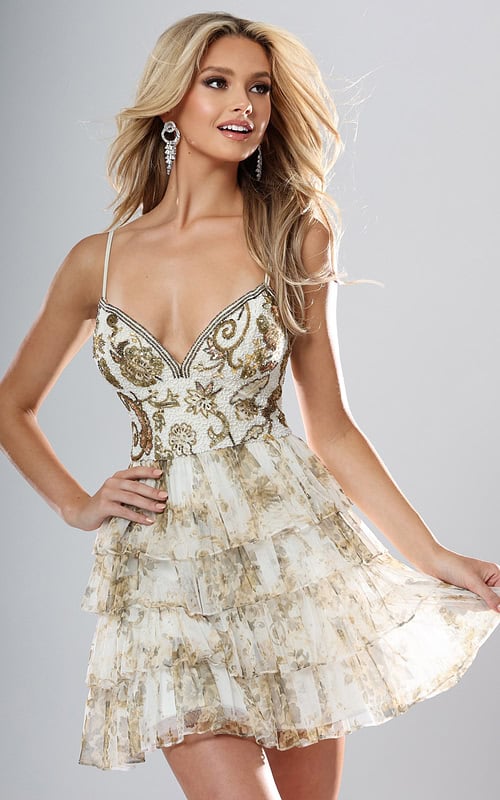
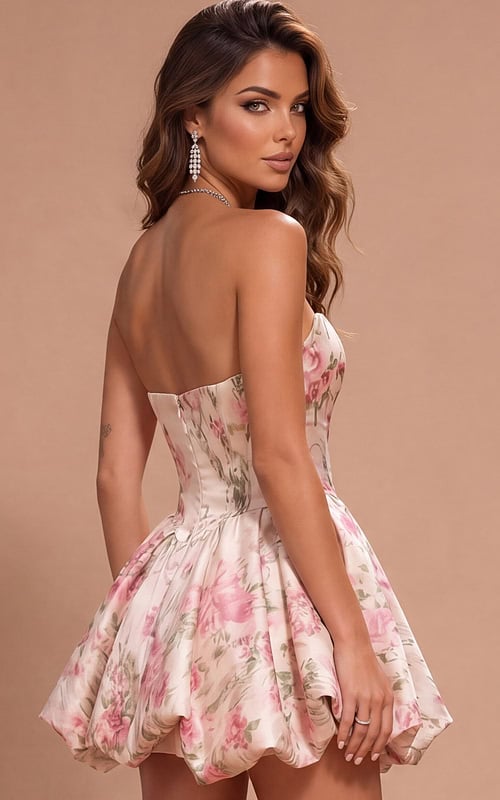
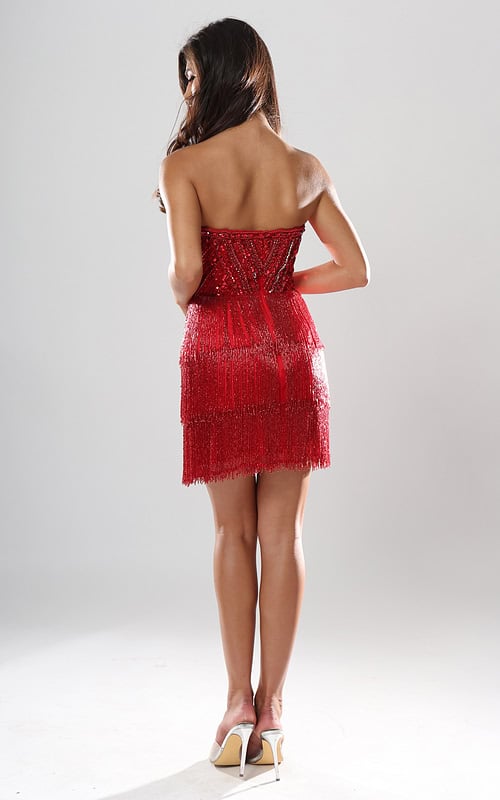
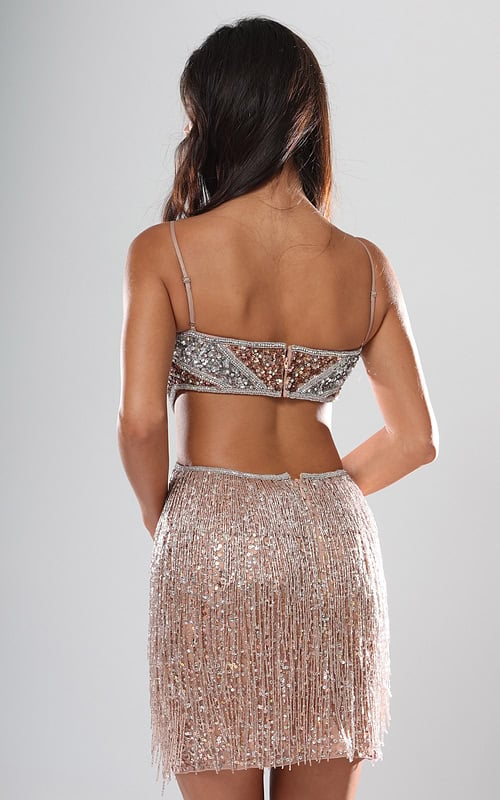
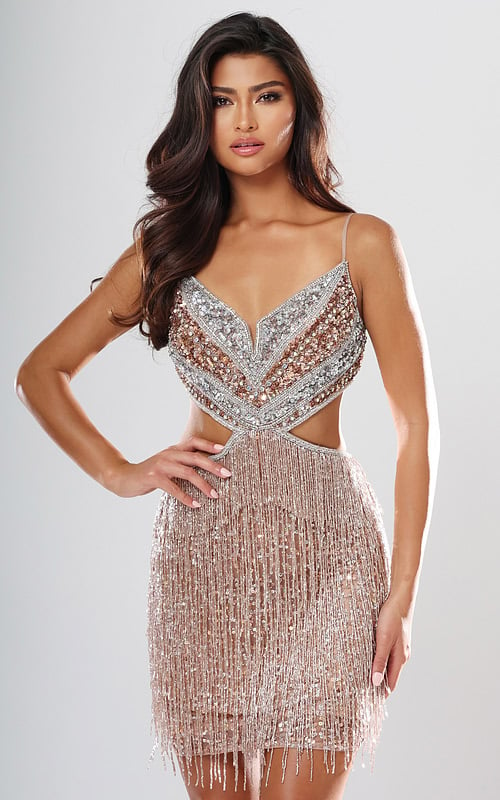
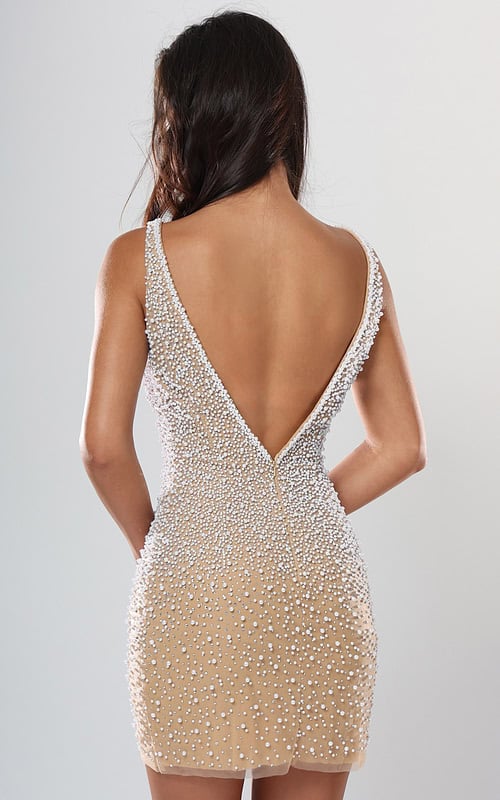
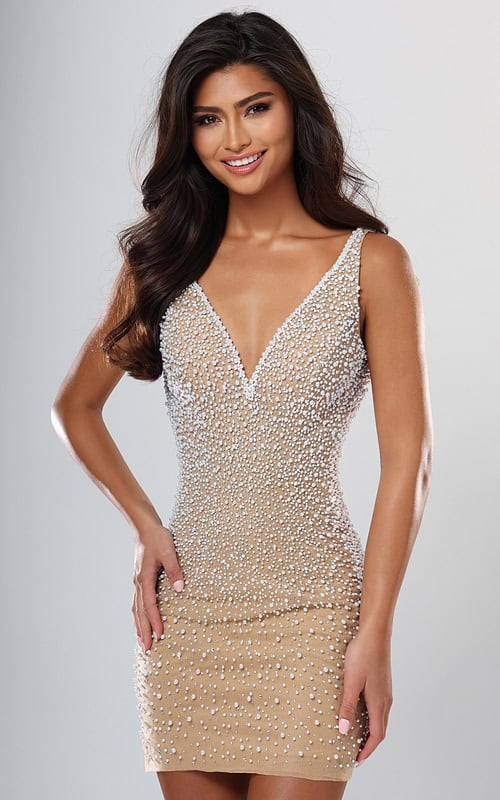
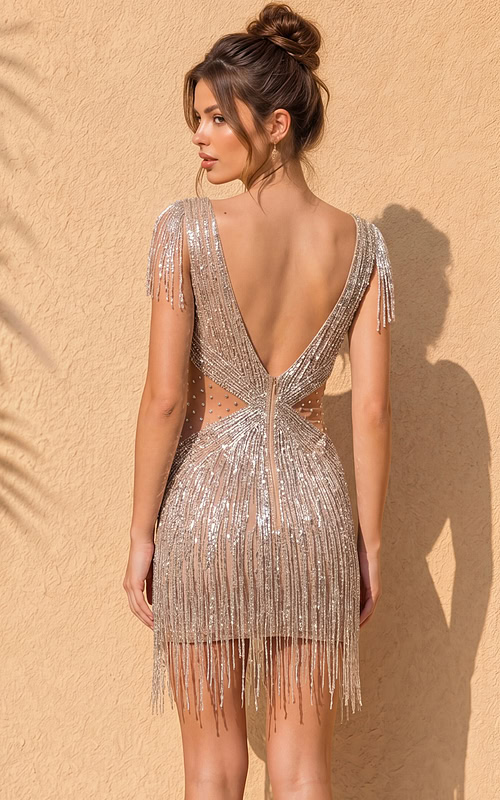
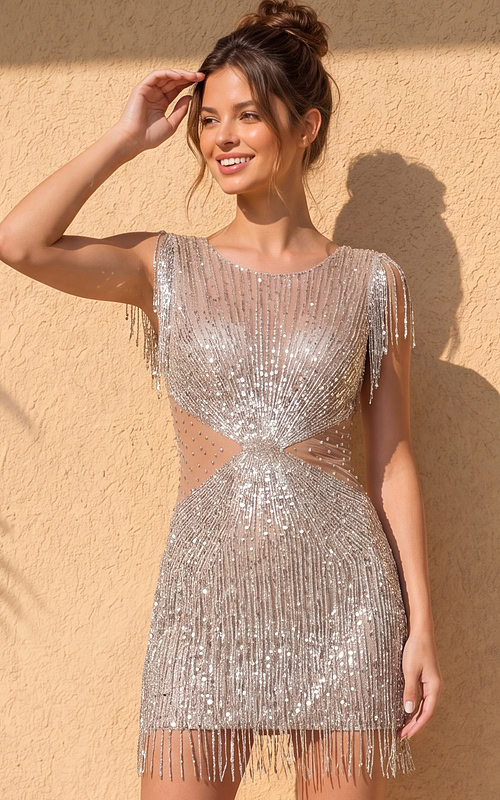
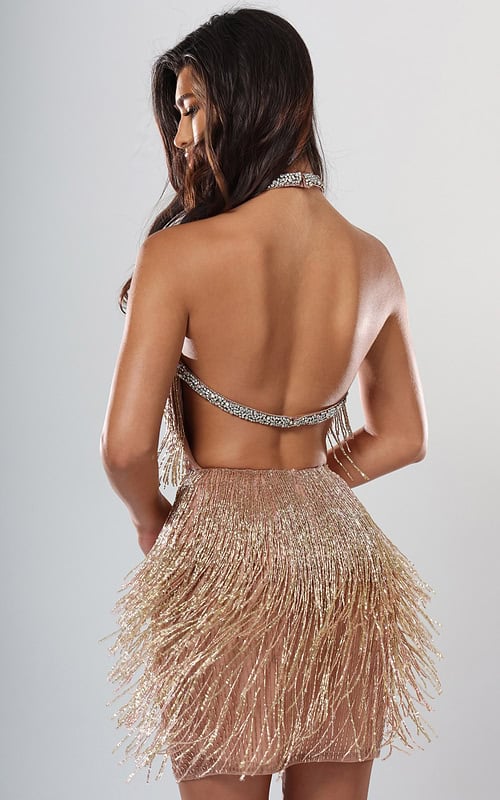
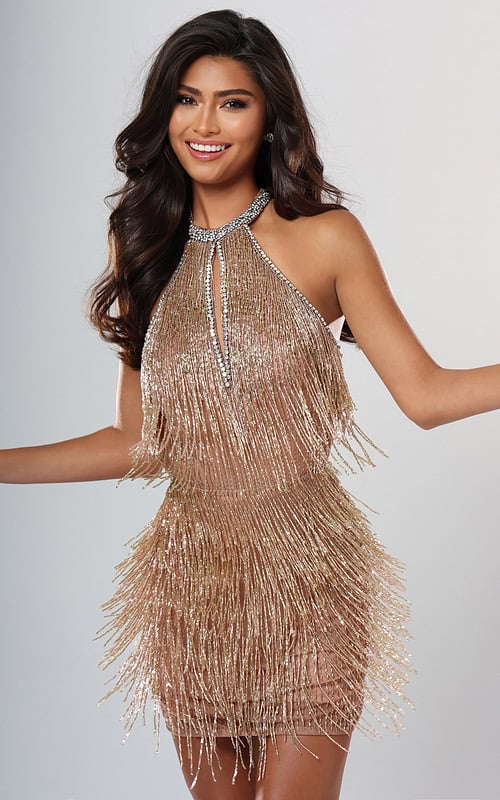
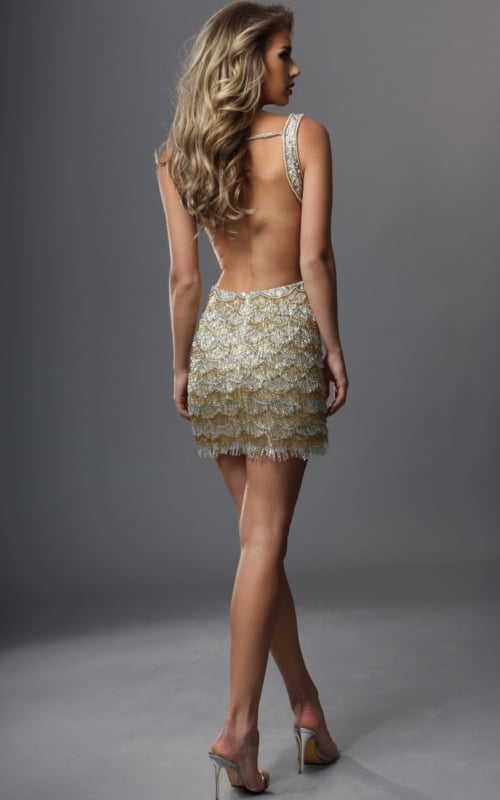
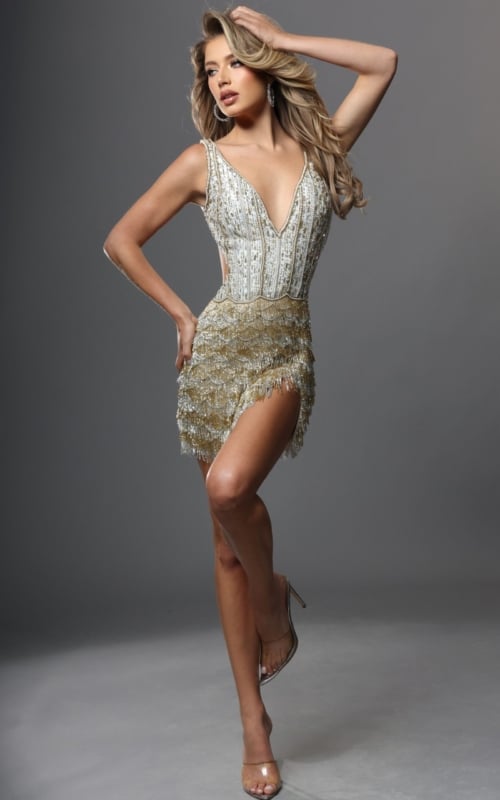
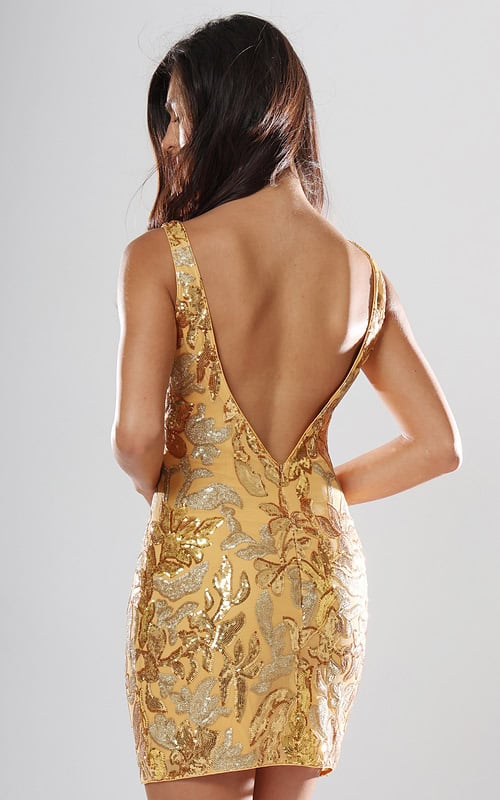
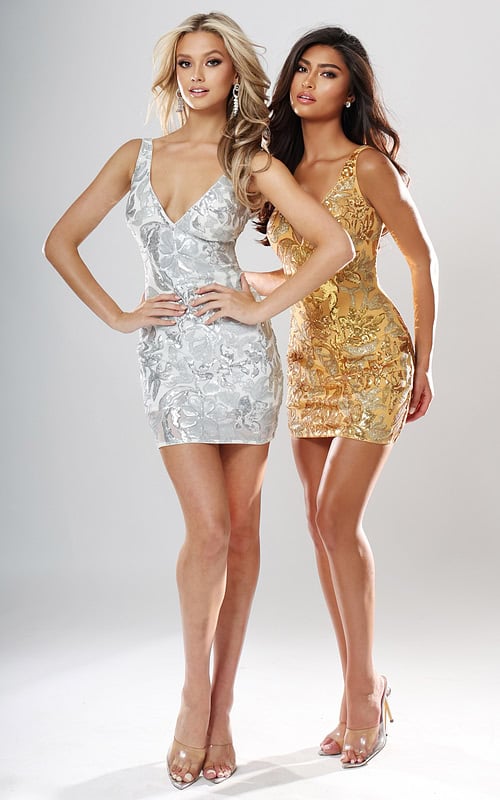
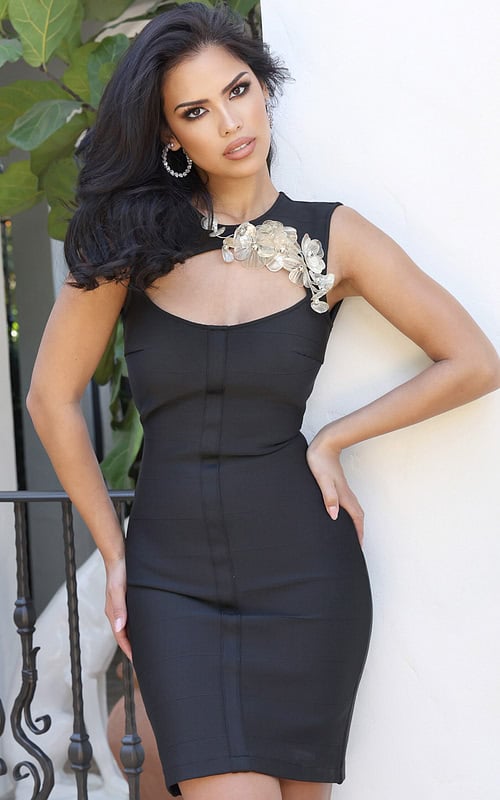
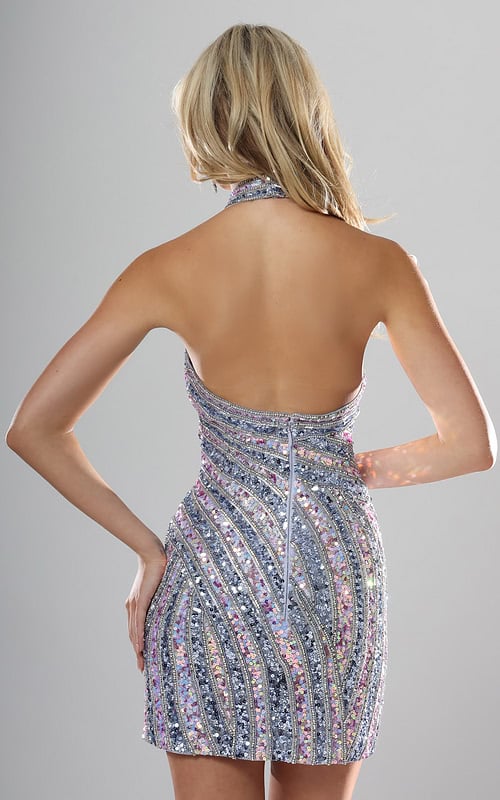
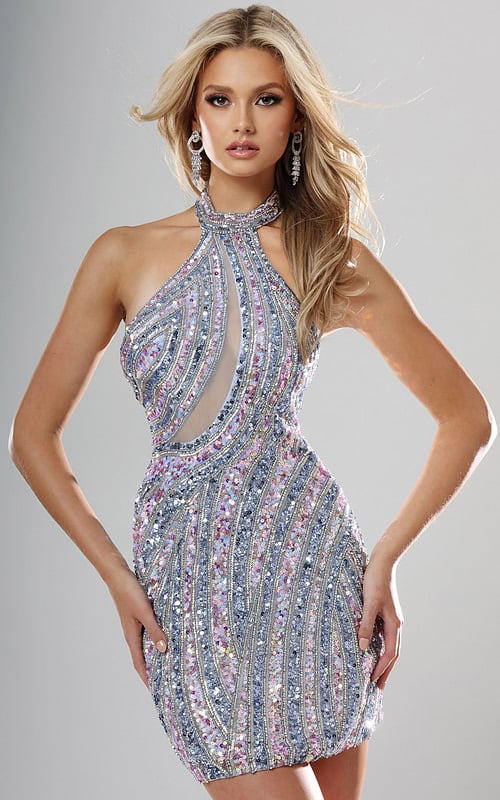
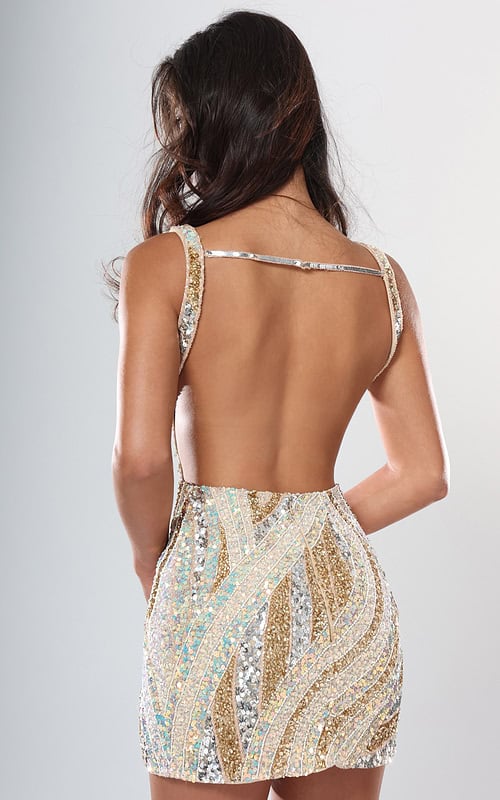
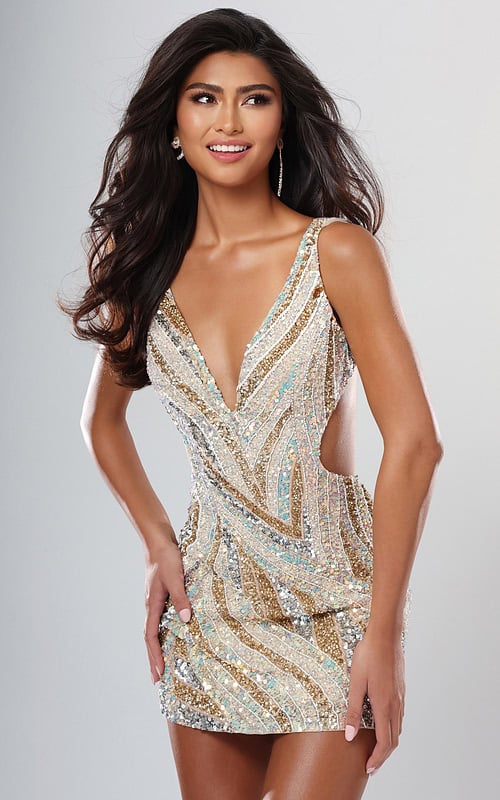
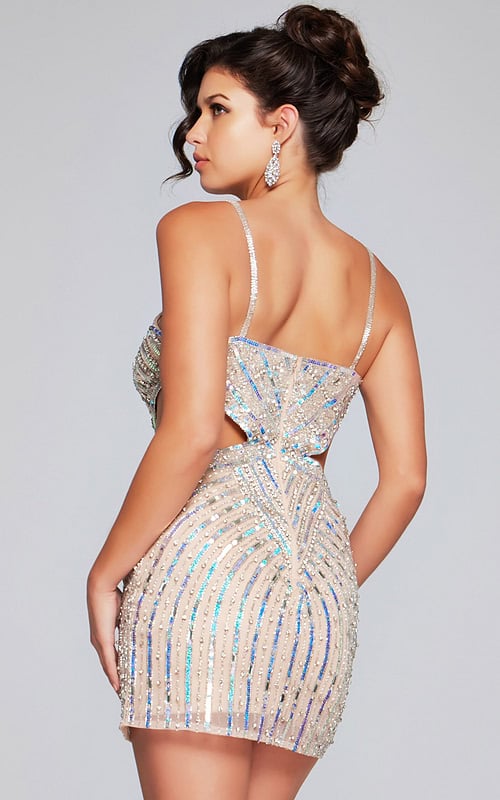
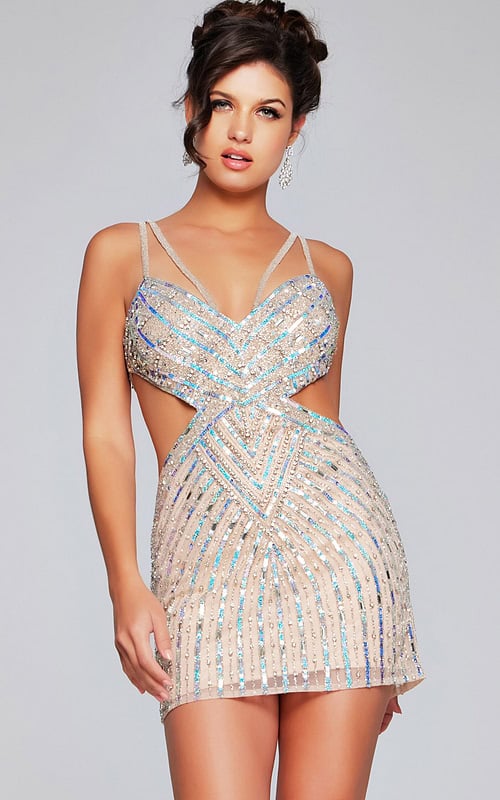
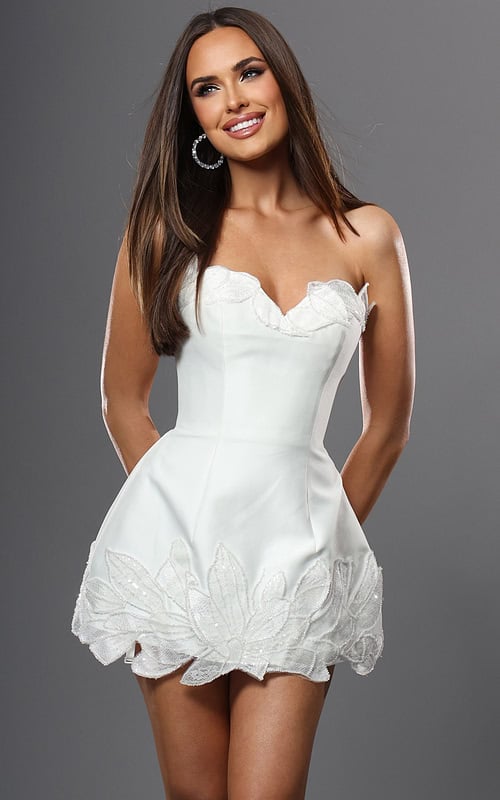
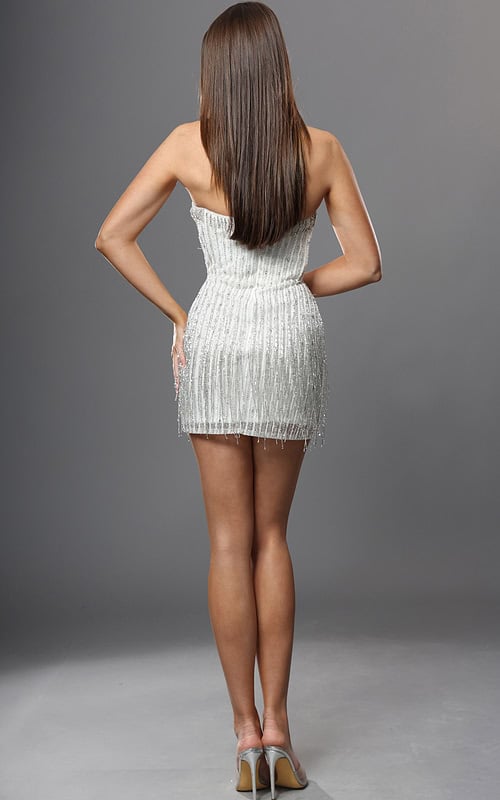
Surface detail changes the effect further. Sequins and beadwork suit evening settings, fringe creates movement, and dimensional flowers add texture without relying on all-over sparkle. floral cocktail dresses can range from printed satin to appliqué and jacquard, making them especially relevant for spring weddings, garden receptions, and daytime celebrations. Color also affects how formal a cocktail dress feels. Black, navy, burgundy, and jewel tones tend to feel grounded for evening, while blush, pale blue, yellow, and floral prints create a lighter impression. little black dresses show how dramatically the same color can change through fabric and cut, from minimal crepe and sleek satin to lace, beadwork, or sculpted tailoring.
Modern Short Styles and Design Details
Modern cocktail dresses are leaning toward strong details used with restraint. Corset-inspired bodices remain important, but the newer approach focuses more on shaping and support than exposed construction. Asymmetric necklines, diagonal draping, side ruching, and sculptural folds bring movement to compact silhouettes without making them overly ornate.
Bubble hems and softly tiered skirts continue to add controlled volume to mini lengths. Bows, rosettes, beaded straps, and fringe often appear as a single focal detail rather than competing across the entire design. Textured jacquard and floral appliqué offer another route to visual interest when heavy embellishment is not the goal. These details also overlap with current prom trends. Shorter cocktail dresses can offer an alternative to a floor-length gown for shoppers who still want structure, occasion-level fabric, and a defined silhouette. The strongest versions keep one feature in focus whether that is the neckline, skirt shape, texture, or embellishment so the overall design feels current without becoming overworked.
Choosing Cocktail Dresses for Weddings, Parties, and Prom
The occasion should help narrow the selection of cocktail dresses without turning the dress code into a rigid formula. For weddings and receptions, satin, lace, crepe, and jacquard work well across mini, knee-length, and midi proportions. A shorter hem can suit a contemporary venue or evening reception, while a midi often feels more appropriate for a traditional or slightly more formal setting. For birthday dinners, engagement parties, holiday events, and evening celebrations, cocktail dresses can take on more expressive details such as sequins, metallic finishes, fringe, bold color, or a sharper fitted silhouette. The same applies to prom, where a shorter cocktail dress can still have enough presence through corsetry, beadwork, sculpted satin, or dimensional floral details.
The most useful way to judge a style is to look at the relationship between fabric, silhouette, and setting. A structured satin mini may feel more polished than a longer dress in a casual material, while a simple midi can become significantly dressier through draping, texture, or an asymmetric neckline. The best short and cocktail dresses feel appropriate because the entire design works together, not because they follow one fixed rule about length.
Designer Cocktail Dresses: Construction and Rewear Value
Designer cocktail dresses should hold their intended shape well beyond the first fitting. Internal support helps a neckline stay in position, smooth linings keep the outer fabric controlled, and clean closures allow side and back seams to sit flat. Balanced embellishment matters too, particularly on beaded or appliqué styles where excess weight can distort a shorter silhouette. Fabric quality has an equally important effect on how a cocktail dress looks and wears. Satin should retain its drape, lace should lie smoothly over its lining, and structured materials should keep their shape while still allowing comfortable movement. These details are often what separate premium cocktail dresses from simpler party styles, especially after several hours of sitting, walking, and dancing.
Rewear value comes from choosing a design that can adapt to different settings. A fitted black style can move from a wedding reception to an evening dinner; a floral mini can return for spring and summer celebrations; an asymmetric satin design can feel different with simpler jewelry or a change of accessories. Jovani’s approach to cocktail dresses combines current proportions with the construction expected from designer eveningwear. When fit, fabric, support, and finishing work together, the dress feels relevant to the moment while retaining enough versatility to return for more than one event.

 Halter Cocktail Dresses